

Maddy summaryThe AI Workforce PREPARE Act requires the Department of Labor to collect and analyze data on how artificial intelligence affects jobs, including tracking AI adoption by employers and forecasting impacts on specific occupations. It establishes an AI Workforce Research Hub to lead this effort, mandates new survey questions about AI in the workplace, and requires employers to disclose when AI contributes to mass layoffs. The bill creates detailed employment forecasts for occupations most affected by AI, with prediction intervals showing uncertainty ranges, and aims to integrate this data into workforce training programs. These provisions are designed to help workers, employers, and policymakers prepare for AI-driven changes in the labor market.
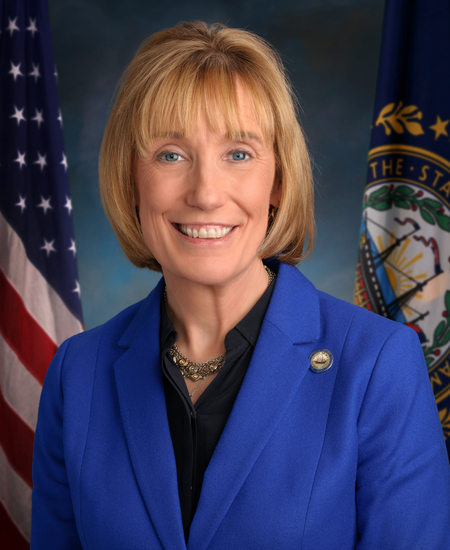
Sen. Margaret Wood Hassan
Sponsored bills
Maddy summaryThe FAIR Leave Act (S 3321) repeals a 12-month waiting period requirement under the Family and Medical Leave Act (FMLA) for spouses seeking leave. It directly affects spouses of employees covered by FMLA, removing a previous barrier to immediate eligibility. The key provision eliminates Section 102(f) of the FMLA, which had required spouses to work for 12 months before qualifying for leave. This change allows spouses to access FMLA leave from their first day of employment, without waiting for a year. The bill makes no other changes to FMLA provisions.
Maddy summaryThis bill increases disability compensation for veterans with service-connected disabilities and dependency and indemnity compensation for surviving spouses and children of deceased veterans, effective December 1, 2025. The increases will match the percentage rise in Social Security benefits for that year, as determined under the Social Security Act. It directly affects veterans receiving disability payments and surviving family members eligible for survivor benefits under current law. The adjustment ensures these benefits keep pace with inflation, as required by the Social Security cost-of-living adjustment formula.
Maddy summarySRES 513 is a non-binding Senate resolution designating November 22, 2025, as National Adoption Day and all of November 2025 as National Adoption Month. It aims to promote public awareness of adoption, particularly for children in foster care awaiting permanent families, and encourages Americans to support adoption efforts. The resolution directly affects the public, adoption agencies, and foster care systems by formally recognizing these dates for nationwide awareness campaigns. It does not create new laws or policies but seeks to highlight existing adoption opportunities and the need for stable homes for children.
Maddy summaryS 3267, the ASAP Act, would require Medicare to cover early detection screening tests for Alzheimer's disease and related dementias starting January 1, 2028. The bill defines these tests as FDA-cleared or approved blood, genomic, or imaging-based screenings for pre-symptomatic or early-stage detection. It directly affects Medicare beneficiaries aged 65+ who may be at risk for Alzheimer's, ensuring coverage for these specific tests once approved. The key provision adds these screenings to Medicare's payment system under Section 1833(h)(1)(A) of the Social Security Act.
Maddy summaryThe SIMSA Act of 2025 creates a new Schedule A for controlled substances under federal drug law. It defines Schedule A substances as those imported into the U.S. with chemical structures substantially similar to existing Schedule I-V substances and having similar effects on the central nervous system. The bill establishes procedures for the Attorney General to temporarily schedule substances for up to 5 years (with possible 180-day extensions), requiring consultation with the Secretary of Health and Human Services before permanent scheduling. It increases penalties for violations involving Schedule A substances, including prison terms up to 30 years for repeat offenses and higher fines, and requires specific labeling with IUPAC nomenclature for these substances.
Maddy summaryThis bill repeals sections 10101 through 10108 of the 2025 Farm Bill (Public Law 119-21) and restores the previous law that existed before those sections were enacted. It directly affects food security programs for American families and farmers by reverting to the prior provisions of the Farm Bill. The key mechanism is a simple repeal and restoration of pre-existing law, without creating new programs or altering current funding structures.
Maddy summaryThis bill extends and expands the Work Opportunity Tax Credit (WOTC), which helps employers hire from targeted groups like veterans, long-term welfare recipients, and individuals in high-unemployment areas. It extends the program through 2030 (from 2025), increases the credit rate to 50% for certain new hires (up from 40%), adds automatic annual inflation adjustments to key dollar amounts, and expands eligibility to include military spouses and people receiving SNAP benefits without an age limit. Employers hiring from these groups will see higher tax credits for qualifying wages, with new rules specifically for agricultural workers, summer youth employees, and veterans. The changes apply to workers hired after December 2025.
Maddy summaryThe Measuring Availability of Providers (MAP) for Veterans Act requires the Department of Veterans Affairs to study whether establishing full-service VA hospitals in Alaska, Hawaii, and New Hampshire is feasible, with results to be published online within one year. It also amends the law to ensure veterans in these states retain access to the Veterans Community Care Program without interruption if a new VA hospital is built. The amendment specifies that this continued access applies as of the bill's enactment date, preventing gaps in care during transitions. The bill focuses on planning for potential VA facility expansion and maintaining current healthcare access for veterans in those states.
Maddy summaryThis bill creates new Medicare grants to support rural hospitals and clinics. It provides funds for critical access hospitals to convert to rural emergency hospitals, expands eligibility for graduate medical education support to more rural hospitals (including sole community hospitals and those within 10 miles of them), and requires State Offices of Rural Health to offer technical assistance. The grants cover costs like staff training, software, and quality improvement programs. These changes directly affect critical access hospitals, rural health clinics, rural emergency hospitals, and other rural providers struggling with staffing and services.