

Maddy summaryThe Roadless Area Conservation Act of 2025 would maintain existing protections for designated roadless areas within the National Forest System by prohibiting new road construction, reconstruction, or logging in those areas. It directly affects National Forest lands managed by the U.S. Department of Agriculture’s Forest Service, where the Roadless Rule already restricts such activities. The bill’s key mechanism requires the Secretary of Agriculture to enforce these current restrictions without adding new limitations. This policy change preserves existing protections for watersheds, wildlife habitats, recreation opportunities, and culturally significant sites within these roadless areas.
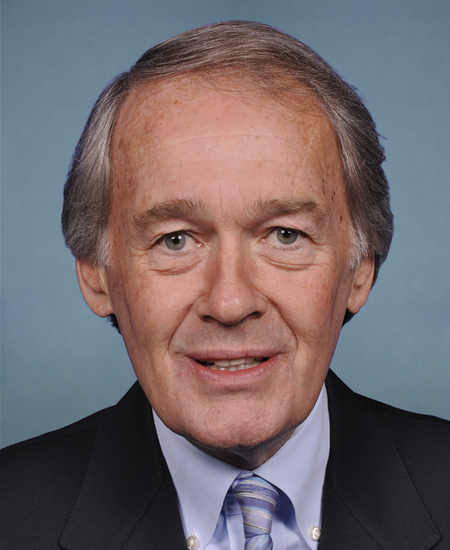
Sen. Edward J. Markey
Sponsored bills
Maddy summaryThis bill authorizes U.S. sanctions against foreign entities and individuals engaging in activities that worsen climate change or harm the environment. It targets specific actions including: building inefficient fossil fuel infrastructure that undermines climate goals, illegal deforestation (especially in the Amazon), misleading environmental claims, and violence against environmental defenders. Sanctions would include visa bans, asset freezes in U.S. accounts, and other penalties under existing Global Magnitsky frameworks. The law applies only to foreign actors, not U.S. citizens or companies, and requires evidence of intentional or reckless conduct.
Maddy summaryThis resolution (SRES 511) is a symbolic Senate measure supporting Transgender Day of Remembrance. It recognizes the epidemic of violence against transgender people in the U.S., specifically memorializing 27 transgender or gender nonconforming individuals killed between October 2024 and September 2025. The resolution emphasizes the disproportionate impact of violence on transgender women of color and calls for addressing this crisis, though it does not create new laws or policies. It directly affects the transgender community by affirming their lives and safety as a national priority.
Maddy summaryThis bill creates a grant program to help family caregivers of older adults or individuals with disabilities. It provides funds to states, nonprofits, tribes, or senior centers to develop integrated services offering both respite care (temporary relief from caregiving) and additional support services in the same location. The program requires services to be accessible through translation, assistive technology, and multiple formats, including American Sign Language. It directly affects family caregivers, including older relatives (age 55+) caring for children or disabled individuals, who are not professional caregivers.
Maddy summaryThis bill amends the Older Americans Act to integrate "food is medicine" programs into existing nutrition services for older adults. It adds specific references to produce prescriptions, medically tailored meals, and community-based food programs in eligibility screening, caregiver support, and nutrition counseling. The key change requires programs to include referrals to these food-based interventions as part of standard service delivery. This directly affects older Americans receiving nutrition services under the Older Americans Act by expanding available support options through existing federal and community programs.
Maddy summaryThis bill creates a new federal grant program to fund peer support services for family caregivers under the Older Americans Act. It provides $10 million annually (2026-2030) to states, nonprofits, tribes, and community organizations to develop in-person and virtual programs where trained caregivers help others navigate systems, share emotional support, and access resources. The program specifically prioritizes underserved groups including low-income communities, immigrants, LGBTQ+ caregivers, young caregivers under 35, and those with disabilities. Funds can also support workforce training for peer specialists and language access services like translation for non-English speakers or American Sign Language users.
Maddy summaryThis bill amends fee structures under the Food Safety Modernization Act (FSMA) for food facilities and importers. It establishes a $15,000 base fee for 2026 and subsequent years (adjusted annually), provides a 1/3 fee reduction for qualifying small businesses (defined as facilities with <500 employees or importers meeting specific sales thresholds), and clarifies that fees fund facility oversight and the Voluntary Qualified Importer Program. The bill also increases funding caps for oversight activities and updates definitions to reduce ambiguity. It directly affects domestic/foreign food facilities, human/animal food importers, and small businesses meeting the defined criteria.
Maddy summaryThis bill establishes a pilot program under the Older Americans Act to support family caregivers of people with Alzheimer's disease or related disorders. It provides grants to qualified entities like area agencies on aging or tribal organizations to offer integrated health services - such as cognitive screenings, support groups, and care consultations - at the same location for both caregivers and individuals with Alzheimer's. The program requires data collection on health indicators (like stress levels and physical health) and healthcare payment patterns to evaluate outcomes. It directly affects family caregivers and their care recipients, aiming to improve their health through coordinated, accessible support services.
Maddy summaryThis bill prohibits child welfare agencies receiving federal funding from discriminating against children, youth, or prospective foster and adoptive parents based on religion, sex (including sexual orientation and gender identity), or marital status. It requires agencies to collect data on sexual orientation and gender identity of children in foster care and their prospective parents, and establishes a National Resource Center to improve services for LGBTQ youth. The bill also provides a private right to sue for individuals who experience discrimination and mandates cultural competency training for agency staff. It affects all state child welfare systems receiving federal funds, requiring compliance within one year of enactment. The legislation specifically aims to address the overrepresentation of LGBTQ youth in foster care and improve outcomes for this population.
Maddy summaryThis bill repeals sections 10101 through 10108 of the 2025 Farm Bill (Public Law 119-21) and restores the previous law that existed before those sections were enacted. It directly affects food security programs for American families and farmers by reverting to the prior provisions of the Farm Bill. The key mechanism is a simple repeal and restoration of pre-existing law, without creating new programs or altering current funding structures.