

Maddy summaryThis bill (SJRES 72) seeks congressional disapproval of a Securities and Exchange Commission (SEC) rule requiring companies to standardize climate-related financial disclosures for investors. If passed, it would block the SEC’s rule (published March 28, 2024) from taking effect, directly affecting public companies subject to SEC reporting requirements. The resolution uses a specific legal process under Title 5, U.S. Code, to invalidate the rule without altering its content. It does not create new regulations but halts the implementation of the SEC’s existing climate disclosure proposal.
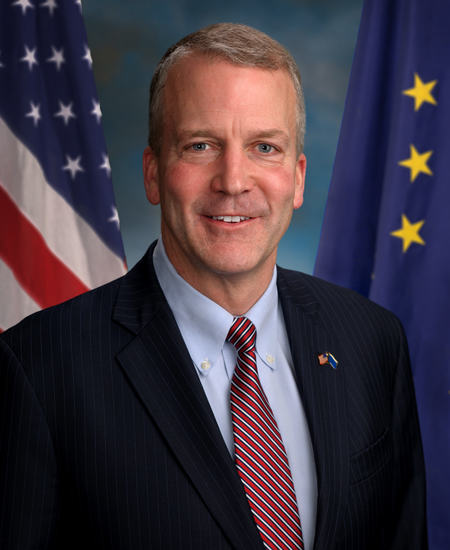
Sen. Dan Sullivan
Sponsored bills
Maddy summaryThis bill authorizes the U.S. Treasury to mint and sell commemorative coins honoring the 2026 FIFA World Cup, which will be hosted by the U.S., Mexico, and Canada. It specifies three coin types: $5 gold coins (max 100,000), $1 silver coins (max 500,000), and half-dollar coins (max 750,000), all with designs reflecting soccer and the World Cup. A surcharge is added to each coin sale ($35 for $5 coins, $10 for $1 coins, $5 for half-dollars), with all surcharge revenue going directly to FWC2026 US, Inc. to fund U.S. soccer programs, particularly youth initiatives and underserved communities. The coins may only be sold during 2026 and must cover all costs to avoid government expense.
Maddy summaryThe Affordable Housing Credit Improvement Act of 2023 updates the federal Low-Income Housing Tax Credit program to create more affordable housing options. Key provisions include increasing state funding allocations through revised per capita and minimum amount calculations, modifying tenant eligibility rules to better protect vulnerable populations (including domestic violence victims), and expanding the program's reach to Native American communities and rural areas. The bill also changes the program's name from "Low-income Housing Credit" to "Affordable Housing Credit" and makes administrative improvements to enhance transparency and accountability. These changes aim to make it easier for developers to create and maintain affordable housing units for low- and moderate-income households.
Maddy summarySJRES 61 is a joint resolution seeking congressional disapproval of a Federal Highway Administration rule that established performance measures for the National Highway System, including a requirement to track greenhouse gas emissions from highway activities. The rule, published in December 2023, would have mandated that states and federal agencies assess highway performance using this emissions metric. If enacted, the resolution would block the rule from taking effect, preventing the implementation of the emissions tracking measure. This action is pursued under the Congressional Review Act, which allows Congress to reject federal regulations with a simple majority vote.
Maddy summarySRES 641 designates the week of April 7-13, 2024, as "National Water Week" to highlight the importance of clean water access and infrastructure. This symbolic resolution does not create new laws, allocate funds, or impose obligations - it serves as a commemorative observance. The resolution references ongoing challenges like aging water systems and lack of access in underserved communities but does not enact policy changes. It is a non-binding gesture to raise awareness, consistent with similar commemorative resolutions.
Maddy summaryThis bill redefines "private duty nursing services" under Medicaid as "continuous skilled nursing services" for complex-care patients requiring over 2 hours of daily nursing care. It mandates that such services must be provided by licensed nurses (registered or practical) and requires states to update Medicaid programs to reflect this change within 18 months. The bill also establishes a working group to develop national quality standards for these services, which must be published within one year, and updates Medicaid waiver services and quality measures to include these standards. These changes directly affect Medicaid beneficiaries receiving complex nursing care and state Medicaid programs administering these services.
Maddy summarySJRES 71 is a congressional resolution seeking to block an Environmental Protection Agency (EPA) rule that set emissions standards for the oil and natural gas sector. It directly targets the EPA's "Standards of Performance for New, Reconstructed, and Modified Sources" rule, which was published in the Federal Register on March 8, 2024. The resolution uses a specific disapproval process under federal law to declare the EPA rule "shall have no force or effect." This is a procedural action to overturn an existing regulation, not a new policy.
Maddy summaryThe FEND Off Fentanyl Act authorizes sanctions against foreign individuals and entities involved in trafficking fentanyl and its precursors into the United States, with specific focus on transnational criminal organizations like Mexican cartels and the flow of precursor chemicals from China. It requires the President to submit annual reports to Congress on actions taken under the law and designates fentanyl-related transactions as a primary money laundering concern for financial institutions. The bill also repeals a prohibition on imposing sanctions related to importation of goods under previous fentanyl sanctions law. It aims to increase financial costs for traffickers by blocking assets and prohibiting transactions involving sanctioned persons.
Maddy summaryThis bill amends the North Pacific Research Board's structure and funding rules. It adds a new board member position representing Alaska Natives with subsistence experience, requiring nomination by the Board and appointment by the Secretary. The bill removes a previous 15% cap on administrative funding for the Board, allowing all funds to support research and grants, but mandates that by 5 years after enactment, no more than 15% of funds can cover Board support and grant administration. The changes aim to increase research funding focus and ensure high-quality grant management.
Maddy summarySRES 597 is a Senate resolution recognizing the heritage, culture, and contributions of American Indian, Alaska Native, and Native Hawaiian women. It formally celebrates their historical and ongoing achievements in fields like military service, business ownership, healthcare, science, arts, and civil rights, without creating new laws or policies. The resolution highlights specific examples, such as their roles in the military (including veterans and pioneers like Minnie Spotted Wolf), economic contributions (e.g., over 160,000 businesses owned by Native women), and cultural preservation efforts. As a symbolic gesture, it does not provide funding or mandate action but aims to honor these women's impact on U.S. society.