

Maddy summaryHR 4244 prohibits Medicaid from covering conversion therapy, defined as any paid practice attempting to change a person's sexual orientation or gender identity. This applies to all Medicaid enrollees and providers starting in the first quarter after the law takes effect. The bill explicitly excludes supportive services like gender transition assistance or counseling focused on acceptance and coping. It directly affects Medicaid-funded healthcare providers who offer conversion therapy and enrollees who might otherwise access such services through Medicaid.
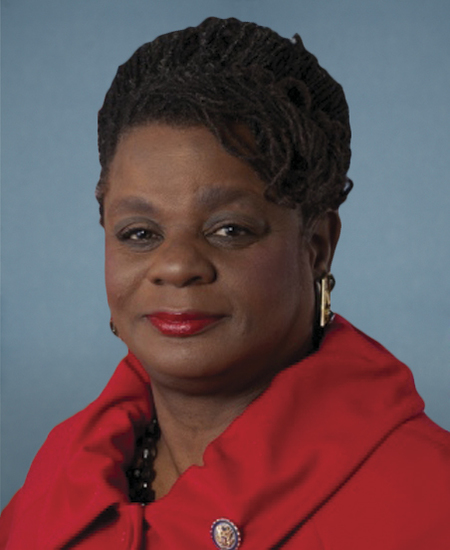
Rep. Gwen Moore
Sponsored bills
Maddy summaryThe GLOBE Act of 2025 aims to advance global LGBTQI human rights by requiring the U.S. State Department to document and report on violence and discrimination against LGBTQI people worldwide. It establishes a permanent Special Envoy for LGBTQI rights at the State Department and creates an interagency group to coordinate U.S. government responses to threats against LGBTQI populations. The bill authorizes sanctions against foreign individuals responsible for human rights violations against LGBTQI people, including banning them from entering the United States. It also includes provisions to improve U.S. foreign assistance programs to better protect LGBTQI rights and makes changes to immigration policy to better protect LGBTQI asylum seekers.
Treat and Reduce Obesity Act of 2025 This bill expands Medicare coverage of intensive behavioral therapy for obesity. Specifically, the bill allows coverage for therapy that is provided by (1) a physician who is not a primary care physician; or (2) other health care providers (e.g., physician assistants and nurse practitioners) and approved counseling programs, if provided upon a referral from, and in coordination with, a physician or primary care practitioner. Currently, such therapy is covered only if provided by a primary care practitioner. The bill also allows coverage under Medicare's prescription drug benefit of drugs used for the treatment of obesity or for weight loss management for individuals who are overweight.
Maddy summaryThis resolution (HRES 549) is a non-binding House measure expressing support for designating June 26 as "LGBTQI+ Equality Day." It commemorates three landmark Supreme Court rulings on June 26 (2003, 2013, and 2015) that ended criminalization of same-sex intimacy, struck down marriage discrimination, and established marriage equality. The resolution encourages public celebration of this day to honor these milestones and educate about ongoing discrimination faced by LGBTQI+ communities. It also acknowledges the need for future legislation to address discrimination in areas like employment, housing, and public accommodations. As a symbolic resolution, it does not create new legal requirements but formally recognizes these historical court decisions.
Maddy summaryThe CONNECT for Health Act of 2025 expands Medicare telehealth coverage by removing geographic restrictions that limited where patients could receive care, expanding the types of health care providers who can offer telehealth services, and eliminating the requirement for an in-person visit before receiving telemental health services. The bill includes specific provisions to support telehealth use for Native American health facilities, rural health clinics, and Federally Qualified Health Centers. It requires the Centers for Medicare & Medicaid Services to collect and publish data on telehealth usage and impacts, and to develop resources to improve accessibility for people with disabilities and limited English proficiency. Program integrity measures are added to monitor telehealth billing practices and prevent fraud while maintaining coverage for telehealth services during public health emergencies.
Maddy summaryThe Equal Dignity for Married Taxpayers Act amends the Internal Revenue Code to replace gendered terms like "husband and wife" with gender-neutral language such as "married couple" or "spouses" throughout tax law. This bill affects all married couples filing federal taxes by making the tax code consistent for all married couples regardless of gender. It makes over 30 specific changes to tax code sections, including replacing "his spouse" with "the individual's spouse" and updating references to marital status. The bill does not alter tax rates, deductions, or credits - it only updates language to be more inclusive. This is a technical language update to ensure the tax code treats all married couples equally without gendered references.
Maddy summaryThe PRIDE Act of 2025 updates the Internal Revenue Code by replacing gender-specific terms like "husband and wife" with gender-neutral terms such as "married couple" or "spouse" across over 30 tax code provisions. This change affects all married couples filing federal taxes and the IRS, as it modernizes tax law language to be inclusive of all married individuals regardless of gender. The bill makes specific textual amendments to sections dealing with filing status, deductions, credits, and estate tax provisions without creating new tax benefits. It ensures tax law language does not assume the gender of spouses, making the tax code more equitable for all married couples. This is a language update to existing tax law, not a change in tax policy or benefits.
Maddy summaryThis bill retroactively applies the Indian Reorganization Act (IRA) to the Poarch Band of Creek Indians as of June 18, 1934, clarifying their federal jurisdiction status under existing law. It directly affects the Poarch Band by confirming all lands previously taken into trust by the U.S. for their benefit as valid trust lands. The key provision reaffirms the Secretary of the Interior's past actions in placing these lands into trust under the IRA, making those decisions legally final. This provides legal clarity for the tribe's land holdings and governance under federal law.
Maddy summaryHR 4150, the Advancing Maternal Health Equity Under Medicaid Act, increases federal Medicaid funding for states that expand maternal health services. It requires states to spend more on specific maternal care (like prenatal/postpartum visits, telehealth, home visits, and mental health support) than they did in 2019, with the federal government covering 90% of the additional cost starting in 2025. The bill directly affects pregnant and postpartum individuals covered by Medicaid by expanding access to defined maternal health services. States must use the extra funds to improve service quality and capacity without reducing existing state funding for these services.
Maddy summaryThe Women's Health Protection Act of 2025 would protect access to abortion services across the United States by prohibiting states from imposing restrictions that are more burdensome than those on comparable medical procedures. The bill directly affects people seeking abortion care and health care providers by banning restrictions such as mandatory in-person visits, requirements for specific tests, limitations on telemedicine, and rules based on a patient's reason for seeking abortion. It prohibits state laws that single out abortion for unnecessary restrictions while allowing post-viability abortions when necessary to protect a patient's life or health. The bill preempts conflicting state laws and provides enforcement mechanisms through private lawsuits and actions by the Attorney General.