

This joint resolution nullifies the final rule issued by the Animal and Plant Health Inspection Service (APHIS) titled Importation of Fresh Beef From Paraguay and published on November 14, 2023. The final rule allows for the importation of fresh (chilled or frozen) beef from Paraguay into the United States under certain conditions. The United States prohibits or restricts the importation of certain animals and animal products to prevent the introduction of various animal diseases, including foot-and-mouth disease (FMD). In response to a request from Paraguay to allow the importation of fresh beef from Paraguay into the United States, APHIS conducted a risk analysis. APHIS concluded that fresh beef could be safely imported from Paraguay, provided that certain conditions are met. These conditions include that (1) FMD has not been diagnosed in the exporting region within the previous 12 months; (2) the meat originated from premises where FMD has not been present during the lifetime of any bovines slaughtered for U.S. meat export; and (3) APHIS may periodically conduct on-site evaluations and subsequent inspections of the slaughter facilities, records, and operations.
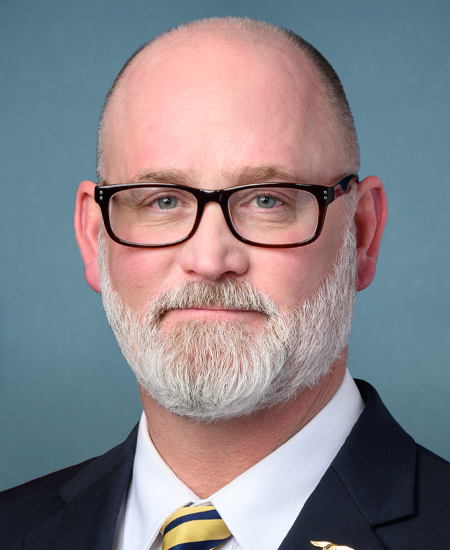
Rep. Derrick Van Orden
Sponsored bills
Maddy summaryHR 7411, the Recover Pride in Service Act, requires the Department of Defense to automatically upgrade all military discharges based solely on sexual orientation to honorable status without veterans needing to apply. It directly affects veterans discharged under such policies, including those separated before September 20, 2011. Key provisions include amending review procedures to eliminate documentation requirements for veterans seeking review, establishing a Defense Outreach Unit to notify affected veterans within 60 days, and mandating a 5-year timeline for full implementation. The bill also requires annual progress reports to Congress on discharge upgrades and final reports detailing outcomes like the number of upgrades completed.
Maddy summaryThe PURR Act of 2024 establishes a uniform federal regulatory framework for pet food in the U.S., replacing inconsistent state-level rules and separating pet food regulation from livestock feed. It preempts state laws on pet food labeling and marketing, creates a standardized process for reviewing new pet food ingredients (requiring FDA action within 90 days), and allows certain marketing claims like "natural" or "hairball control" without premarket approval if truthful and substantiated. The bill defines key terms (e.g., "companion animal" as dogs/cats), sets ingredient listing rules, and mandates FDA guidance on topics like nutritional adequacy and calorie claims. This directly affects pet food manufacturers, the FDA’s Center for Veterinary Medicine, and pet owners by creating clearer safety standards and labeling consistency nationwide.
Maddy summaryHRES 966 is a symbolic resolution condemning alleged sexual violence committed by Hamas during its October 7, 2023, attack on Israel. It specifically references eyewitness accounts, forensic evidence, and Hamas fighters' admissions of ordering gang rape, sexual mutilation, and assault against Israeli civilians. The resolution calls for international condemnation of such acts as weapons of war, urges nations to criminalize sexual violence, and supports investigations into Hamas' actions. As a non-binding resolution, it does not create new laws or directly affect any individuals but formally expresses the House's position on the issue.
Maddy summaryHR 7349, the Safe Passage on Interstates Act of 2024, makes it a federal crime to intentionally obstruct interstate highways. The bill prohibits deliberately slowing traffic, standing near vehicles, or endangering vehicle movement on interstate highways with the intent to block normal use. Violators face fines up to $15,000 and prison sentences up to 20 years, with harsher penalties for obstructing emergency vehicles or causing death. This law directly affects individuals who intentionally disrupt interstate traffic flow, aiming to protect the free movement of vehicles on the national highway system. The bill adds this new criminal provision to federal law without changing existing state traffic regulations.
Maddy summaryHCONRES 90 is a non-binding congressional resolution condemning the Biden administration's January 26, 2024, decision to indefinitely pause LNG export permit approvals under the Natural Gas Act. It claims this pause harms U.S. economic interests (including jobs and exports to European allies, which accounted for over 50% of U.S. LNG shipments), weakens security partnerships in Europe, and undermines climate goals by reducing a lower-emission energy alternative to Russian gas. The resolution urges the administration to reverse the pause but has no legal effect, as it does not change any laws or permit processes. It is a symbolic statement of disapproval, not a policy change.
Maddy summaryHJRES 114 is a joint resolution seeking congressional disapproval of a Federal Highway Administration (FHWA) rule that would have required tracking greenhouse gas emissions as part of assessing performance for the National Highway System. The rule, published in the Federal Register in December 2023, aimed to establish specific metrics for evaluating highway system performance, including emissions data. If approved, this resolution would nullify the rule, preventing the FHWA from implementing the emissions tracking requirement. This action directly affects how the FHWA measures highway system performance, specifically regarding environmental metrics.
Maddy summaryThis bill appropriates over $15 billion in supplemental funding for U.S. security assistance to Israel following attacks in Israel. It includes specific allocations such as $5.2 billion for Israel's Iron Dome, David's Sling, and Iron Beam defense systems, as well as funds for military personnel, operations, and equipment across all branches of the military. The bill requires the Secretary of Defense and Secretary of State to submit regular reports to Congress detailing security assistance provided to Israel and designates all funding as "emergency requirements" under federal law. This funding directly supports U.S. security assistance programs with Israel to respond to regional security threats.
Maddy summaryHR 7232, the "No Visas for Anti-Semitic Students Act," revokes student visas (F or M status) for international students who are or were members of antisemitic organizations or made public antisemitic statements. It directly affects non-U.S. students holding valid F- or M- visas who engage in such activities, requiring the Secretary of State to revoke their visas upon the bill's enactment. The bill defines antisemitism broadly as hatred toward Jews expressed through rhetoric or physical acts targeting Jewish individuals, property, community institutions, or religious facilities. It also prohibits granting new student visas to applicants with such affiliations or statements. The law amends existing immigration rules to void visas if students later engage in antisemitic conduct while holding F- or M-status.
Maddy summaryHR 7231, the CAMPUS Act, prohibits U.S. colleges and universities receiving federal student aid (Title IV funds) from promoting antisemitism. It blocks federal funding for institutions that either fund organizations engaging in antisemitic harassment or allow faculty to promote antisemitism during classes. The Secretary of Education would determine violations, give institutions 30 days to correct issues (like disciplining staff), and cut funding if unresolved. This directly affects all colleges participating in federal student aid programs that fail to address such activity.