

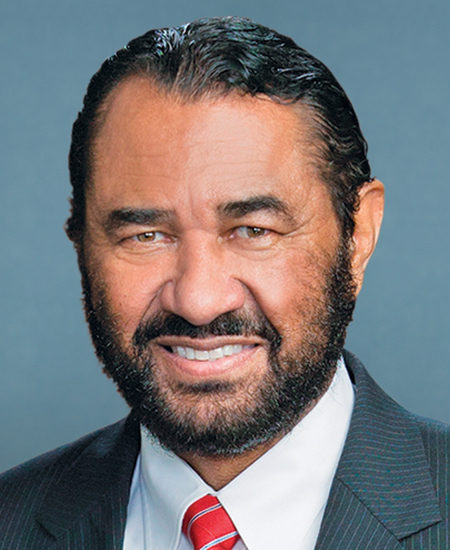
This concurrent resolution (1) recognizes the 133 years of significant and meaningful contributions the 1890 Institutions (i.e., historically Black universities established under the Second Morrill Act of 1890) have made to the United States, (2) supports the efforts of the Department of Agriculture and other federal agencies to build stronger partnerships with such institutions, and (3) commits to working in a bipartisan way to address the past funding and program inequities of such institutions.
Sponsored bills
Maddy summaryHRES 702 is a symbolic House resolution (not a binding law) expressing the House's "sense" that the federal government should develop a "restaurant workers' bill of rights." It does not create new policies but calls for future legislation to address systemic issues affecting restaurant workers, including low wages, lack of healthcare access, discrimination, unsafe conditions, and inadequate leave. The resolution outlines five key areas for such future legislation: ensuring fair pay and economic security, paid leave and predictable schedules, safe workplaces, healthcare access (including reproductive care), and protections for organizing and voting. It specifically references existing bills (like the LIFT the BAR Act and EACH Act) as potential models for this future framework. The resolution directly affects the 12.5 million U.S. restaurant workers, who face disproportionate poverty, discrimination, and workplace hazards.
Maddy summaryHRES 709 is a symbolic resolution designating September 2023 as "National Cholesterol Education Month" and September 30, 2023, as "LDL-C Awareness Day." It encourages all U.S. residents - particularly underserved communities disproportionately affected by cardiovascular disease (including people of color and rural populations) - to know their LDL cholesterol levels. The resolution highlights that high LDL-C is a key preventable risk factor for heart attacks and strokes, citing low testing rates (e.g., only 27% of heart attack patients get tested post-hospitalization). It does not create new laws or funding but aims to raise awareness about the importance of LDL-C screening and management.
Maddy summaryHRES 692 designates September 2023 as "Sickle Cell Disease Awareness Month" to promote education about sickle cell disease (SCD) across the U.S. It directly affects communities impacted by SCD - estimated at 100,000 people in the U.S., with higher prevalence among African and Hispanic Americans - and encourages broader public awareness. The resolution calls for educational events focused on early detection, effective treatments, preventative care, and complications related to SCD. It also urges federal agencies to address barriers to equitable access to SCD therapies and supports efforts by organizations like the Sickle Cell Disease Association of America. This is a symbolic resolution without new legal requirements, aiming to raise public knowledge and support for SCD-related initiatives.
Maddy summaryHRES 693 designates September 9 as "National African Immigrant and Refugee HIV/AIDS and Hepatitis Awareness (NAIRHHA) Day" to highlight health disparities affecting African immigrant and refugee communities in the U.S. It recognizes these communities face significantly higher rates of HIV (6x the general population) and hepatitis B (10% prevalence) due to barriers like stigma, language gaps, immigration status fears, and misclassification in health data. The resolution aims to raise awareness, reduce stigma, and promote culturally appropriate education, testing, and treatment access. As a symbolic measure, it does not create new laws or funding but encourages greater attention to these health needs.
Maddy summaryThis bill amends the Higher Education Act to require all U.S. colleges and universities receiving federal financial aid to create detailed anti-harassment policies covering physical, online, and institution-sponsored settings. It mandates policies prohibiting harassment based on race, sex (including sexual orientation and gender identity), disability, religion, and other protected characteristics, including harassment via institutional email, computers, or electronic messaging. The bill also establishes a $50 million annual grant program to fund colleges developing prevention programs, victim support services, and training for students and staff on recognizing and addressing harassment. These policies and grants must comply with existing civil rights laws like Title IX but add specific requirements for reporting and prevention.
Maddy summaryHRES 710 is a ceremonial resolution honoring Thai-American garment workers who escaped a 1995 El Monte, California sweatshop where they were trafficked and held against their will. The resolution recognizes their landmark lawsuit - the first federal case against garment employers - which spurred national anti-sweatshop campaigns, influenced the creation of T and U visas for trafficking survivors, and advanced corporate accountability. It does not enact policy changes but commemorates their role in inspiring lasting labor rights reforms and their induction into the U.S. Department of Labor’s Hall of Honor.
Maddy summaryHRES 703 is a symbolic resolution supporting the designation of September 2023 as "National Voting Rights Month" to raise awareness about voting access. It encourages all U.S. citizens to uphold voting rights, urges Congress to pass specific voting rights legislation (like the Freedom to Vote Act and Democracy Restoration Act), and recommends that schools teach about voting history and current voter access issues. The resolution does not create new laws or directly affect specific groups, but it aims to promote broader public engagement with voting rights through education and advocacy. As a non-binding resolution, it expresses support for these goals without implementing any concrete policy changes.
Maddy summaryThe Reuniting Families Act reduces family-based visa backlogs by reclassifying spouses, permanent partners, and minor children of legal permanent residents as immediate relatives, allowing them to be processed more quickly. The bill recaptures unused visa numbers from previous years, increasing the total number of available family-based visas without changing the overall annual caps. It expands rights for permanent partners (not just married spouses) and provides relief for orphans, widows, and widowers with pending applications. The legislation also prohibits removal of aliens with pending applications and prioritizes family reunification in refugee resettlement processes.
Maddy summaryThis bill establishes a new Office within the Department of Justice to address racial disparities in missing and murdered Black women and girls cases. The Office will collect data on case resolution times, coordinate with law enforcement, and create a public dashboard tracking these cases. It also creates grants for community organizations to provide culturally appropriate services, prevention programs, and training for law enforcement targeting violence against Black women and girls. The bill directly affects Black women and girls who are victims of violence and their communities, focusing on improving data collection and support systems rather than changing criminal laws.