

Maddy summaryThis bill prohibits doctors from performing abortions based solely on a Down syndrome diagnosis. It requires providers to ask patients about such diagnoses before an abortion and inform them of the ban. Violations could result in criminal penalties (up to 5 years in prison) or civil lawsuits seeking damages for the patient or family. The law applies to all abortions performed in the U.S. or transported across state lines for this specific purpose. It does not restrict other abortion procedures or create a new right to abortion.
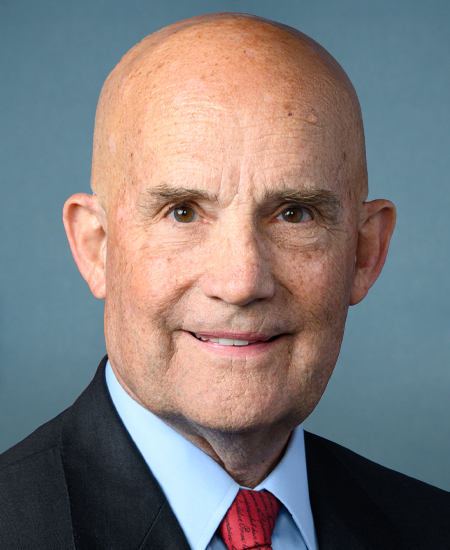
Rep. Keith Self
Sponsored bills
Maddy summaryThis bill would change work requirements for food stamp benefits (SNAP) and establish new work requirements for Medicaid. For SNAP, it removes exemptions for people over 60 and adds exemptions for children under 6. For Medicaid, it requires adults to work 80 hours per month, do community service, or join a work program to maintain coverage, with exemptions for pregnant people, caregivers of young children, students, and others. States could stop Medicaid benefits for individuals who fail to meet this requirement for three consecutive months.
Maddy summaryHRES 229 is a formal House resolution impeaching Chief Judge James E. Boasberg of the U.S. District Court for the District of Columbia. It accuses him of abusing judicial power by interfering with President Trump's enforcement of immigration policies under the Alien Enemies Act, specifically blocking efforts to remove aliens linked to the Tren de Aragua terrorist group and ordering planes to turn around midair. The resolution claims these actions violated separation of powers by second-guessing the President's constitutional authority without judicial authority. This is a procedural impeachment resolution pending Senate action, not a law affecting the public.
Maddy summaryHR 2202 prohibits federal funds from being used for gender transition procedures or health plans covering them in federal programs like Medicaid and the Affordable Care Act. It does not ban these procedures but restricts federal subsidies, requiring individuals to pay for such coverage using non-federal funds (e.g., out-of-pocket or private insurance not tied to federal programs). The bill defines gender transition procedures broadly to include hormonal treatments and surgeries (e.g., mastectomy, hysterectomy), with exceptions for medically necessary treatments related to disorders of sex development or complications from such procedures. It also clarifies that ACA premium tax credits and cost-sharing reductions cannot apply to plans covering these procedures, though separate non-federal-funded coverage remains an option.
Maddy summaryThis bill protects pregnancy centers that provide non-abortion services from federal discrimination. It prohibits government entities and recipients of federal funds from forcing these centers to offer, refer for, or promote abortions, or from restricting their life-affirming services like pregnancy testing, counseling, or baby supplies. The law creates a legal path for affected centers to sue if they face retaliation for declining abortion-related activities. It amends federal health law to explicitly shield such organizations from being penalized for their stance.
Maddy summaryHRES 224 is a symbolic resolution (not a binding bill) expressing support for recognizing "Detransition Awareness Day." It urges the development of policies ensuring mental health services for people experiencing discomfort with their sex, advocating for informed consent processes about gender-affirming medical procedures, and extending medical malpractice statute of limitations. The resolution also calls for removing damage caps in malpractice claims related to such procedures and requests the Department of Health and Human Services review care guidelines. It has no legal effect but aims to foster public understanding of detransition experiences and promote ethical medical standards.
Maddy summaryThe Stop CCP VISAs Act of 2025 would prohibit U.S. visas for Chinese citizens seeking to study or conduct research in the United States. It specifically blocks the issuance of F-1 (academic student), J-1 (exchange visitor), and M-1 (vocational student) visas for these purposes. This bill directly affects Chinese nationals who otherwise qualify for these student visa categories at U.S. educational institutions. The policy change would amend immigration law to implement this visa ban.
Maddy summaryThis bill prevents federal agencies from awarding duplicate grants for the same purpose, except for institutions of higher education. It requires agencies to use a new electronic tracking system to check if applicants are already receiving or have applied for similar funding before approving new grants. The system will track details like project names, researchers, and funding periods to identify overlaps. Agencies must also report on using AI to detect duplicate applications faster, aiming to reduce wasted taxpayer funds on overlapping projects.
Maddy summaryThe FOCA Act of 2025 prohibits federal agencies from requiring or banning contractors from using union agreements in construction project bids or contracts. It directly affects federal agencies, contractors, and subcontractors working on federally funded or assisted construction projects (like buildings or infrastructure). The law requires bid documents to not favor or penalize contractors based on whether they have union agreements, aiming to promote open competition and prevent discrimination. This changes how agencies structure bids but does not affect union agreements themselves. The bill applies to all new contracts and subcontracts after enactment, with limited exemptions only for public health/safety emergencies or national security.
Maddy summaryHR 1116, the REAL Meat Act of 2025, prohibits federal funding for cell-cultured meat (lab-produced meat) by banning government support for its research, production, promotion, or inclusion in USDA programs. It directly affects federal agencies like the Department of Agriculture and research programs by blocking funds for any activity related to cell-cultured meat, except for NASA's space-related use. The bill defines cell-cultured meat as meat grown from animal cells in a lab, ensuring the funding restriction applies specifically to this method. The sole exception allows NASA to fund cell-cultured meat intended for consumption off-planet. This policy change restricts government financial support but does not ban the sale or consumption of cell-cultured meat products.