

Maddy summaryHR 573, the "Studying NEPA’s Impact on Projects Act," requires the Council on Environmental Quality (CEQ) to annually publish detailed reports starting July 2025 on how the National Environmental Policy Act (NEPA) affects federal projects. The reports will track NEPA-related lawsuits (including outcomes and costs), the length and cost of environmental reviews (like impact statements), and timelines for completing key review steps over 5- to 10-year periods. Data must be broken down by project type (e.g., energy, transportation) and sector (e.g., renewable energy, pipelines) to show trends in compliance, delays, and expenses. This information will be made publicly available online and submitted to relevant congressional committees, providing transparency on NEPA’s practical implementation without changing the law itself.
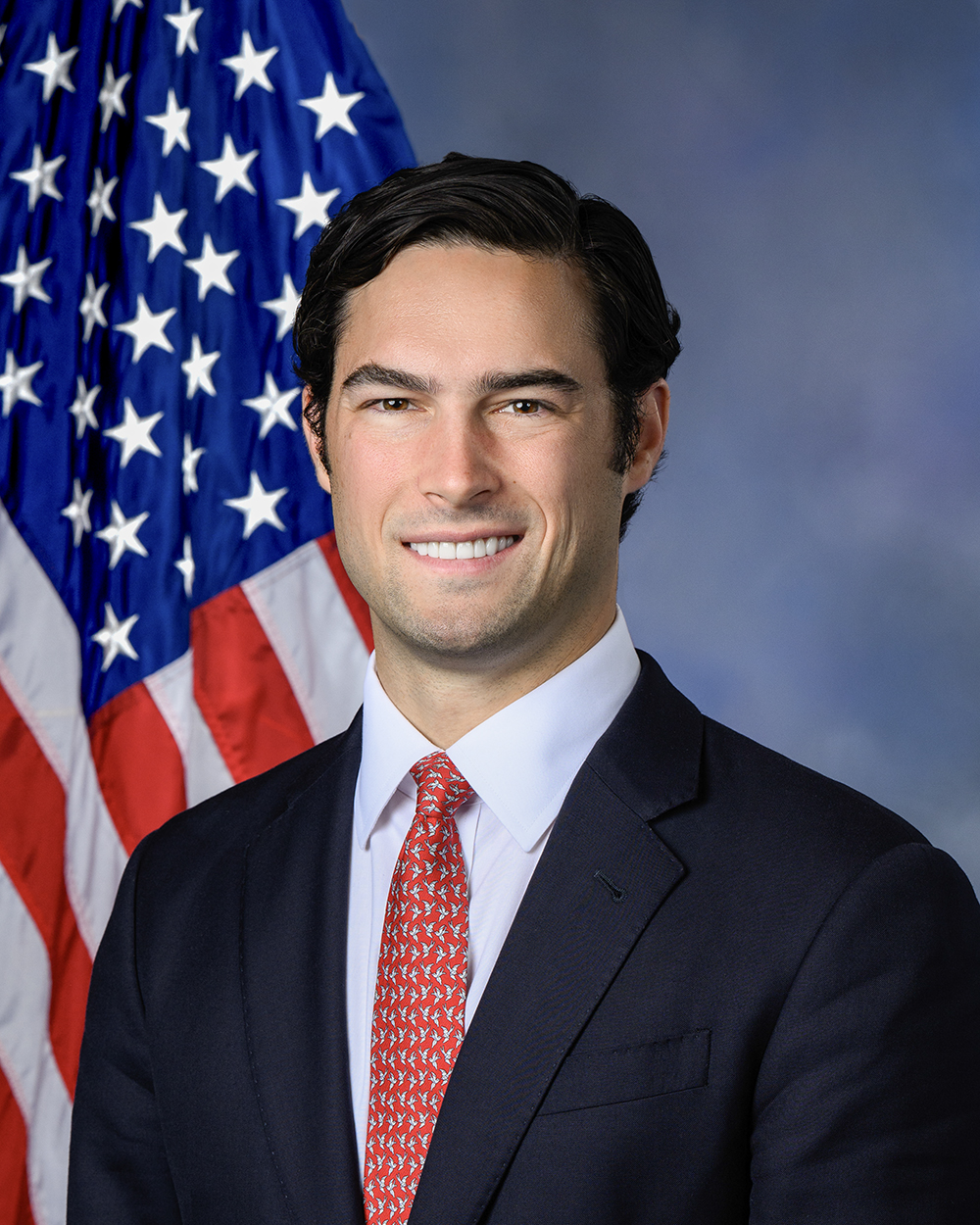
Rep. Brandon Gill
Sponsored bills
Maddy summaryHR 6425 requires the FBI to create a working group within 90 days, including 18 federal agencies like the FTC and CFPB, to develop a National Strategy for Combating Scams. The strategy must establish a common scam definition, coordinate data collection across agencies, improve public complaint reporting (including for people with disabilities), and enhance private-sector collaboration to prevent scams. It mandates the strategy be submitted to Congress and published publicly within one year, with updates every five years. This bill directly affects federal agencies' coordination efforts but does not create new laws or directly impact citizens beyond improving how the government addresses scams.
Maddy summaryHR 6372, the D.C. Shield Law Repeal Act, repeals the Human Rights Sanctuary Amendment Act of 2022 (D.C. Law 24-257), which had modified District of Columbia protections for certain immigrant residents. The bill restores the previous legal framework that existed before the 2022 amendment took effect. This directly affects D.C. law and its implementation regarding immigrant rights within the District.
Maddy summaryThis bill would amend the Anti-Terrorism Act of 1987 to designate the Muslim Brotherhood as a terrorist organization and prohibit its operations within the United States. It would require the President to designate the Muslim Brotherhood as a foreign terrorist organization under immigration law and impose new visa restrictions, including immediate revocation of current visas, for individuals identified as members. The bill mandates annual reports from the Secretary of State identifying Muslim Brotherhood branches worldwide and determining which should be designated as terrorist organizations under existing laws. These provisions would directly affect Muslim Brotherhood members, branches, and affiliated organizations seeking entry to or operating within the United States.
Maddy summaryHR 5749, the Official Time Reporting Act, requires federal agencies to report annually on how they use "official time" - when union-represented employees perform union duties during work hours. Agencies must submit detailed data to the Office of Personnel Management (OPM) by December 31 each year, including total official time granted, costs, explanations for year-over-year increases, and specific activities covered. OPM then compiles this information into a public report by March 31, showing agency-level breakdowns and comparing data across years. This bill directly affects all federal agencies with union-represented employees, mandating transparency about official time usage and associated costs. The reporting aims to provide clear, standardized data for public accountability without changing existing official time policies.
Maddy summaryHR 3806, the New World Screwworm Preparedness Act of 2025, requires the U.S. Department of Agriculture to conduct a study on the nation's readiness to prevent and respond to New World screwworm (NWS) infestations. The study must assess current threats, sterile insect production capabilities, surveillance systems, emergency response plans, research needs, and international cooperation, with input from livestock producers, wildlife agencies, and scientists. The Secretary of Agriculture must submit a report to Congress within six months detailing findings and recommendations for improving preparedness. This bill directly affects agricultural stakeholders and wildlife management by mandating a review of existing capabilities, not by changing current policy.
Maddy summaryHCONRES 58 is a symbolic congressional resolution denouncing socialism in all its forms. It does not create new laws or affect any policies, as it is a non-binding statement of opinion. The resolution cites historical events and quotes from Founding Fathers to argue that socialism leads to authoritarianism and economic harm, referencing examples like the Soviet Union and Venezuela. It formally "denounces" socialism and opposes implementing socialist policies in the U.S., but has no legal effect on citizens or government actions. This is a procedural resolution, not a policy measure.
Maddy summaryThis bill would pause most visa issuances and immigration status approvals until specific conditions are met under immigration law. It prohibits access to public schools for unauthorized immigrants, restricts citizenship eligibility to children born in the U.S. with at least one U.S. citizen or permanent resident parent, and bars certain benefits like Medicare, food assistance, and student loans for most non-citizens. The bill also imposes a $100,000 fee on H-1B work visa applications starting in 2026, terminates the Optional Practical Training program for international students, and repeals the Diversity Visa lottery program. These provisions directly affect immigrants seeking visas, students, and applicants for specific immigration pathways.
Maddy summaryHR 5107, the Common-Sense Law Enforcement and Accountability Now in DC Act (CLEAN DC Act), repeals D.C. Law 24-345 (the 2022 Comprehensive Policing and Justice Reform Amendment Act). This bill directly affects Washington, D.C.'s policing and justice systems by reversing all changes made under that 2022 law. The key mechanism is a straightforward repeal, restoring all prior District laws as if the 2022 reform had never been enacted. The bill does not introduce new provisions but undoes existing reforms to the District’s law enforcement framework.
Maddy summaryHR 4711, the REMOVE Act, requires the U.S. government to expedite the removal of immigrants convicted of crimes that make them deportable. It mandates that immigration court proceedings for these individuals must be completed within 15 days of starting, replacing longer standard timelines. The bill directly affects non-citizens convicted of offenses listed under deportation laws, requiring faster processing by the Attorney General. Key provisions include immediate initiation of removal proceedings after a Notice to Appear is filed and strict 15-day deadlines for court resolutions. This changes current procedures by prioritizing speed for this specific group in immigration court.