

Maddy summaryThe Congressional Budget Office Scheduling Reform Act (HR 6140) requires the Congressional Budget Office (CBO) to publish an annual schedule of major recurring reports by December 31 each year. This schedule must include key reports like the budget baseline, deficit reduction options analysis, accuracy of budget projections, and reports on unauthorized appropriations. The CBO must update the schedule as needed during the year. This law directly affects the CBO's reporting process and provides Congress with clearer timelines for accessing critical budget information. The bill aims to increase transparency around when these reports will be released.
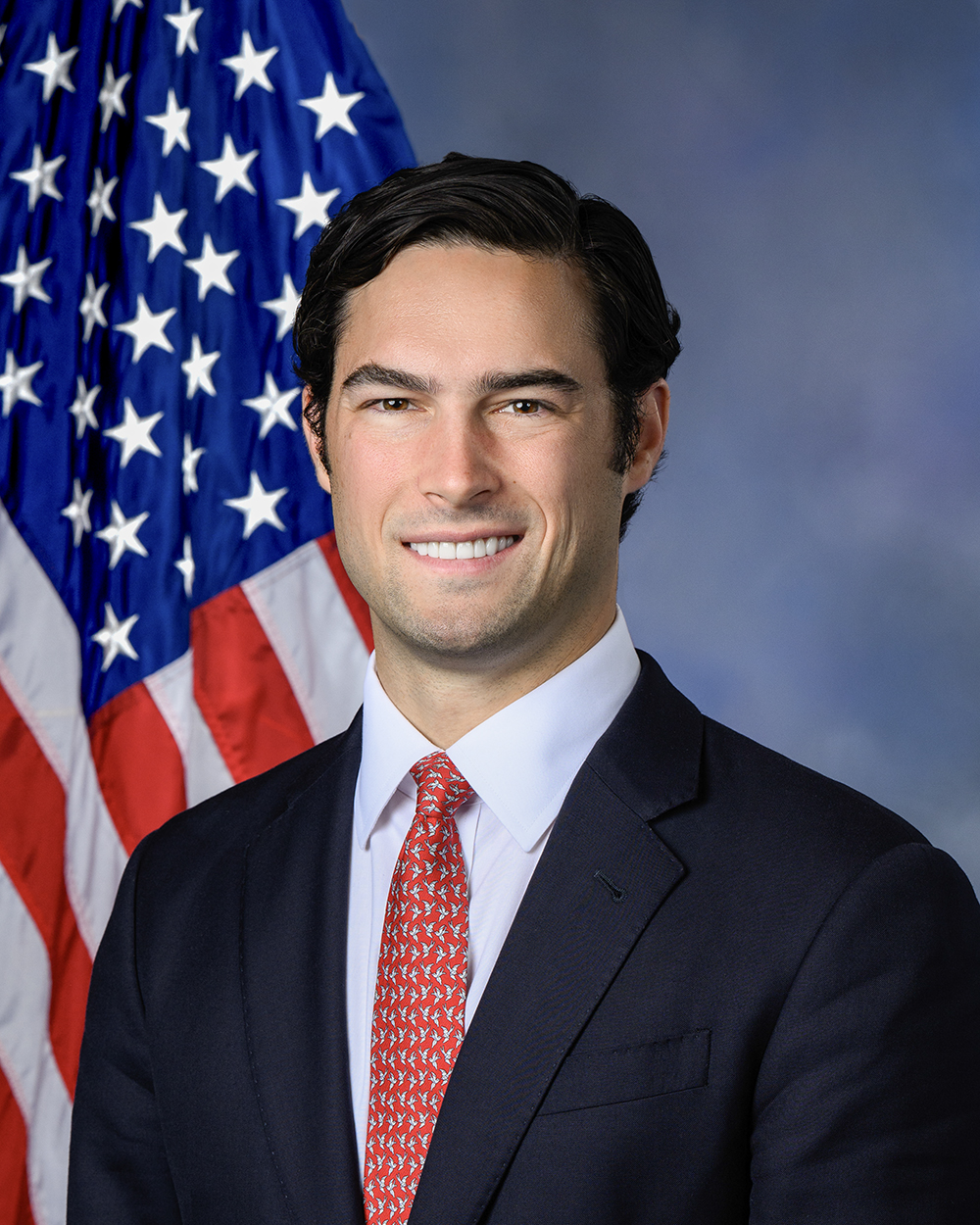
Rep. Brandon Gill
Sponsored bills
Maddy summaryThis bill amends Section 2119 of Title 18 (carjacking statute) to clarify the legal definition of the offense. It removes the phrase "with the intent to cause death or serious bodily harm" from the main definition, replacing it with "knowingly," and refines the death penalty provision to specify that death must result from a carjacking taken with the intent to cause death or serious bodily harm. The change streamlines the statute by focusing on the act of taking a vehicle "knowingly" rather than requiring proof of intent to cause harm as a core element. This technical amendment affects how federal prosecutors define and prosecute carjacking cases under existing law.
Maddy summaryHR 1109, the Litigation Transparency Act of 2025, requires parties and their lawyers in civil lawsuits to disclose to the court and other parties the identity of any person or group that could receive payment if the case succeeds (like investors or lenders), and to provide copies of related agreements. Exceptions apply for simple loan repayments (with interest limits) or attorney fee reimbursements. Disclosures must be made within 10 days of signing such agreements or when filing the case, and must be updated if inaccurate. This applies to all civil cases filed after the law takes effect, aiming to increase transparency in litigation funding arrangements.
Maddy summaryHRES 888 is a proposed resolution to formally censure and condemn Delegate Stacey Plaskett for coordinating with Jeffrey Epstein, a convicted sex offender, during a February 2019 congressional hearing. The resolution claims Plaskett received real-time text messages from Epstein with instructions on her questioning during the hearing. If passed, the resolution would remove Plaskett from the House Permanent Select Committee on Intelligence and direct the Committee on Ethics to investigate her ties to Epstein. This action directly affects Plaskett, the Delegate from the U.S. Virgin Islands, and addresses alleged misconduct during official congressional proceedings.
Maddy summaryHRES 782 is a non-binding House resolution expressing condolences to victims of the July 4, 2025, catastrophic floods in Texas, which caused at least 135 deaths (including 37 children) and widespread destruction. It honors first responders who rescued over 850 people and community heroes like camp staff who saved children, while committing the House to stand with affected Texans. The resolution does not create new laws or allocate funds - it formally mourns the loss of life, recognizes acts of courage, and urges prioritization of rebuilding infrastructure and support for vulnerable residents. This symbolic gesture was introduced by multiple Texas representatives and referred to the Transportation Committee.
Maddy summaryHR 6035, the Second Amendment Restoration Act of 2025, would repeal specific firearm-related provisions from the Bipartisan Safer Communities Act (2022), including rules on background checks and gun sales, and restore federal gun laws as they existed before that law was enacted. It also reverses an education-related provision affecting school safety grants under the Elementary and Secondary Education Act. The bill directly affects federal regulations governing gun ownership and school safety funding by reverting to pre-2022 legal standards. It does not create new gun laws but undoes specific changes made by the 2022 law.
Maddy summaryHRES 866 is a non-binding House resolution condemning the systematic persecution of Christians in Nigeria by groups like Boko Haram and Fulani militants, and criticizing Nigeria's government for failing to protect Christian communities or acknowledge the violence. It calls on the U.S. government to support President Trump in using diplomatic, economic, and security tools to pressure Nigeria to end impunity for attacks, protect Christians, return displaced persons, and repeal blasphemy laws. The resolution specifically demands action against religiously motivated violence, including the release of those imprisoned for their faith, and urges coordination with international partners for humanitarian aid. It does not create new laws but expresses congressional support for U.S. policy actions targeting Nigeria's religious freedom violations.
Maddy summaryHR 5968, the Promoting Classical Learning Act of 2025, requires military service academies to accept scores from the Classic Learning Test (CLT) alongside the SAT or ACT for applicant admissions. It also mandates that Department of Defense Education Activity (DODEA) schools administer the CLT to all 11th graders. Additionally, the bill requires tribally controlled schools and Bureau of Indian Education (BIE)-operated schools to give the CLT to 11th graders. The bill directly affects applicants to military service academies and 11th-grade students in these specific federal school systems.
Maddy summaryThis bill names a specific U.S. Postal Service facility in Fort Davis, Texas, as the "Sergeant Manuel Sillas Gonzales Post Office." It directly affects the postal facility located at 500 Sergeant Gonzales Drive by changing its official name. The bill requires all federal documents, maps, and records to reference the facility by its new name moving forward. This is a ceremonial naming bill with no policy changes or financial impact.
Maddy summaryHRES 858 is a resolution by the U.S. House of Representatives to impeach Chief Judge James E. Boasberg of the U.S. District Court for the District of Columbia. It alleges he abused his authority by issuing "frivolous" nondisclosure orders that prevented Members of Congress from being notified of legal process and covered conservative organizations and individuals. These orders, the resolution claims, violated constitutional protections for Congress and a federal law (2 U.S.C. § 6628) safeguarding Senate communications. The resolution would send the impeachment charge to the U.S. Senate for trial, seeking removal from office.