

Maddy summaryHRES 1223 designates October 10, 2024, as "American Girls in Sports Day" through a symbolic resolution. It recognizes the impact of women in sports history, emphasizes the importance of Title IX protections for female athletes, and urges sports organizations to safeguard opportunities for biological girls in competition. The resolution does not create new laws or funding but serves as a formal acknowledgment of existing policy goals. It directly affects the symbolic recognition of women's sports participation, with no concrete policy changes or affected groups beyond this designation.
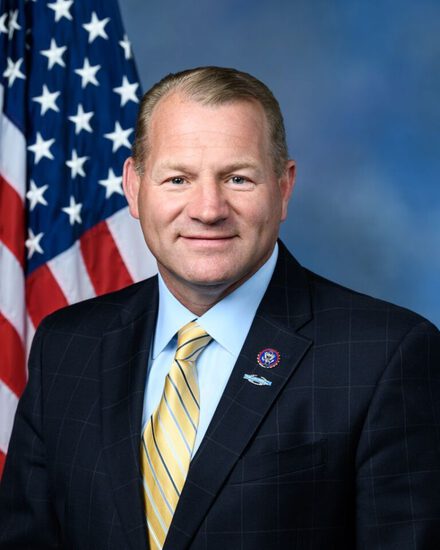
Rep. Troy E. Nehls
Sponsored bills
Maddy summaryThis bill defines what constitutes "compensation" for student athletes, explicitly excluding standard benefits like tuition, health insurance, and academic stipends (capped at $5,980 annually). It shields colleges, athletic associations, and conferences from lawsuits when enforcing rules that limit or prohibit student athletes from earning money through name, image, and likeness (NIL) deals or other commercial opportunities. The law clarifies that institutions cannot be held liable for restricting eligibility if athletes violate these compensation rules. It applies to all colleges and athletic conferences under the Higher Education Act, focusing on legal clarity around NIL policies.
Maddy summaryHR 8320, the Spend It At Home Act, would require the IRS to add a new option on federal income tax forms, allowing taxpayers to indicate whether their taxes should fund domestic or international government spending. This directly affects all individuals and households filing federal income tax returns. The bill mandates annual public reporting of how many taxpayers chose each option and the total tax amounts associated with each choice. It also includes a provision to rescind unobligated IRS funding from the Inflation Reduction Act of 2022, though this is a separate administrative change.
Maddy summaryThis bill designates the U.S. Postal Service facility at 2395 East Del Mar Boulevard in Laredo, Texas, as the "Lance Corporal David Lee Espinoza, Lance Corporal Juan Rodrigo Rodriguez & Sergeant Roberto Arizola Jr. Post Office Building" to honor these three military service members. It changes the official name of the building for all government references, maps, and records, but does not alter postal services or create new policy. The bill was enacted on May 7, 2024, following passage by both the House and Senate.
Maddy summaryHR 3325, the Recruit and Retain Act of 2024, expands how federal COPS grants can be used to help law enforcement agencies hire officers. It allows grants to cover application fees (like background checks) for agencies facing declining recruitment, permits up to 2% of grant funds for administrative costs, and creates a new "Pipeline Partnership Program" requiring law enforcement agencies to partner with schools or colleges to engage students through career events, mentoring, and internships. The bill also adds guidance for agencies operating below budgeted staffing levels and mandates a Comptroller General study on recruitment/attrition trends across all levels of law enforcement. These changes directly affect local, state, and tribal police departments struggling to recruit or retain officers, as well as educational institutions partnering with them.
Maddy summaryHR 764, the "Trust the Science Act," requires the Secretary of the Interior to reissue a specific 2020 rule removing gray wolves from the endangered species list within 60 days of the bill's enactment. This directly affects gray wolf populations by changing their federal conservation status. The bill's key provision mandates that this reissuance cannot be challenged in court, eliminating judicial review of the decision. The bill focuses solely on procedural implementation of a prior rule, not broader scientific policy.
Maddy summaryHR 8147 repeals the Corporate Transparency Act, which required certain businesses (typically those with more than 20 employees) to report beneficial ownership details to the Treasury Department. This bill eliminates the requirement for companies to disclose who ultimately owns or controls them, directly affecting business owners and financial institutions that previously submitted this information. The bill also makes minor technical changes to Title 31 of the U.S. Code to remove references to the repealed provisions. The repeal would end the existing financial transparency reporting obligation for covered entities.
Maddy summaryHR 8129, the American Nuclear Workforce Act, creates a Department of Energy initiative to strengthen nuclear workforce development. It directs the Secretary of Energy to encourage states to enhance nuclear science education at "covered schools" (defined as schools within 25 miles of operating nuclear plants or developers, or designated by the Secretary). Key provisions include promoting relevant degrees (like nuclear engineering), arranging plant tours for students, establishing industry mentorship programs, and leveraging campus research reactors for student training. The bill directly affects schools near nuclear facilities and aims to connect students with internships, scholarships, and career opportunities in the nuclear energy sector.
Maddy summaryThis bill restricts federal funding for live animal medical training used by Department of Justice personnel. It requires the Attorney General to issue a written determination that such training is medically necessary and cannot be replaced by human-based methods like simulators, task trainers, or cadavers. Federal funds may not support live tissue training (wounding live animals to teach injury treatment) unless this determination is made. The law explicitly recognizes simulators and cadavers as acceptable alternatives to animal-based training.
Maddy summaryHR 8060, the CALL Act, requires refugee resettlement agencies to notify specific elected officials before placing refugees in a community. It directly affects resettlement agencies and requires them to notify Senators from the state, the local House representative, and applicable state legislators prior to making a placement within a state. The key provision amends immigration law to mandate this pre-placement notification, replacing a previous requirement with a clearer, multi-tiered notification process. This change aims to ensure local elected officials are informed about refugee placements in their jurisdictions.