

Maddy summaryHR 9084, the STOP the SWAMP Act, amends congressional investigation rules to impose penalties on federal employee witnesses who refuse to answer questions or commit perjury. It adds misdemeanor penalties (fines of $100-$1,000 and up to 12 months in jail) for witnesses who refuse to answer relevant questions during investigations, and mandates debarment from all federal employment for such violations or for final convictions of perjury (under 18 U.S.C. §§ 1621 or 1001). The bill also creates a 180-day window for Congress to pass a joint resolution rescinding salary funds for violating federal employee witnesses, requiring expedited committee reviews and voting within strict timeframes (15 days for committee, 20 days for full chamber). This bill directly affects federal employees summoned as witnesses in congressional investigations, focusing on accountability during official inquiries.
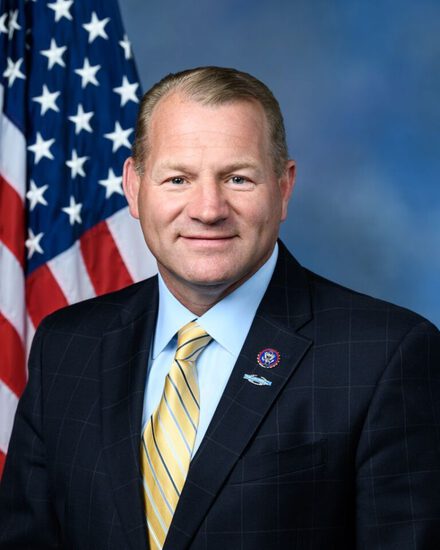
Rep. Troy E. Nehls
Sponsored bills
Maddy summaryThe Secret Service Readiness Act of 2024 requires the Secret Service to establish uniform fitness standards for Special Agents and Uniformed Division Officers that apply equally to all applicants, regardless of gender. These standards must be at least as rigorous as the current fitness requirements for male applicants and existing personnel. The Director of the Secret Service must implement these standards within 90 days of the bill’s enactment and submit a report on the process to Congress within 180 days. This bill directly affects Secret Service personnel by standardizing fitness requirements to ensure consistency and maintain current performance expectations.
Maddy summaryHR 1631, the Pro Codes Act, requires standards development organizations (like ANSI or IEEE) to make technical standards publicly accessible online for free if those standards are referenced in federal, state, or local laws or regulations. This directly affects the organizations that create these standards and government agencies that incorporate them into rules. The key provision mandates that organizations must provide free, online access to all referenced standards within a reasonable time after learning they’re incorporated, without charging users or requiring payment. It ensures the public can access current standards used in government rules while allowing organizations to maintain revenue models through paid subscriptions for other users. The law balances public access with the need for standards organizations to fund their work through copyright licensing.
Maddy summaryThis resolution honors Corey Comperatore, a former Buffalo Township Volunteer Fire Department chief from Pennsylvania, who was killed shielding his family during the July 13, 2024, attempted assassination of former President Donald J. Trump at a rally in Butler. It recognizes his service and sacrifice, specifically noting he died protecting his wife and two daughters. The resolution also condemns the assassination attempt and political violence in all forms. As a commemorative resolution, it has no binding policy effect.
Maddy summaryThis bill amends federal kidnapping and sexual abuse laws to strengthen protections for minors under 16. It adds a new provision making it unlawful to intentionally touch a minor's genitalia (not through clothing) for sexual purposes in federal prisons or facilities under federal contract. Crucially, it removes consent as a defense for offenders when the victim is under 16, requiring offenders to prove they reasonably believed the minor was 16. These changes apply retroactively to conduct occurring before, during, or after the law's enactment.
Maddy summaryThe Railroad Safety Enhancement Act of 2024 establishes new safety requirements for high-hazard trains carrying hazardous materials, including speed limits of 50 mph (40 mph in urban areas) for trains with 20 or more flammable liquid tank cars. The bill requires rail carriers to provide real-time electronic train consist information to emergency responders and State emergency commissions, including details about hazardous materials being transported, routes, and emergency response contacts. It mandates railroads to develop and regularly update hazardous materials emergency response plans, with triennial reviews by the Federal Railroad Administration. The act also phases out older tank cars by December 2027, requiring all tank cars to meet DOT-117 specifications for flammable liquids, and increases civil penalties for rail safety violations up to $5 million.
Maddy summaryHJRES 164 is a congressional resolution seeking to block a rule issued by the Department of Commerce regarding firearms license requirements. It directly targets the rule published in the Federal Register (89 Fed. Reg. 34680), which would have revised licensing procedures for firearms dealers. If passed, the resolution would prevent this rule from taking effect by invoking the congressional disapproval process under federal law. The bill does not create new regulations but aims to halt an existing rule affecting gun license applicants and dealers.
Maddy summaryThis bill restricts the release of non-detained immigrants under the Alternatives to Detention program, requiring that all detention beds be filled and no other detention options exist before release. It mandates continuous GPS tracking during all immigration proceedings (including appeals) and a nightly curfew (10 p.m. to 5 a.m.) at a designated home address. Immigrants who fail to comply with these conditions face automatic removal without a hearing, as the bill adds a new provision allowing immigration judges to order removal in absentia based on an officer's affidavit. The policy directly affects non-detained immigrants under ICE supervision who would previously qualify for release.
Maddy summaryHR 4848, the Censorship Accountability Act, allows individuals to sue federal employees who, while acting in their official capacity, deny others their First Amendment rights (such as free speech or assembly). It directly affects federal employees (excluding the President/Vice President) who may restrict protected expression under federal law. Key provisions create a private right of action for victims to seek legal redress in court, with courts able to award attorney fees to the winning party. The bill explicitly excludes lawsuits against the federal government for employment-related conduct and clarifies that unconstitutional sections won’t invalidate the rest of the law.
Maddy summaryHR 8903, the UPRISERS Act, would revoke the student visas of international students on F, J, or M visas who are convicted of assaulting a police officer or participating in riot-related violence. It specifically targets offenses like inciting riots, organizing riots, committing violence during riots, or aiding others in such activities. The bill amends immigration law to make these convictions grounds for visa revocation and deportation. This policy directly affects international students holding these specific visa types who face criminal charges for the listed violent acts.