

Maddy summaryHJRES 124 is a resolution seeking congressional disapproval of a rule issued by the Office of the Comptroller of the Currency (OCC) that required large financial institutions to adopt climate-related risk management practices. The rule, published in October 2023 (88 Fed. Reg. 74183), would have mandated major banks to assess and manage climate change risks in their operations. This resolution, if passed, would block the rule from taking effect by invoking the congressional disapproval process under Title 5 of the U.S. Code. It directly affects large banks and financial institutions that would have been required to comply with the climate risk management standards. The bill does not create new rules but aims to prevent the implementation of the OCC's existing proposal.
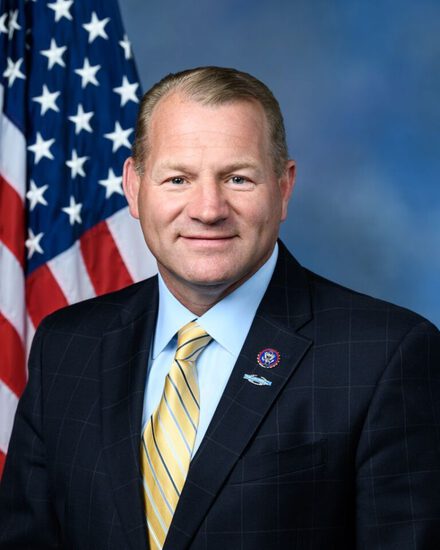
Rep. Troy E. Nehls
Sponsored bills
Maddy summaryHRES 1395 is a non-binding House resolution expressing concern that the U.S. is being outpaced by China and Russia in nuclear energy production and global market share. It cites statistics showing China has 56 operational reactors (vs. the U.S.'s 94, including retired ones) and is actively constructing more, while the U.S. has no reactors under construction. The resolution states it is "unacceptable" that the U.S. is no longer dominant in nuclear energy and urges expanding domestic nuclear capacity and supply chains. As a symbolic resolution, it does not create new laws or funding but highlights perceived strategic competition in nuclear technology.
Maddy summaryHRES 1394 is a non-binding resolution celebrating the U.S.-India partnership based on shared democratic values, religious pluralism, and human rights, while highlighting the contributions of the Indian diaspora in the United States. It specifically recognizes the 50th anniversary of BAPS Swaminarayan Sanstha's community work, including its spiritual centers (mandirs) and volunteer efforts across the country. The resolution does not create legal obligations but formally acknowledges these ties and achievements.
Maddy summaryHR 9202, the Nuclear Waste Reprocessing Act, directs the U.S. Department of Energy to create policies supporting the commercial recycling of spent nuclear fuel. It requires the Energy Secretary to work with private industry to advance reprocessing technologies, establish partnerships for research and commercialization, and collaborate with the Nuclear Regulatory Commission to align procedures. The bill mandates annual progress reports to Congress on efforts to develop this technology, aiming to address nuclear waste challenges and position the U.S. as a leader in international reprocessing. It directly affects federal agencies, nuclear energy companies, and the management of nuclear waste materials. The key change is shifting focus toward recycling nuclear fuel components rather than solely storing spent fuel as waste.
Maddy summaryThis bill requires the U.S. Energy Secretary to conduct a comprehensive evaluation of the domestic nuclear supply chain within 270 days of enactment. The evaluation must assess regulatory hurdles (like N-stamp certification for safety components), explore how advanced technologies (such as 3D printing and AI) could improve efficiency, analyze U.S.-Canada collaboration, and plan for future demand from advanced nuclear reactors. It directly affects nuclear energy companies, manufacturers, and regulators by mandating a federal review to identify supply chain bottlenecks and opportunities for modernization. The bill does not change existing regulations or funding but sets the stage for potential future policy decisions based on the evaluation’s findings.
Maddy summaryThis bill (HR 9198) updates nuclear licensing rules to require the Nuclear Regulatory Commission (NRC) to use risk-informed and performance-based approaches when making decisions about nuclear facility operations. It amends existing law to define "technology-inclusive regulatory framework" to align with a 1999 NRC document (SRM-SECY-98-144) and mandates annual NRC staff training on these concepts. The bill also includes a non-binding congressional statement emphasizing the importance of shared understanding between the NRC and nuclear industry regarding these regulatory methods. It directly affects NRC staff, nuclear facility operators, and the licensing process for nuclear energy projects.
Maddy summaryHR 9199 limits the scope of reviews conducted by the Advisory Committee on Reactor Safeguards (ACRS) under the Atomic Energy Act. It restricts ACRS to only reviewing nuclear license applications involving novel issues or significant safety concerns, based on risk assessments by the committee. The bill also removes ACRS reviews from the Nuclear Regulatory Commission's (NRC) annual fee calculations for license applications. This directly affects the NRC's process for handling license applications and the fee structure for nuclear facility operators seeking approvals.
Maddy summaryThe Nuclear USA Act of 2024 expands tax incentives for nuclear energy infrastructure by amending two key tax provisions. It adds uranium conversion, enrichment, fabrication, and spent fuel reprocessing to the list of qualifying projects under Section 48C of the tax code, directly benefiting companies building or upgrading facilities for these activities. The bill also specifically includes uranium in the advanced manufacturing credit (Section 45X), allowing companies to claim both credits for the same facility - a "double benefit" provision. These changes aim to encourage domestic investment in nuclear fuel supply chains without altering regulatory requirements or imposing new government mandates.
Maddy summaryThe SAVE Act (HR 8281) requires U.S. citizens to provide documentary proof of citizenship when registering to vote in federal elections. It defines acceptable proof as documents like passports, REAL ID-compliant IDs, military IDs, or birth certificates, and mandates that states verify citizenship using information from government agencies like DHS and Social Security. States must establish processes for voters without required documentation to provide an attestation under penalty of perjury. The law also requires states to remove noncitizens from voter rolls when verified evidence shows they're not citizens. This bill directly affects all applicants registering to vote in federal elections and state election officials who must implement these requirements.
Maddy summaryHRES 1365 is a non-binding House resolution calling for the immediate termination of Kimberly Cheatle as U.S. Secret Service Director. It directly addresses the Secret Service Director and the executive branch, though it has no legal force to remove her from office. The resolution’s sole provision is a formal request for her termination, reflecting the sponsors' position on her leadership. As a symbolic gesture, it does not change her employment status or require any action from the President or Secret Service.