

Maddy summaryHR 7034 would remove the current $250,000 (single filers) and $500,000 (married couples) tax exclusion limit for capital gains when selling a primary residence. This change would allow all homeowners to exclude their full profit from federal income tax upon selling their main home, regardless of the sale price. The bill amends Section 121 of the Internal Revenue Code to eliminate the dollar caps and adjusts related provisions to reflect this change. It directly affects homeowners who sell their primary residence, making the tax exclusion fully unlimited for qualifying sales after the bill's enactment.
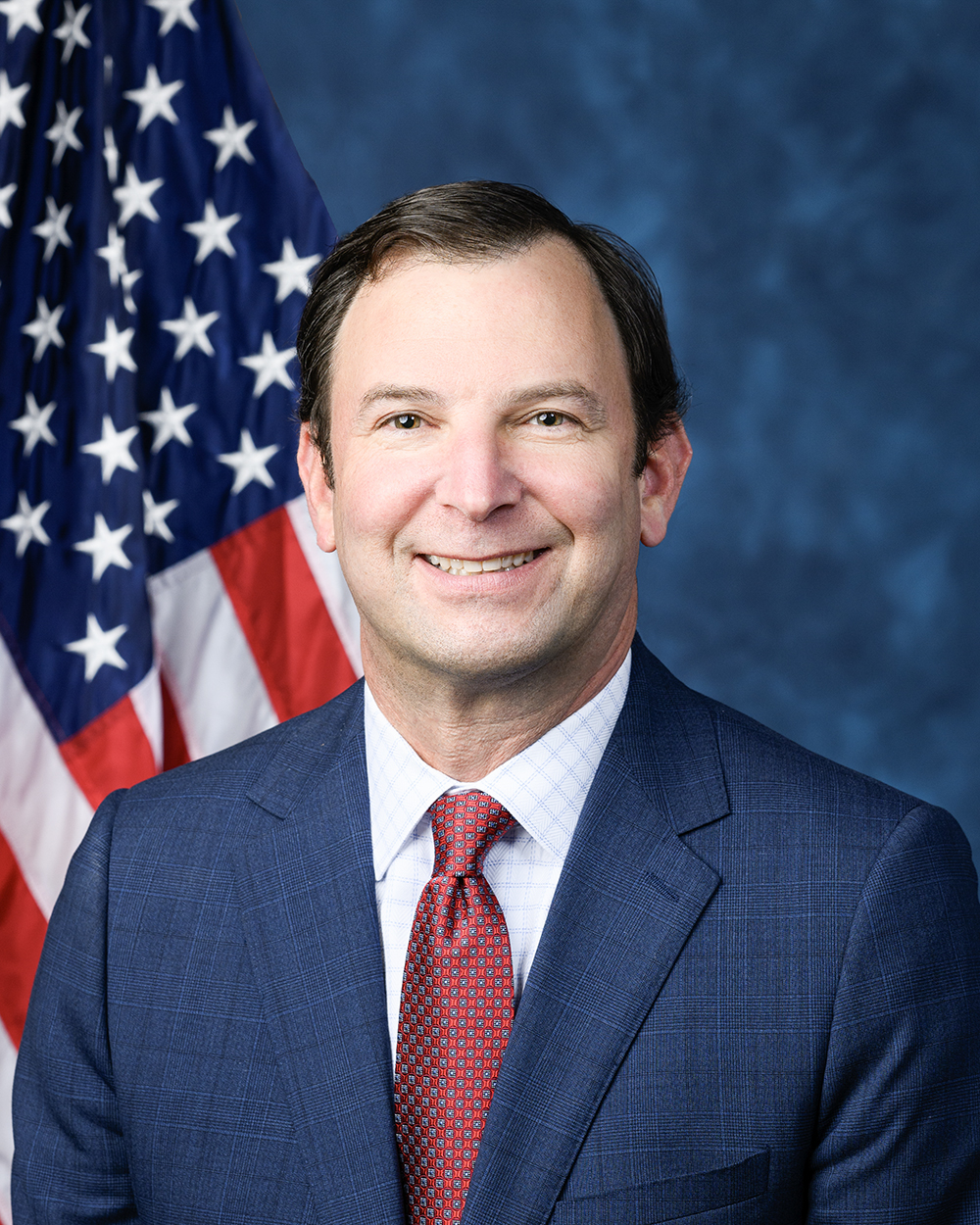
Rep. Craig A. Goldman
Sponsored bills
Maddy summaryThe Renewed Hope Act (HR 6998) requires the Department of Homeland Security to hire 200 new staff, including 40 forensics analysts and 30 child exploitation investigators for the Victim Identification Laboratory, plus 130 additional personnel for the Child Exploitation Investigations Unit, to improve identification and rescue efforts for victims of child sexual exploitation. It establishes a mandatory training program for law enforcement and related organizations to use updated victim identification techniques and mandates coordination between DHS and the National Center for Missing and Exploited Children to streamline investigations. The bill also includes strict privacy rules to secure victim information and allows temporary hiring of experts for forensic analysis at specified rates.
Maddy summaryHR 909, the Crime Victims Fund Stabilization Act of 2025, modifies how funds from the False Claims Act are deposited into the Crime Victims Fund. It specifies that from 2025 through 2029, certain False Claims Act proceeds (specifically those for qui tam plaintiff payments and government damage reimbursements) cannot be deposited into the fund. This change directly affects the composition of the Crime Victims Fund by excluding these specific revenue streams during the specified period. The bill does not create new benefits or alter victim services; it only adjusts fund allocation rules for existing False Claims Act revenues.
Maddy summaryThis bill repeals federal energy efficiency standards for manufactured housing that were set to take effect in 2022. It specifically nullifies a Department of Energy rule published in May 2022, removing requirements for energy conservation in manufactured homes. The change directly affects manufacturers and buyers of manufactured housing by eliminating these new efficiency mandates. The bill does not establish new standards but removes existing ones from the Energy Independence and Security Act of 2007.
Maddy summaryThis bill allows groups of small businesses or self-employed individuals to form a single health plan that treats all members as one employer for coverage purposes. It directly affects small business associations and self-employed people who can join such groups to access pooled health coverage, provided they meet specific requirements (e.g., 51+ total employees, 2+ years in existence, no health-based discrimination). Key mechanisms include permitting modified community rating for premiums (based on pooled claims) while prohibiting health status-related discrimination in enrollment, premiums, or pre-existing condition coverage. The plan remains subject to federal ERISA rules, and self-employed members must meet defined criteria to participate as both employers and employees.
Miracle on Ice Congressional Gold Medal Act This act provides for the award of Congressional Gold Medals to the members of the 1980 U.S. Olympic men's ice hockey team in recognition of the team's achievement at the 1980 Winter Olympic Games.
Maddy summaryThis bill establishes new requirements for pharmacy benefit managers (PBMs) working with Medicare Part D prescription drug plans and Medicaid programs. It mandates that PBMs pay pharmacies a specific reimbursement amount based on drug acquisition costs plus a fixed fee, pass through manufacturer rebates directly to beneficiaries at the point of sale, and prohibits steering practices that direct patients to specific pharmacies. The bill applies to Medicare Part D plans and Medicaid managed care organizations beginning January 1, 2027, affecting how PBMs interact with pharmacies and handle drug rebates. Violations could result in criminal penalties of up to $1 million or 10 years in prison for willful noncompliance. The bill aims to increase transparency and fairness in pharmacy drug pricing for Medicare and Medicaid beneficiaries.
Maddy summaryThe Kids Internet Safety Partnership Act establishes a new program within the Commerce Department to improve online safety for children under 18. The program will work with parents, educators, online platforms, and experts to identify risks and benefits of digital services for minors, then develop practical safety guidelines. Within two years, it will publish a detailed guide for platforms on implementing features like age verification, parental controls, and design changes that reduce addictive elements (e.g., endless scrolling). The program will also release regular reports tracking how well platforms adopt these safety measures. The initiative will end after five years.
Maddy summaryHR 6259, the "No Fentanyl on Social Media Act," requires the Federal Trade Commission (FTC) to produce a detailed report within one year of enactment. The report must examine how minors access fentanyl (including pressed pills) through social media platforms, covering sellers' methods, health risks, platform design impacts, and current measures by platforms, law enforcement, and medical professionals. It specifically asks for recommendations to reduce this access and mandates consultation with stakeholders like parents and medical experts. The bill does not ban fentanyl sales or create new penalties; it solely focuses on gathering information to inform future policy.
Maddy summaryHR 5360, the AWARE Act, requires the Federal Trade Commission (FTC) to create and publish public educational resources about AI chatbot safety within 180 days of the bill becoming law. These resources will specifically help parents, educators, and minors (under age 18) understand safe AI chatbot use, including how to identify risks, privacy practices, and supervision strategies. The FTC must model these materials after its existing Youville program. The bill defines "AI chatbot" as consumer-facing interactive AI systems but does not regulate or restrict chatbot development or use.