

Maddy summaryThe Cutting LNG Bunkering Red Tape Act clarifies that refueling vessels with LNG as marine fuel in U.S. waters does not count as an export under the Natural Gas Act. This means LNG fuel suppliers and shipping companies operating in U.S. territorial seas or inland waters no longer need an export license for these transactions. The bill specifically states that such refueling is not an export unless the transfer occurs in foreign territorial waters, regardless of vessel flags or registry. This change directly reduces regulatory barriers for domestic LNG bunkering operations.
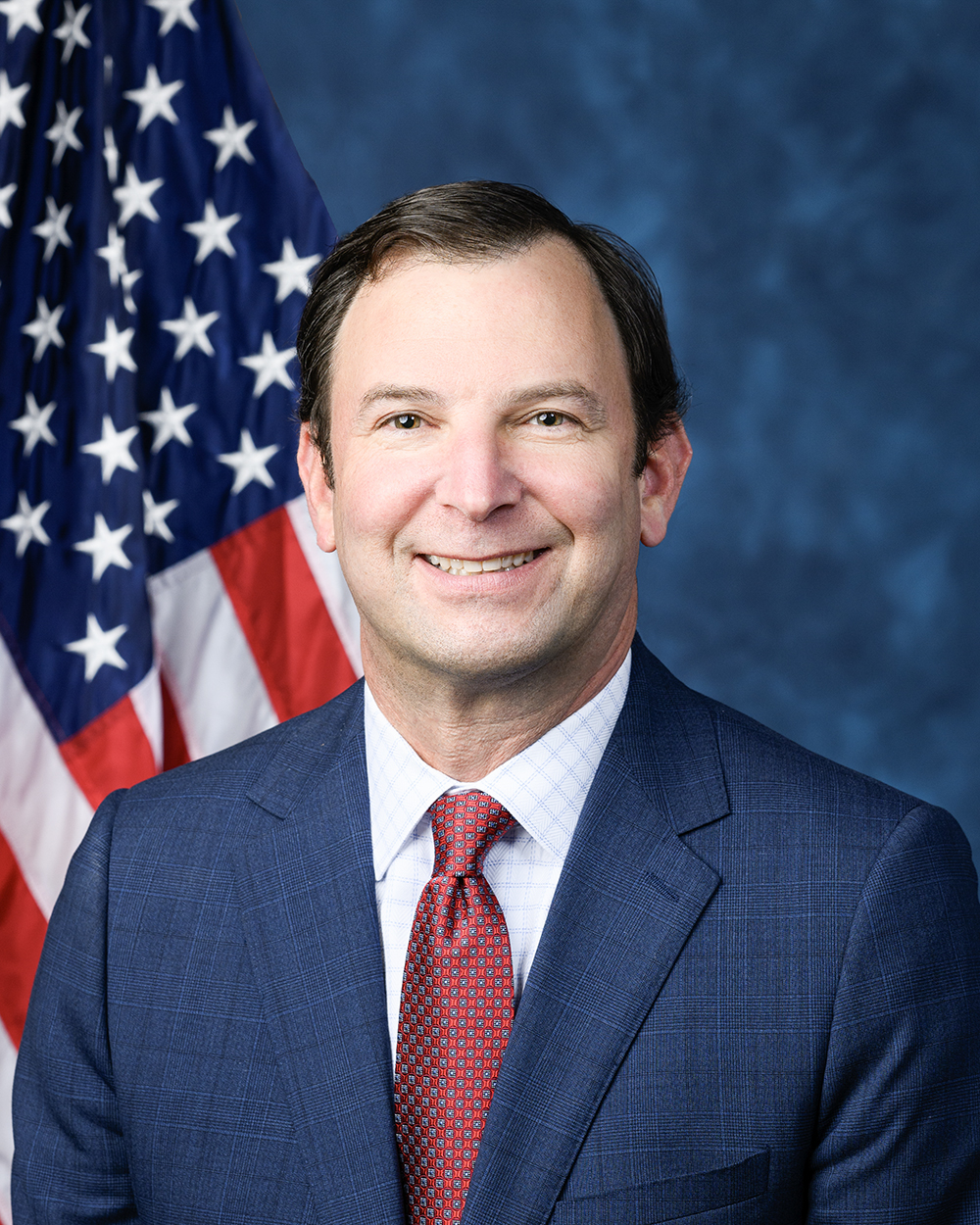
Rep. Craig A. Goldman
Sponsored bills
Maddy summaryThis bill (HR 4677) renames a U.S. Postal Service facility in Amarillo, Texas (located at 505 East 9th Avenue) as the "Mayor Jerry H. Hodge Post Office Building" to honor the late mayor. It updates all official U.S. government references to the building to reflect this new name. The bill has no policy impact beyond this ceremonial designation and affects no specific legislation or funding.
Maddy summaryThis bill modernizes the process for seasonal agricultural workers who need commercial driver's licenses (CDLs). It requires the Transportation Secretary to create online systems for easy license renewal (Section 2(a)) and clarifies that farm equipment like tractors and harvesters ("implements of husbandry") are not subject to commercial vehicle weight calculations (Section 2(b)). It directly affects farm-related service industries and their seasonal employees who operate restricted CDL vehicles. The changes simplify administrative processes and remove regulatory barriers for agricultural operations.
Maddy summaryHR 4335, the Abraham Accords Defense Against Terror Act, streamlines U.S. defense exports to countries that have normalized relations with Israel (via the Abraham Accords) and cooperate with the U.S. on countering Iran and Iran-aligned threats in the Middle East and North Africa. The bill authorizes the Secretary of State to identify qualifying countries and fast-tracks approval for military sales, leases, or transfers to them, requiring a 15-day congressional notification with specific safeguards. Key safeguards include ensuring sensitive U.S. technology isn’t shared with China or Russia and mandating regular strategy reports to Congress on implementation, threat assessments, and pending defense deals over $25 million. This directly affects participating Middle Eastern nations and U.S. defense export processes, aiming to accelerate security cooperation without altering Israel’s military edge. The bill focuses on procedural changes to expedite defense cooperation, not on new funding or policy outcomes.
Maddy summaryThe Defending American Property Abroad Act of 2025 protects U.S. property interests in Western Hemisphere countries with U.S. free trade agreements. It requires the Secretary of Homeland Security to identify and list ports, harbors, or marine terminals where a foreign government has nationalized, expropriated, or seized U.S.-owned land (since January 2024) through actions like contract repudiation or forced control. Once listed, the President must prohibit vessels using these sites from importing goods, docking passenger vessels, or conducting maintenance in the United States. This directly affects U.S. persons (citizens or businesses) with property in designated locations.
Maddy summaryHR 1919, the "Anti-CBDC Surveillance State Act," prohibits the Federal Reserve from developing, testing, or issuing any central bank digital currency (CBDC) or similar digital assets. It specifically bans the Fed from offering direct financial products to individuals, maintaining individual accounts, or issuing CBDCs directly or indirectly through intermediaries like banks. The bill also blocks the Fed from using any digital asset for monetary policy and clarifies that physical currency's privacy protections remain intact. This policy directly affects the Federal Reserve System's ability to create or manage digital monetary tools.
Maddy summaryHR 4474, the Equal Shot Act of 2025, prohibits the Small Business Administration (SBA) from denying financial assistance - such as loans or guarantees - to firearm businesses solely because of their industry. It directly affects firearm manufacturers, distributors, trade associations, and affiliated entities like shooting ranges or training providers. The bill requires the SBA to treat these applicants equally under existing law, removing any policy that would block them based on their connection to firearms. This is a concrete policy change ensuring firearm-related businesses have the same access to SBA programs as other eligible applicants.
Maddy summaryHR 4363, the Defend Girls Athletics Act, requires public K-12 schools and colleges to certify annually that they comply with Executive Order 14201, which mandates keeping men out of women's sports. Schools must submit written compliance certifications by August 15 each year (for K-12) or July 1 (for colleges), with states reporting non-compliant agencies to the federal government. Schools or colleges failing to certify or violating the rule risk losing federal education funding, including returning unobligated funds and becoming ineligible for future federal support. The bill directly affects all public schools and colleges receiving federal education funds by tying their eligibility to adherence to this sports participation requirement.
Maddy summaryHR 4370, the SAMS Act of 2025, codifies five existing executive orders into law to strengthen U.S. mineral supply chains. It gives legal force to orders focused on securing critical minerals (like lithium and rare earths) for national security and economic resilience, directly affecting federal agencies implementing these strategies. Key provisions require agencies to follow these established policies - addressing reliance on foreign mineral sources, supporting domestic mining, and prioritizing national security in mineral processing - without creating new regulations. The bill does not alter current mineral policies but formally enshrines them as binding federal requirements.
Maddy summaryHRES 570 is a House resolution commending Petty Officer 3rd Class Scott Ruskan for rescuing 165 people during catastrophic July 2025 flooding in central Texas. The resolution honors Ruskan, a Coast Guard Aviation Survival Technician from Air Station Corpus Christi, for his role as the sole triage coordinator during the disaster. It recognizes his "exceptional courage" and "selflessness" in saving lives during the Guadalupe River flooding that caused extensive damage and loss of life. As a ceremonial resolution, it does not create new laws or policies but formally expresses the House's gratitude for Ruskan's service.