

Maddy summaryHR 734, the Protection of Women and Girls in Sports Act of 2023, amends Title IX to prohibit federally funded schools and athletic programs from allowing individuals assigned male at birth to participate in women's or girls' sports teams. The bill defines "sex" for this purpose as "reproductive biology and genetics at birth," making it a violation of federal law to permit such participation in designated women's or girls' programs. It allows males to train with women's teams only if no female is deprived of a roster spot, competition opportunity, scholarship, or other benefit tied to the team. This law directly affects public and private schools receiving federal financial assistance that operate athletic programs.
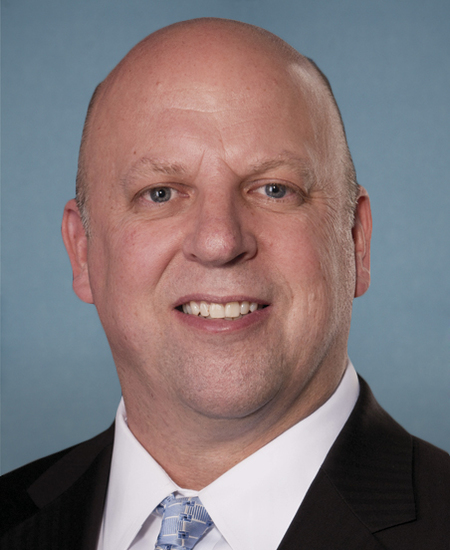
Rep. Scott DesJarlais
Sponsored bills
Maddy summaryHR 2800, the Master Sergeant Roddie Edmonds Congressional Gold Medal Act, authorizes a posthumous Congressional Gold Medal to honor Master Sergeant Roddie Edmonds for his actions during World War II. The bill directs the Treasury Secretary to strike a gold medal commemorating Edmonds' bravery, specifically his defiance of Nazi orders to separate Jewish-American prisoners at Stalag IX-A, which saved approximately 200 lives. The medal will be presented to Edmonds' son, Pastor Christopher Waring Edmonds, or his next of kin, with bronze duplicates available for sale to cover costs. This is a commemorative measure recognizing Edmonds' service, not a policy change affecting current legislation or programs.
Maddy summaryHR 2743 prohibits large financial institutions (over $100 billion in assets) from denying banking services to lawful businesses based on subjective political reasons, industry type, or reputational concerns. It requires these institutions to use objective, risk-based assessments for service decisions and provide written justifications for denials. The law applies to banks, credit unions, and payment networks, with civil penalties for violations including fines up to $10,000 per incident. It specifically ensures businesses operating legally under federal law receive fair access to financial services without discrimination. The bill mandates that denials be based on documented risk factors, not political bias or category-based exclusion.
Homeland and Cyber Threat Act or the HACT Act This bill allows claims in federal or state court against foreign states that conduct or participate in cyberattacks against U.S. nationals.
Maddy summaryHR 2693, the Pay Our Coast Guard Parity Act of 2023, ensures Coast Guard members, civilian staff, and qualifying contractors receive pay and benefits during specific funding gaps. It requires Congress to appropriate funds for Coast Guard personnel pay, allowances, and key benefits (like death gratuities and housing allowances) if a Coast Guard-specific funding lapse occurs - when Coast Guard funding isn’t approved before a fiscal year starts but Department of Defense funding is. The bill mandates these payments continue until a full appropriation is enacted or for up to two weeks after the lapse begins, with costs charged to future appropriations. This addresses a gap in funding continuity for Coast Guard personnel during government shutdowns affecting only the Coast Guard.
Maddy summaryThis bill increases the maximum number of judges allowed on the United States Court of Appeals for Veterans Claims from seven to nine. It directly affects the court's staffing capacity by amending Section 7253(a) of Title 38, U.S. Code. The key mechanism is a simple numerical change in the statute, requiring no new procedures or funding. This adjustment aims to help the court manage its caseload more effectively. (1 sentence, as it is a procedural amendment to staffing limits.)
Maddy summaryThis bill amends veterans' burial benefit rules to include veterans who die at home while receiving hospice care through the Department of Veterans Affairs (VA). It directly affects veterans who were in VA hospice care at home and had previously received VA hospital or nursing home care. The key change adds a new eligibility category, allowing burial allowances for these veterans if their hospice care followed VA hospital or nursing home care. This expands existing benefits without changing benefit amounts or creating new costs. The amendment retroactively applies to the 2020 law that originally created the related provisions.
Maddy summaryHJRES 27 is a congressional resolution seeking to block a federal rule that redefined which waterways fall under the Clean Water Act's protections. It targets a rule submitted by the Army Corps of Engineers, Department of Defense, and Environmental Protection Agency (EPA) on January 18, 2023, which aimed to revise the "Waters of the United States" definition. The resolution would formally disapprove this rule under a specific federal procedure (Chapter 8 of Title 5), preventing it from taking effect. This would directly affect how federal agencies regulate pollution and development near water bodies, including wetlands and smaller streams.
Protecting Horses from Soring Act of 2023 This bill revises requirements concerning the inspection of horse shows, exhibitions, sales, and actions for sored horses (e.g., horses suffering from pain when moving due to substances or devices placed on their limbs). Specifically, this bill replaces a requirement for the Department of Agriculture to prescribe regulations governing the appointment of inspectors with a requirement for the Horse Industry Organization, which is established by this bill, to appoint inspectors.
Maddy summaryThe PLUS for Veterans Act of 2023 clarifies and updates rules for veterans' benefit claims under the Department of Veterans Affairs. It sets a $12,500 annual fee cap (adjusted for inflation) for agents or attorneys representing veterans, prohibits charging fees for medical exams, and prohibits unauthorized fees with penalties including fines or up to one year in prison. The bill directly affects veterans seeking benefits, their legal representatives, and the VA by standardizing fee agreements, requiring VA reports on agent/attorney suspensions, and ensuring veterans can access free services from VA-recognized organizations. Key provisions include banning fees for medical reports and requiring clear fee disclosures to veterans.