

Benton MacKaye National Scenic Trail Act of 2023 This bill designates the Benton MacKaye Trail as the Benton MacKaye National Scenic Trail and adds the trail to the National Trails System. This trail extends approximately 287 miles across Georgia, Tennessee, and North Carolina.
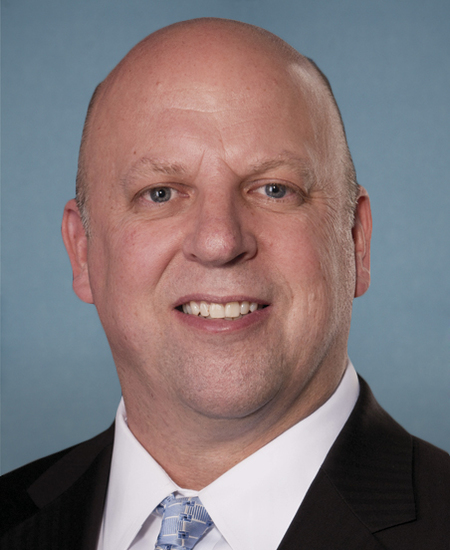
Rep. Scott DesJarlais
Sponsored bills
Maddy summaryHR 3036, the Increased TSP Access Act of 2023, amends conservation program rules to expand access to third-party providers (TSPs) who offer technical assistance to farmers on conservation practices. It creates new pathways for non-Federal entities like agricultural cooperatives or professional associations to certify TSPs, streamlines certification processes (requiring Secretary review within 10 business days), and sets payment rates for TSPs equivalent to government-provided technical assistance. The bill mandates public reporting on certification numbers, payment details, and a target utilization rate for TSPs to improve conservation program delivery. It directly affects farmers participating in USDA conservation programs by increasing options for technical support and requiring transparency in how TSPs are certified and compensated.
Maddy summaryThe ADA Improvement Act of 2023 requires that before filing a lawsuit under the Americans with Disabilities Act (ADA), a plaintiff must first provide written notice of an alleged violation to the defendant via registered mail. This notice must specify the location, date, and nature of the violation, and the plaintiff must wait 30 days for the defendant to correct the issue before suing. The law applies to most ADA-related civil actions but excludes emergency cases seeking immediate court orders to stop ongoing violations. This change aims to give businesses a chance to address accessibility problems before legal action begins.
Maddy summaryThis bill, HR 3458 (Reinstate Our Troops Act), provides relief to military service members who were involuntarily separated solely for refusing COVID-19 vaccinations. It requires military leaders to reinstate eligible service members to their previous rank within 30 days of their request (made within one year of the law's passage), return any bonuses they repaid due to separation, and change their discharge status to "honorable" if they don't seek reinstatement. It also mandates expunging records of the vaccination refusal from their service files. The bill requires the Secretary of Defense to report on implementation to Congress within 60 days.
Maddy summaryHR 3492, the Gun Owner Registration Information Protection Act, prohibits federal agencies from funding or supporting state databases that track lawfully owned firearms or their owners. This directly affects states maintaining such databases, requiring them to cover costs themselves if they choose to keep these systems operational. The bill allows federal funding for databases tracking lost or stolen firearms, as specified in the exception. The key policy change is blocking federal financial support for databases compiling information on legal gun ownership, without banning the databases outright.
Maddy summaryHR 3238, the Affordable Housing Credit Improvement Act of 2023, updates the Low-Income Housing Tax Credit (LIHTC) program to increase the availability of affordable housing across the United States. The bill makes several key changes including increasing state funding formulas, modifying tenant eligibility rules to better serve vulnerable populations (such as domestic violence victims and students), and expanding credit eligibility for projects in rural and Native American communities. Specific provisions raise the credit for properties serving extremely low-income households, clarify rules around tenant income increases, and require housing providers to protect victims of domestic violence. The bill also updates terminology from "low-income" to "affordable" throughout the tax code and enhances program transparency through data sharing requirements. These changes aim to make the LIHTC program more effective at creating and preserving affordable housing units for low-income households nationwide.
Stopping Illicit Fentanyl Trafficking Act of 2023 or the SIFT Act of 2023 This bill permanently adds five fentanyl analogues and the entire category of fentanyl-related substances to schedule I of the Controlled Substances Act. A schedule I controlled substance is a drug, substance, or chemical that has a high potential for abuse; has no currently accepted medical value; and is subject to regulatory controls and administrative, civil, and criminal penalties under the Controlled Substances Act. Fentanyl-related substances are currently regulated under schedule I through a temporary order issued by the Drug Enforcement Administration. The temporary order expires on December 31, 2024. The bill also creates a process to remove from schedule I certain fentanyl-related substances that do not have a high potential for abuse.
This resolution expresses U.S. support for Israel and its efforts to defend its right to existence. The resolution also declares that the United States and international community must prevent Iran from acquiring or building nuclear weapons.
Maddy summaryThe Employee Rights Act (HR 2700) amends key labor laws to strengthen employee rights in collective bargaining and privacy. It requires employers to use secret ballot elections for selecting bargaining representatives and to provide labor organizations with voter lists containing employee names and one form of contact information (chosen by the employee) within two business days of an election. The bill prohibits employers from using employee personal information for non-organizing purposes and mandates written authorization for using union dues on non-bargaining activities, with authorizations expiring after one year. Additionally, it clarifies joint employment standards to prevent misclassification and adds tribal sovereignty protections to labor law definitions.
This bill prohibits the Federal Housing Finance Agency, the Federal National Mortgage Association (Fannie Mae) and the Federal Home Loan Mortgage Corporation (Freddie Mac) from implementing their January 2023-announced changes to the single-family pricing framework for fees on purchase, rate-term refinance, and cash-out refinance loans. The changes revise the fee charts that provide percentage adjustments based on a borrower's credit score and other factors.