

Preserving Safety Net Integrity Act of 2023 This bill enacts with the force and effect of law the final rule of the Department of Homeland Security titled Inadmissibility on Public Charge Grounds and published on August 14, 2019. The bill also nullifies the final rule issued by DHS titled Public Charge Ground of Inadmissibility and published on September 9, 2022. The 2019 final rule made it more likely that a non-U.S. national ( alien under federal law) would be denied admission or lawful permanent resident status because that individual is likely to become a public charge (i.e., receive certain public benefits). The 2022 final rule nullified the 2019 final rule.
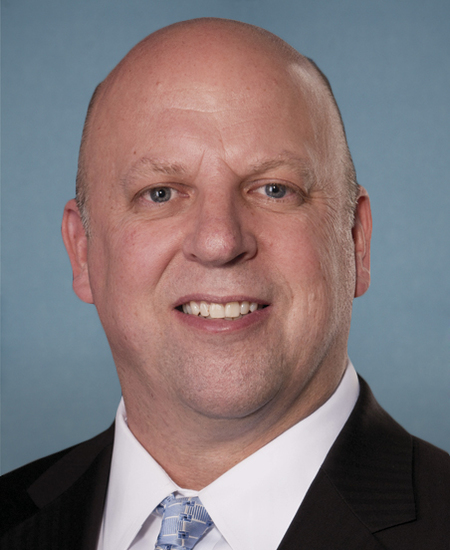
Rep. Scott DesJarlais
Sponsored bills
Build the Wall and Fight Fentanyl Act of 2023 This bill establishes accounts to fund the construction of physical barriers along the U.S. southern border and to provide grants to address fentanyl abuse. These accounts shall be funded from the sale of assets belonging to cartels that have been seized by the Drug Enforcement Administration, U.S. Immigration and Customs Enforcement, or U.S. Customs and Border Protection. The bill defines cartel as (1) an organization with operations in Mexico and the United States designated as a significant transnational criminal organization; (2) certain named organizations, such as the Sinaloa Cartel and the Juarez Cartel; and (3) other organizations as designated by the President.
Maddy summaryHR 3933, the TAP Promotion Act, requires standardized presentations about Veterans Affairs (VA) benefits during military transition counseling for service members separating from the armed forces. These presentations must be approved by the VA, delivered by authorized veterans service organizations (VSOs), and include information on how VSOs assist with VA claims - without encouraging membership in specific organizations. The bill mandates a one-hour limit per presentation and requires the VA to submit annual reports to Congress detailing which VSOs presented, attendance numbers, and recommendations for improvement. This policy directly affects service members preparing for civilian life and the VSOs providing these transition resources.
Maddy summaryThis bill directs the U.S. Treasury to mint commemorative coins marking the Marine Corps' 250th anniversary in 2025. It authorizes three coin types: $5 gold coins (max 50,000), $1 silver coins (max 400,000), and half-dollar coins (max 750,000), with surcharges of $35, $10, and $5 respectively. The surcharge proceeds will fund the Marine Corps Heritage Center's educational programs, with no net cost to taxpayers as the Treasury must recover all minting costs through the surcharges. The coins can only be issued during 2025, and the Treasury must ensure all costs are covered before distributing funds to the Heritage Foundation.
Maddy summaryHR 4860, the PROTECT the Second Amendment Act, prevents landlords in specific federally assisted housing from banning or restricting residents' lawful possession of firearms in their private units or during travel between units and common areas. It directly affects tenants in housing funded by HUD or USDA programs, including public housing, Section 8 vouchers, and housing for veterans or people with disabilities. The bill prohibits landlords from imposing firearm bans or additional conditions on residents who lawfully carry firearms within their dwelling units or while moving through common areas to reach their units. This changes current policies in these housing programs by explicitly allowing firearm possession where state law permits.
Maddy summaryThis bill, HR 1282 (Major Richard Star Act), expands benefits for certain military retirees by allowing them to receive both veterans' disability compensation and military retirement pay simultaneously. It specifically affects combat-related disabled retirees under Chapter 61 of the military retirement system who have fewer than 20 years of service. The key change removes the automatic reduction of military retirement pay when these retirees also receive disability compensation, as amended in Section 1413a(b)(3) of Title 10. Technical updates to the law’s structure and effective date (starting after enactment) complete the provisions.
This resolution expresses the sense of the House of Representatives that research and promotion boards support efforts to develop new markets and strengthen existing markets via research, education, and promotion.
Maddy summaryHJRES 44 is a congressional resolution seeking to block a 2021 rule by the Bureau of Alcohol, Tobacco, Firearms, and Explosives (ATF). The rule classified firearms with stabilizing braces as "short-barreled rifles," which would have required additional licensing and regulation. This resolution uses a specific legal process (under Title 5, U.S. Code) to formally disapprove the ATF rule, meaning the rule would no longer be in effect. It directly affects firearm owners, manufacturers, and dealers who would have been subject to the rule’s requirements.
Maddy summaryHJRES 45 is a congressional disapproval resolution targeting a specific Department of Education rule about federal student loans. It seeks to block the rule implementing "One-Time Federal Student Loan Debt Relief" (including modifications to Perkins, FFEL, and Direct Loan programs) by invoking the Congressional Review Act. If passed, this resolution would nullify the rule, preventing the Department of Education from using it to modify or waive student loan obligations. The bill directly affects borrowers who might have qualified for debt relief under the targeted rule.
Maddy summaryHR 277 would require Congress to approve major federal regulations before they take effect. Major rules are defined as those with significant economic impact ($100 million+ annually), major cost increases for consumers or industries, or significant adverse effects on competition, employment, or innovation. Agencies must submit detailed information about these rules to Congress, including cost-benefit analyses, before they can take effect. Congress would have 70 session days to approve the rule with a joint resolution; if they don't act within that timeframe, the rule would not take effect. This would increase congressional oversight of federal regulations and require more detailed information about proposed rules before they become law.