

Maddy summaryHRES 768 is a symbolic House Resolution expressing congressional support for Israel following Hamas' October 7, 2023 attacks. It condemns Hamas' actions, reaffirms Israel's right to self-defense, and calls for the immediate release of hostages. The resolution references the U.S. commitment to Israel's security through existing military aid programs, including the 2016 U.S.-Israel Memorandum of Understanding, and emphasizes enforcement of laws like the Taylor Force Act to prevent U.S. aid from reaching terrorist groups. As a symbolic resolution, it does not create new policy but serves as a statement of congressional support for Israel.
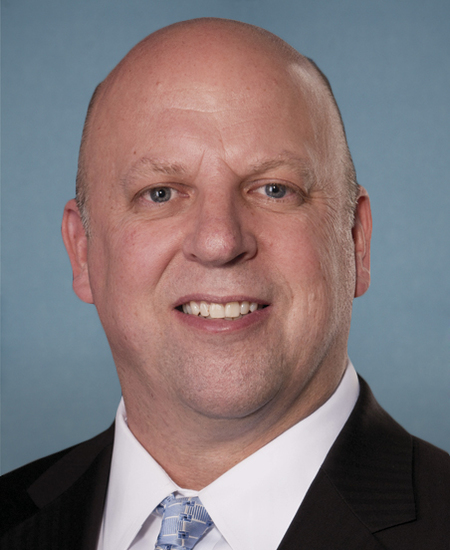
Rep. Scott DesJarlais
Sponsored bills
Maddy summaryThis bill prohibits U.S. federal funds from supporting any programs, projects, or activities in Palestinian-controlled areas of Judea and Samaria or Gaza. It requires the President, through the Secretary of State, to certify in writing to Congress that Hamas and Hezbollah have agreed to a permanent cessation of hostilities before such funding can resume. The legislation directly affects U.S. aid programs in these specific territories, halting all federal financial support until the certification is provided. The bill does not alter existing funding for other regions but ties aid to a specific security condition.
Maddy summaryHR 5110, the Protecting Hunting Heritage and Education Act, amends the Elementary and Secondary Education Act of 1965 to clarify that federal education funds cannot be used for certain weapons - but this restriction does not apply to archery, hunting, or other shooting sports training programs. The bill directly affects schools and educational programs seeking to use federal funds for these specific activities, such as archery clubs or hunting safety education. It adds an explicit exception to the existing prohibition, allowing funds to support "educational instruction or enrichment activities" in these sports under authorized programs. This change removes ambiguity about funding eligibility for such educational initiatives in K-12 schools.
Maddy summaryHR 5641, the Pay Our Troops Act, ensures military personnel and their support staff continue receiving pay during fiscal year 2024 if Congress fails to pass regular budget appropriations. It appropriates existing Treasury funds to cover pay and allowances for active-duty troops, reserve components, and civilian employees or contractors supporting military operations. The bill automatically terminates on January 1, 2025, or earlier if Congress enacts a regular budget or continuing resolution. This provision directly affects service members, Department of Defense staff, and Coast Guard personnel (when not under the Navy) during budget implementation gaps.
Maddy summaryThis bill amends the Public Health Service Act to improve how the Organ Procurement and Transplantation Network (OPTN) is operated. It changes the contracting process by allowing the Secretary to award grants, contracts, or cooperative agreements to public or private entities for the OPTN, with specific provisions to ensure distinct operations for the network and its governing board. The bill also includes technical corrections to existing law and requires a GAO review of the OPTN's historical financing within two years of enactment. This legislation directly affects the organizations and processes managing organ donation and transplantation in the United States.
Maddy summaryHR 5438, the Nuclear Forensics Authority Realignment Act, establishes a new National Nuclear Forensics Center within the National Nuclear Security Administration (NNSA) to coordinate federal efforts in analyzing nuclear materials to trace attacks or terrorism. The bill repeals the previous Nuclear Forensics and Attribution Act and updates references in the Homeland Security Act to align with the new NNSA center. It requires the NNSA Administrator to develop a plan within one year to expand university programs for building nuclear forensics expertise. This reorganization directly affects NNSA, federal agencies handling nuclear security, and the technical capabilities used to investigate nuclear incidents.
Maddy summaryHRES 651 is a non-binding House resolution condemning the Department of Education's decision to restrict funding for school archery and hunting programs under the Elementary and Secondary Education Act (ESEA) of 1965. It explicitly affirms that such programs - which teach safe firearm handling, environmental stewardship, and focus - are eligible for federal funding under ESEA. The resolution does not alter existing law but formally opposes the funding restriction and supports these educational initiatives. It directly addresses schools participating in archery/hunting programs that currently face eligibility concerns under ESEA.
This resolution honors and recognizes the patriotism and contributions made by generations of veterans service organizations, veteran advocacy groups, and volunteers and commends the members of such organizations for their dedicated service to members of the Armed Forces, veterans, their families, and their communities. The resolution also encourages the people of the United States to promote awareness of the contributions and dedication of members of veterans service, organizations, veteran advocacy groups, and volunteers to members of the Armed Forces, veterans, and their families. Additionally, the resolution calls on citizens to follow the example of such groups and volunteer support and services to those who have served the country.
Maddy summaryHR 5130, the "Finish It Act," requires the Department of Defense to use stored border wall construction materials (valued at approximately $300 million) for building permanent barriers along the U.S.-Mexico border within 30 days of the bill's enactment. It mandates that states receiving materials certify they will use them exclusively for border barriers, with penalties for unused materials (requiring repayment of the original cost) and imposes a 1% budget cut for every two days of delay in implementation. The bill also demands a detailed report from the Department of Defense within 90 days, including internal communications about storage costs and contracts with private landowners. This legislation directly affects the Department of Defense and border states, focusing on redirecting existing resources rather than creating new funding or construction.
This resolution condemns Iran for the 1988 massacre of political prisoners. It also urges the Biden Administration and U.S. allies to publicly condemn the massacre and to pressure Iran to provide information to the families of the victims.