

Maddy summaryThis bill, titled the Ban Abortion by Mail Act, aims to restrict how abortion medications like mifepristone are prescribed by requiring an in-person visit between the patient and the doctor. It directly affects health care providers who are currently certified by the FDA to dispense these drugs, threatening their certification status if they prescribe them without a physical examination or to patients living in states where the provider lacks a medical license. The legislation mandates that the FDA report annually to Congress on any providers who lose this certification due to violations or unsafe prescribing practices. By enforcing these specific conditions, the bill seeks to ensure that all prescriptions for abortion drugs are administered under strict supervision and within the legal boundaries of the patient's state.
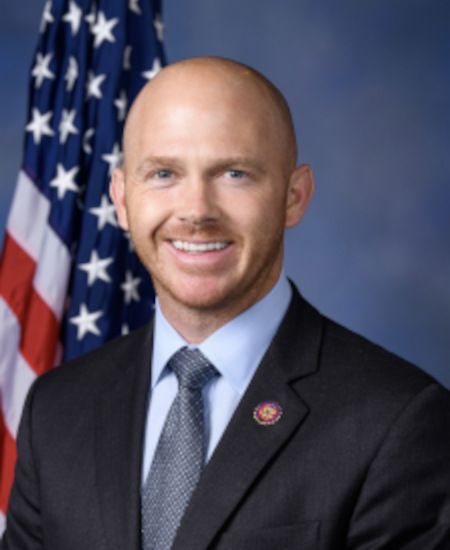
Rep. William R. Timmons IV
Sponsored bills
Maddy summaryThis bill redesignates the existing National Parks and Public Land Legacy Restoration Fund as the America's Legacy Restoration Fund to address deferred maintenance on federal lands. It directs revenue from recreation fees and a portion of energy development income into the fund, which must be used primarily for repairing critical infrastructure like roads, trails, and buildings managed by agencies such as the National Park Service and the Forest Service. The legislation establishes strict rules requiring that most funds go toward non-transportation projects, mandates transparency through public dashboards tracking project status, and sets aside a small percentage for matching private donations. Additionally, the bill increases entrance fees for foreign visitors to ensure they contribute to the fund, while prohibiting the use of these specific funds for land acquisition or employee bonuses.
Maddy summaryHR 941, the Small LENDER Act, creates a 3-year compliance period and a subsequent 2-year penalty-free period for small lenders required to report small business lending data under a new rule. It directly affects financial institutions that originated at least 500 small business loans in each of the previous two years (defined as loans to businesses with under $1 million annual revenue). The bill delays full enforcement of new data reporting requirements, giving lenders time to adjust without penalties during the grace periods. This changes how the Consumer Financial Protection Bureau enforces reporting rules for smaller lenders focused on small business loans.
Repealing Big Brother Overreach Act This bill repeals the Corporate Transparency Act. The act requires existing companies and newly created companies to report beneficial ownership information to the Department of the Treasury’s Financial Crimes Enforcement Network for purposes of addressing the financing of terrorism and money laundering.
Maddy summaryThis bill, known as the Stopping Harmful and Outrageous Torts Act, expands legal protections for firearm manufacturers and sellers by strengthening their immunity from civil lawsuits. It requires courts to immediately dismiss any pending cases against these companies that are based on the criminal or unlawful misuse of a gun by a third party, while also clarifying that sellers are not liable for negligence in entrusting products to others. The legislation further restricts who can file such suits by prohibiting foreign governments from bringing these claims and adding a specific exception for victims under the age of 17, though it maintains immunity for cases involving design or manufacturing defects. Additionally, the bill allows companies to move these cases to federal court and grants them the right to appeal dismissal orders immediately, along with the ability to recover legal fees if they win. Finally, it preempts state and local laws that attempt to impose liability on these entities for the same types of misuse-related harms.
Maddy summaryThe Taxpayer Funds Oversight and Accountability Act aims to improve financial management and accountability across federal agencies by strengthening the roles of agency Chief Financial Officers (CFOs) and revising government-wide financial planning. It expands CFO responsibilities to include overseeing internal controls over financial reporting and requires them to create public agency-specific plans for effective financial management, which must align with a new 4-year government-wide financial management plan developed by the Office of Management and Budget. The bill mandates that agencies annually assess and report on the effectiveness of their internal controls over financial reporting and key financial data. These changes are intended to provide greater transparency and ensure that performance and cost information are linked for better decision-making within the federal government.
Maddy summaryThe Fraud Prevention and Accountability Act creates a new Office of the Inspector General for Fraud, Accountability, and Recovery within the Department of the Treasury to oversee federal spending and prevent fraud. This new office will have authority to conduct audits and investigations across multiple federal programs, including pandemic relief funds, and will coordinate with other agencies to share data and identify fraudulent activity. The bill also requires federal agencies to screen potential payees against a centralized fraud database and mandates that the Treasury establish a governmentwide data analysis program to detect improper payments. Additionally, the act transfers assets and personnel from the Pandemic Response Accountability Committee to the new office and requires annual reporting to Congress on fraud prevention efforts.
Maddy summaryThis bill, known as the Sex Trafficking Demand Reduction Act, modifies how the United States evaluates foreign countries' efforts to combat human trafficking. It requires these nations to demonstrate serious and sustained actions, such as banning the purchase of commercial sex acts, educating buyers about exploitation, and reducing international sex tourism. These new criteria will be used in future annual reports to determine whether a country meets the minimum standards for eliminating trafficking. Consequently, the bill directly affects how the U.S. government assesses and categorizes the anti-trafficking progress of other nations.
Maddy summaryHR 4437, the SMART Act of 2025, simplifies regulatory examinations for smaller, well-managed banks and credit unions. It applies to institutions with $6 billion or less in assets that meet "well capitalized" and "well managed" criteria (based on recent exam results). The bill requires federal banking agencies to offer alternating limited-scope examinations after a full exam and allows combining separate safety, compliance, and cybersecurity exams into one when requested. Exceptions apply for institutions under enforcement actions or after recent ownership changes. The law aims to reduce regulatory burden while maintaining oversight, requiring agencies to issue implementing rules within 12 months.
Maddy summaryThis bill would amend federal law to strengthen penalties for organized retail crime by expanding definitions of theft to include digital goods, gift cards, and setting a $5,000 aggregate value threshold for charges over a 12-month period. It would establish a new "Organized Retail and Supply Chain Crime Coordination Center" under Homeland Security to coordinate Federal, State, local, and Tribal law enforcement efforts against cross-jurisdictional theft groups. The Center would share information with retailers, transportation companies, and law enforcement agencies, track crime trends, and produce annual reports on organized retail crime. This legislation directly affects retailers, supply chain businesses, and law enforcement agencies, while targeting organized crime groups responsible for a 93% increase in larceny incidents and rising safety concerns for retail employees. The bill aims to address significant financial losses and supply chain disruptions noted in the National Retail Federation's 2023 data.