

Maddy summaryHR 5337, the Retirement Proxy Protection Act, amends ERISA to clarify how retirement plan fiduciaries (like 401(k) plan managers) must handle voting on company shareholder proxies. It requires fiduciaries to act solely in participants' financial interest when deciding whether to vote, considering economic impact and costs, while allowing them to skip voting on proposals affecting less than 5% of plan assets in a company. The bill establishes "safe harbor" rules that protect fiduciaries from liability if they follow policies limiting voting to proposals with material economic impact or asset thresholds. It also mandates recordkeeping of voting decisions and monitoring of third-party advisors managing these votes, effective January 1, 2024.
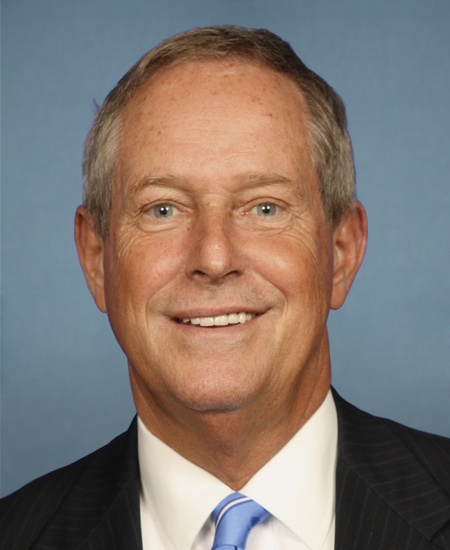
Rep. Joe Wilson
Sponsored bills
Maddy summaryHR 5654, the "Hot Showers Act," directs the Secretary of Energy to withdraw a specific proposed rule on water heater energy efficiency standards. The bill mandates the withdrawal of the "Energy Conservation Program: Energy Conservation Standards for Consumer Water Heaters" rule (88 Fed. Reg. 49058, July 28, 2023), and prohibits the Department of Energy from finalizing, implementing, or enforcing that rule or any substantially similar rule. This action directly affects the Department of Energy and manufacturers of consumer water heaters by halting the proposed efficiency standards. The bill is procedural, focusing solely on withdrawing the rule without creating new policy.
Maddy summaryThe FACTS Act (HR 5625) creates a pilot program to fund partnerships between schools and public health agencies to prevent synthetic opioid misuse among students. It authorizes $50 million annually to support evidence-based prevention programs, including professional development for school staff, student workshops, and community outreach. The bill requires schools to collect data on synthetic opioid prevalence and mandates that school health centers stock naloxone. It also amends national surveys to track youth opioid use patterns and establishes an interagency task force to coordinate prevention efforts. These provisions aim to address the growing crisis of synthetic opioid misuse among young people through education, data collection, and prevention programs.
Maddy summaryHRES 684 is a symbolic congressional resolution passed by the U.S. House of Representatives on September 14, 2023, condemning New Mexico Governor Michelle Lujan Grisham's emergency order that temporarily suspended open and concealed carry firearm rights for 30 days. The resolution asserts the order violated the Second Amendment, citing Supreme Court precedents (Heller, McDonald, Bruen) and noting a federal judge had already blocked the order's firearm restrictions. It does not change any laws or impose legal consequences - it is solely a formal expression of disapproval from Congress. The resolution directly addresses the Governor's actions but has no effect on New Mexico's laws or citizens' rights.
Maddy summaryThis bill prohibits federal funding for colleges and universities that require students or staff to get a COVID-19 vaccine to enroll, work, or access services. It directly affects institutions of higher education receiving federal funds, such as those participating in student aid programs. The key provision blocks all federal financial support if an institution enforces such vaccine requirements as a condition of enrollment, employment, or benefits. The law does not ban vaccine mandates outright but ties federal funding to compliance with this prohibition.
This bill requires the Department of State to determine whether Vladimir Kara-Muza is being wrongfully detained abroad for purposes of triggering certain procedures for U.S. nationals. If the State Department finds that Vladimir Kara-Muza is not being detained wrongfully in Russia, it must report to Congress a justification for this determination and describe the current efforts to secure his release.
Maddy summaryThis bill creates a new exemption from U.S. passport application fees for first responders participating in disaster relief. Specifically, it allows the Secretary of State to waive both passport issuance and execution fees for volunteers working under U.S. government contracts, grants, or agreements to conduct search, rescue, or disaster relief operations within seven days of a natural disaster in a foreign country. The bill does not change existing fee exemptions for military personnel, seamen, or families of fallen service members. It also requires the Secretary of State to report annually on the number of such fee waivers granted to first responders.
Maddy summaryThis bill raises the mandatory minimum prison sentence for trafficking minors under 18 from the previous term to **not less than 25 years or life imprisonment** under federal law (18 U.S.C. § 1591). It directly affects individuals convicted of trafficking children, increasing penalties for this specific offense. The key mechanism is amending the existing sentencing provision to eliminate lower minimums and mandate these severe penalties. The bill focuses solely on strengthening criminal penalties for child trafficking, with no new funding or program requirements.
Maddy summaryThis House resolution (HRES 701) symbolically supports expanding the Abraham Accords on their third anniversary by urging the U.S. government to encourage more countries to normalize relations with Israel and deepen economic cooperation among existing signatories. It recommends promoting regional collaboration in areas like clean energy, security, and trade, while linking expanded ties to progress on Israeli-Palestinian peace efforts. The resolution has no legal effect - it expresses congressional support but does not create new laws or obligations. It directly affects U.S. diplomatic strategy toward Middle East relations, emphasizing symbolic endorsement over concrete policy changes.
Maddy summaryHR 3152, the "Fight CRIME Act," aims to maintain international restrictions on Iran's missile-related activities by requiring diplomatic efforts to extend these restrictions before they expire in October 2023. The bill mandates annual reports detailing U.S. diplomatic strategies, potential impacts of expiration, and measures to deter missile technology transfers to Iran. It establishes sanctions against foreign individuals or entities that knowingly support Iran's missile or drone programs, including asset freezes and visa restrictions. These sanctions apply regardless of whether UN restrictions remain in effect after their expiration, directly affecting foreign entities involved in these activities.