

Maddy summaryThe Leveling the Playing Field 2.0 Act (HR 3882) updates U.S. trade law to better address international trade practices that disadvantage American businesses. It establishes special rules for handling multiple investigations of the same merchandise (called "successive investigations"), requiring the Commerce Department to consider previous injury determinations when making new findings. The bill also creates mechanisms to address market distortions from foreign government subsidies, including currency undervaluation, and strengthens procedures to prevent duty evasion through certification requirements for importers. These changes primarily affect foreign exporters of goods subject to U.S. antidumping and countervailing duty investigations, as well as U.S. importers of those goods.
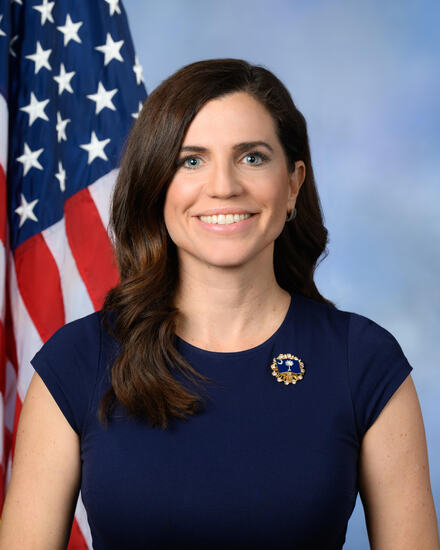
Rep. Nancy Mace
Sponsored bills
Maddy summaryThe Women in Criminal Justice Reform Act (HR 2954) aims to create gender-responsive policies across the criminal justice system for women. It requires law enforcement officers to receive gender-informed training on trauma, domestic violence, and the unique needs of women, and establishes pretrial diversion programs that focus on addressing trauma, substance use, and family needs rather than incarceration. The bill mandates improved healthcare for incarcerated women, including reproductive care, trauma-informed mental health services, and gender-specific prison conditions. It also expands access to programs for mothers and infants in prison and requires facilities to maintain family connections through visitation and community reentry programs. The legislation directly affects women in the criminal justice system, law enforcement officers, correctional staff, and prison healthcare providers.
Maddy summaryThis bill establishes a new workplace violence prevention standard for healthcare and social service workers. It requires employers in covered facilities - including hospitals, nursing homes, mental health clinics, and social service settings - to develop and implement comprehensive prevention plans with specific requirements. These plans must include risk assessments, hazard prevention measures, employee training on violence prevention, and procedures for reporting and investigating violent incidents. The bill also amends Medicare regulations to require compliance with these standards for hospitals and skilled nursing facilities receiving Medicare funds.
Maddy summaryHR 1610 would modernize Medicare coverage for chiropractic care by removing the current restriction that limited beneficiaries to one chiropractic service per visit. It expands coverage to include all services provided by licensed chiropractors within their state-authorized scope, aligning Medicare with VA, military, and private insurance practices. The bill requires chiropractors to complete a Secretary-approved educational webinar to cover non-spinal services, while still allowing payment for spinal manipulation treatments without this requirement. This directly affects Medicare beneficiaries seeking chiropractic care and chiropractors seeking Medicare reimbursement for their services.
Maddy summaryThis bill expands Medicare coverage for hereditary cancer prevention and management. It requires Medicare to cover genetic testing for individuals with a personal or family history of hereditary cancer mutations, as defined by evidence-based guidelines from organizations like the National Comprehensive Cancer Network. The bill also mandates coverage for risk-reducing surgeries (like mastectomies or oophorectomies) when medically appropriate, and increases the frequency of recommended cancer screenings (such as mammograms, colonoscopies, and breast MRI) to at least annually for those with confirmed hereditary cancer gene mutations. These changes apply to Medicare beneficiaries with specific hereditary cancer risk factors, effective upon the bill's enactment.
Maddy summaryHR 1407, the Financing Lead Out of Water Act, modifies tax rules to help communities replace lead water pipes. It clarifies that using tax-exempt bonds to replace privately-owned sections of lead service lines connected to public water systems does not count as "private business use" under federal tax law. This change allows public water systems to more easily finance lead pipe replacements through tax-exempt bonds, which are typically restricted from funding private business activities. The bill directly affects public water systems and local governments managing drinking water infrastructure, making it simpler to secure funding for compliance with federal lead regulations.
Maddy summaryThis bill amends the Social Security Act to exclude wages earned and self-employment income derived from unauthorized employment in the United States from being counted toward Social Security credits. It directly affects undocumented immigrants who work without authorization, preventing those earnings from contributing to their future Social Security benefits. The law changes existing Social Security rules by adding specific exclusions for "service performed by an alien while employed... not authorized to be so employed" and similar self-employment activities. These changes apply to all wages and income earned before, during, or after the bill's enactment, with Social Security recompiling existing benefit calculations to reflect the new rules.
Maddy summaryHR 549, the Metastatic Breast Cancer Access to Care Act, removes waiting periods for disability and Medicare coverage for people diagnosed with metastatic breast cancer. Specifically, it amends Social Security Act sections to allow immediate eligibility for disability insurance benefits (eliminating the standard waiting period) and immediate Medicare coverage (waiving the 24-month waiting period) for these patients. The bill directly affects individuals with metastatic breast cancer who would otherwise face delays in accessing critical benefits. These changes apply to applications filed or benefits beginning after the bill's enactment date. The law makes no other policy changes beyond these specific eligibility adjustments.
Maddy summaryHR 497, the Freedom for Health Care Workers Act, eliminates a federal requirement for healthcare workers in Medicare and Medicaid programs to be vaccinated against COVID-19. The bill directly affects healthcare providers who treat patients under these federally funded programs by preventing the enforcement of the November 2021 HHS rule mandating staff vaccinations. Its key provision prohibits the Department of Health and Human Services from implementing, enforcing, or creating a similar rule regarding vaccination for these workers. This bill changes the policy by removing a specific vaccine mandate for providers in Medicare and Medicaid programs.
Maddy summaryHR 114, the "Fund and Complete the Border Wall Act," establishes a Secure the Southern Border Fund to finance border barrier construction and maintenance along the U.S.-Mexico border. The bill creates a 5% fee on remittance transfers to foreign countries and increases Form I-94 processing fees, with portions of these fees directed to the fund. It requires the Department of Homeland Security to report annually on illegal border crossings and sets a December 31, 2023, deadline for completing border barriers. The legislation also includes provisions for border patrol agent compensation and allows the Secretary of Homeland Security to waive legal requirements to expedite border wall construction.