

Maddy summaryThis bill bans federal funding for abortions in most cases, prohibiting the use of taxpayer money for abortion services or health insurance plans covering abortion. Exceptions allow funding for abortions resulting from rape, incest, or when a pregnancy endangers a woman's life. It requires health insurance plans sold through the Affordable Care Act (ACA) marketplaces to clearly disclose any separate costs for abortion coverage and prohibits ACA subsidies from being used for plans that cover abortion (except in the specified exceptions). The law directly affects federal programs like Medicaid, ACA marketplace plans, and insurers offering health coverage to individuals using federal subsidies.
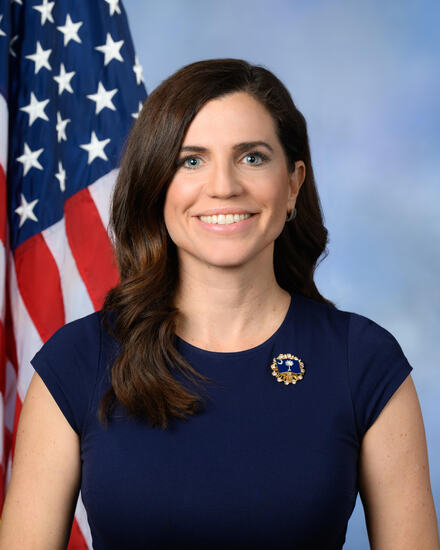
Rep. Nancy Mace
Sponsored bills
Maddy summaryHR 10398, the Safe Shelters Act of 2024, prohibits sex offenders required to register under federal law from using emergency shelters not specifically designated for them. Covered sex offenders must immediately notify shelter staff of their registration status if entering an undesignated shelter, and shelter operators must then provide information about designated shelters and the prohibition. The bill directs FEMA to designate specific federal buildings or prisons as emergency shelters exclusively for these offenders during disasters, with lists of available facilities to be provided by GSA and the Bureau of Prisons within 180 days. Violating the notification or shelter use rules carries penalties of fines, up to 5 years in prison, or both.
Maddy summaryHR 10367 requires all U.S. detention facilities - including jails, prisons, and law enforcement custody - to notify families within 12 hours of a death or 48 hours of serious illness or injury occurring in custody. It mandates that notifications include specific details (like cause of death, medical procedures, and investigation status) and provides families with options for communication, visitation, and handling remains. The bill establishes standardized procedures for collecting emergency contact information at the time of booking and ensures families receive compassionate, professional notifications during critical moments. It applies to all federal, state, local, and tribal detention agencies, aiming to standardize a process that currently lacks consistent national guidance.
Maddy summaryThis bill denies federal Community Development Block Grants (CDBG) to any state or local government designated as a "sanctuary jurisdiction." A sanctuary jurisdiction is defined as one with policies restricting sharing immigration status information with federal authorities or refusing to comply with DHS detainer requests (with an exception for victims/witnesses of crimes). The law amends the 1974 Housing Act to require grant recipients to certify they are not sanctuary jurisdictions and will not become one during the grant period. This directly affects cities or counties with such policies by cutting off a key source of federal funding for housing, infrastructure, and community programs. The policy change is limited to CDBG funding under the 1974 Act, with no broader immigration enforcement provisions.
Maddy summaryThe Trafficking Survivors Relief Act of 2024 enables victims of human trafficking to seek to vacate certain convictions or expunge arrests related to offenses they committed as a direct result of being trafficked. It establishes a court process where victims can file motions showing their criminal activity was trafficking-related, with courts required to find by preponderance of evidence that the offense was directly tied to trafficking. If granted, the court must expunge all related records, return any fines paid, and treat the individual as if the offense never occurred. The bill also adds a "human trafficking defense" that creates a presumption of duress for trafficking victims in prosecutions. It requires reports on implementation and training for U.S. attorneys on trafficking indicators.
Maddy summaryThe Grant Transparency Act of 2023 requires federal agencies to clearly disclose how they evaluate competitive grant applications in their funding notices. Specifically, agencies must describe their rating systems, explain any weighted scoring methods (including how much each criterion is weighted), and detail other merit-based evaluation approaches. The law also mandates standardized reporting of basic application data, including the number of applications received and the city/state locations of all submitting organizations. This applies only to future notices of funding opportunity issued after the law takes effect (120 days post-enactment), does not create new funding, and does not override existing legal requirements for specific grant programs.
Maddy summaryThis bill allows livestock producers and their employees to take black vultures (Coragyps atratus) that are harming or threatening livestock, bypassing the usual protections under the Migratory Bird Treaty Act. It directly affects ranchers and farm workers in areas where black vultures cause livestock deaths or injuries. The key provision requires annual reporting to the U.S. Fish and Wildlife Service about any vultures taken, using a simplified form similar to existing reporting for permitted bird take. This creates a specific, limited exception to federal bird protections for livestock protection, with no new restrictions on vulture populations.
Maddy summaryThe SHIELD Act of 2024 makes it a federal crime to knowingly distribute non-consensual intimate images of adults (e.g., photos showing genitals, pubic area, or female nipples without privacy expectations) or nude images of minors with intent to harm, abuse, or degrade. It directly affects individuals whose intimate images are shared without consent and those distributing such content, including social media platforms under specific conditions. Key provisions criminalize distribution causing psychological, financial, or reputational harm, with penalties up to 3 years in prison for minor-related cases and 2 years for adult cases, plus asset forfeiture. Exceptions cover law enforcement, legal reporting, medical/educational use, and platforms that don’t actively promote such content.
Maddy summaryHR 1695, the *Strengthening Agency Management and Oversight of Software Assets Act*, requires all federal agencies to conduct a comprehensive assessment of their software licenses, contracts, and usage within one year of enactment. This assessment must detail current software inventories, costs (including hidden fees), interoperability, and license restrictions, and be submitted to agency leadership, the Office of Management and Budget (OMB), and Congress. Agencies must then develop a 120-day plan to consolidate software licenses, prioritize enterprise agreements, reduce costs, and improve software management - ensuring purchases avoid vendor favoritism and support interoperability. The OMB will create a government-wide strategy within two years to standardize these efforts, with annual budget reports tracking agency progress on software cost and management metrics.
Maddy summaryThis bill prohibits federal funding to any entity (including state/local governments and private organizations) that allows access to single-sex facilities (like restrooms, locker rooms, or changing rooms) based on gender identity rather than biological sex. It defines "biological sex" by reproductive anatomy and requires facilities to be restricted to individuals whose sex matches this biological determination. Exceptions only apply for emergency medical personnel or active law enforcement situations. The law directly affects any organization receiving federal funds that operates such facilities.