

Maddy summaryThis bill restricts donations to Presidential Libraries and Centers (organizations established to commemorate former presidents) by limiting who can contribute and how much they can give. It prohibits donations from foreign nationals, lobbyists, federal contractors, people seeking pardons, and others during a president's term and for two years after leaving office, with an annual aggregate limit of $10,000 per donor (adjusted for inflation). Libraries must report all donations over $200 quarterly, including donor details, and publish this information publicly. The law aims to increase transparency and prevent undue influence by restricting certain sources of funding for these institutions.
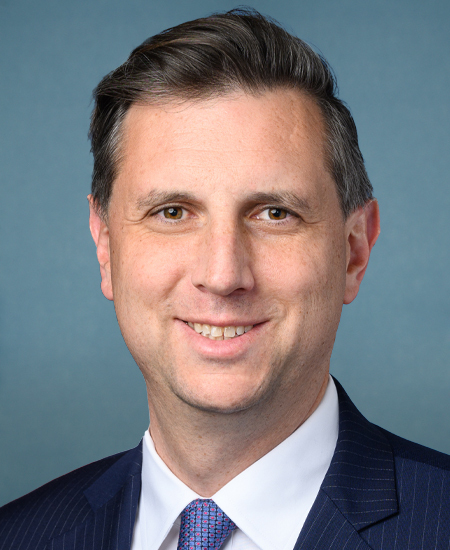
Rep. Seth Magaziner
Sponsored bills
Maddy summaryThis bill establishes federal worker heat protection standards to prevent heat-related illness and injury. It requires employers to provide a workplace free from heat stress hazards, including access to cool water, scheduled rest breaks, shaded cooling areas, and training on heat illness symptoms. The Secretary of Labor must create these standards within one year, incorporating evidence-based practices like engineering controls (e.g., ventilation), administrative measures (e.g., adjusted schedules), and employer-paid personal protective equipment. The law directly affects all employers in high-heat work environments - such as construction, agriculture, and manufacturing - and strengthens whistleblower protections for workers reporting safety violations.
Maddy summaryThe Child Care for Working Families Act creates a federal program to provide affordable, high-quality child care for working families with children under age 6. It would provide direct child care assistance through certificates or grants to parents, with no copayment required for families at or below 85% of state median income. The program requires states to implement quality standards for child care providers, including a tiered quality system and minimum wage requirements for staff (at least a living wage equivalent to elementary educators). The bill appropriates $20 billion for the program over five years, with additional funding for quality improvement initiatives and universal preschool services.
Maddy summaryThis bill directs the Health and Human Services Secretary to fund research on early detection and intervention for uterine fibroids, aiming to develop evidence-based approaches for healthcare settings. It authorizes grants to states to support screening (including advanced imaging), patient navigation services, and public education campaigns focused on early detection, with priority given to areas with socially vulnerable populations at higher risk. The bill also funds research into disparities in pain management during fibroid surgery and conditions like Asherman’s Syndrome. These provisions directly affect women with uterine fibroids, particularly in underserved communities, by expanding access to early detection services and targeted research.
Maddy summaryThis bill extends funding deadlines for sport fish restoration and recreational boating programs through 2031, updating prior expiration dates. It clarifies funding for interstate fisheries commissions and adds new definitions for alternative marine fuel infrastructure, including facilities dispensing fuels derived from recycled oils or plant materials. The bill also establishes a 3% tax rate (down from 10%) for portable, electronically-aerated bait containers sold by manufacturers. These changes primarily affect recreational boaters, sport fishing programs, and facilities seeking to install alternative fuel infrastructure.
Maddy summaryHR 4365, the Consumer Online Payment Transparency and Integrity Act, requires businesses to clearly disclose automatic renewal terms and cancellation procedures when selling goods or services with free trials or automatic renewal features. It mandates 7-day advance notice before charging consumers for renewals, requires express consent for each renewal (not just initial sign-up), and ensures cancellation is as easy as signing up (via online tools or toll-free numbers). The bill also prohibits "dark patterns" (manipulative design) from tricking consumers into unintended charges and voids automatic renewals if businesses violate these rules, requiring refunds for affected consumers. This directly affects consumers who encounter surprise charges from subscriptions or free trials that convert to paid services without clear consent.
Maddy summaryHR 4382 authorizes the U.S. Mint to produce commemorative coins for the 2028 Los Angeles Olympics/Paralympics and 2034 Salt Lake City Winter Olympics/Paralympics. It specifies gold, silver, and half-dollar coin designs with defined mintage limits (e.g., up to 100,000 $5 gold coins for each event), all bearing inscriptions like "2028" or "2034" and standard coin features. A surcharge ($5-$50 per coin) is added to sales, with all funds directed to the respective Olympic committees to support event hosting and legacy programs like youth sports. The bill ensures no net cost to the government by requiring surcharge revenues to cover all design, production, and marketing expenses before funds are disbursed.
Maddy summaryHRES 575 is a symbolic resolution designating July 10th as "Journeyman Lineworkers Recognition Day." It honors lineworkers who face significant risks daily - working at heights near live wires and responding to disasters like hurricanes and wildfires. The resolution specifically references Henry Miller, an early leader of the International Brotherhood of Electrical Workers, who died on July 10, 1896, while troubleshooting an outage. It encourages the public to recognize these workers' contributions but does not create new laws or allocate funding.
Maddy summaryThis bill requires the FDA's Office of Food Chemical Safety to reassess the safety of at least 10 food additives or related substances every three years starting in 2026. It specifically prioritizes substances like titanium dioxide, red dye 40, BHA, BHT, and sodium nitrite for initial review. If reassessments find substances unsafe, the FDA must update regulations, revoke approvals, or require new pre-market notifications. The law affects food manufacturers by mandating regular safety reviews of additives already in use, with results made public through FDA notices.
Maddy summaryThis bill requires the Transportation Security Administration (TSA) to create and update guidance within 90 days (and every five years) to ensure hygienic handling of breast milk, baby formula, infant water, juice, and cooling accessories during airport security screening. The guidance must be developed with maternal health organizations and set standards to minimize contamination risks when these items undergo re-screening or additional testing. It also mandates a one-year audit by the DHS Inspector General to assess TSA compliance and evaluate how screening technologies impact the processing of these infant items. The bill directly affects traveling parents and caregivers who transport these essential supplies.