

Maddy summaryHR 4717 creates a refundable tax credit of up to 10% of a home's purchase price (capped at $15,000) for first-time homebuyers purchasing a principal residence in the United States. The credit is subject to limitations based on modified adjusted gross income (phased out if income exceeds 150% of the area median income) and home price relative to area median purchase prices in the buyer's location. Homebuyers must meet age requirements (at least 18 years old), not have owned a home in the past three years, and purchase with a federally backed mortgage. The credit is subject to a four-year recapture period if the home is sold within that timeframe, and taxpayers may transfer the credit to their mortgage lender as a down payment or closing cost assistance.
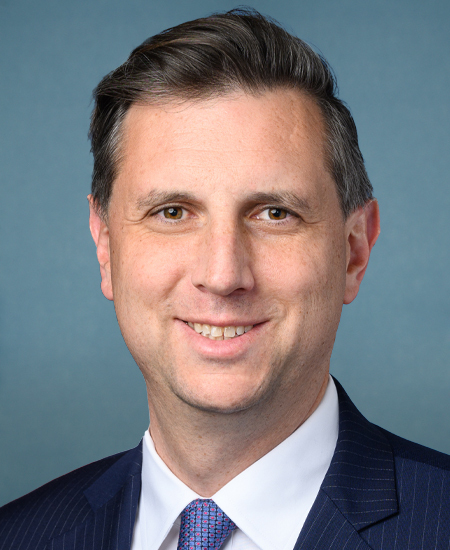
Rep. Seth Magaziner
Sponsored bills
Maddy summaryHR 4726, the Educational Toy Tax Relief Act, removes tariffs on specific baby and children's products by prohibiting the President from imposing or maintaining import duties under the International Emergency Economic Powers Act. It directly affects importers and manufacturers of items like toys for children under three, tricycles/scooters, playpens, baby swings, and educational toys. The bill requires the immediate termination of existing tariffs on these items and invalidates any similar duties imposed under other authorities. This policy change eliminates import costs for these specific products, making them more affordable for consumers.
Maddy summaryHR 4746, the Baby Food Tax Relief Act, removes tariffs on specific baby products by prohibiting the President from imposing or continuing duties on them under emergency powers. It directly affects parents and caregivers purchasing baby bottles, breast pumps, highchairs, booster seats, and baby formula, which were previously subject to tariffs. The bill requires the termination of existing tariffs on these items and invalidates any similar tariffs imposed under other authorities. This creates immediate tax relief for these essential baby care products without altering existing tax structures for other goods.
Maddy summaryHR 4738, the Baby Safety Tax Relief Act, removes import tariffs on specific baby safety products. It prohibits the President from imposing or continuing tariffs on baby carriages, strollers, baby carriers, and baby car seats under emergency economic powers or similar authorities. The bill requires the immediate termination of any existing tariffs on these items as of its enactment date. This directly affects importers and retailers of these products by reducing their import costs.
Maddy summaryHR 4666, the Baby Clothing Tax Relief Act, eliminates tariffs (duties) on specific baby clothing items by prohibiting the President from imposing or maintaining such taxes under emergency powers laws. The bill specifically covers baby garments, socks, shoes, shirts, pants, swimsuits, sweaters, dresses, onesies, and hats. It requires the immediate removal of existing tariffs on these items and invalidates any similar tariffs imposed under other authorities. This directly benefits parents and caregivers who purchase baby clothing, as well as retailers selling these items, by reducing associated costs. The policy change is limited to the listed baby clothing products and does not affect other goods or tax policies.
Resident Physician Shortage Reduction Act of 2025 This bill increases the number of residency positions eligible for graduate medical education payments under Medicare for qualifying hospitals, including hospitals in rural areas and health professional shortage areas. The bill provides for an additional increase of 2,000 positions per fiscal year from FY2026-FY2032; during this period, each hospital may receive up to 75 additional positions in total under the bill and current law. Additionally, one-third of the positions that are made available under the bill must be allocated to hospitals that are already operating above applicable resident limits. The bill also requires the Government Accountability Office to report on strategies to increase the diversity of the health professional workforce, including with respect to representation from rural, low-income, and minority communities.
Maddy summaryH.J. Res. 108 proposes a constitutional amendment to remove legal immunity for federal officials, including the President, from criminal prosecution for actions taken while performing official duties. It would prohibit the President from granting pardons to themselves and eliminate the defense that "official authority" excuses violations of federal or state law (with limited exceptions for certain congressional actions). If ratified, this amendment would require Congress to pass implementing laws to enforce these changes. The proposal is currently in the House Judiciary Committee and requires approval by three-fourths of state legislatures to become part of the Constitution.
Maddy summaryThis bill establishes two grant programs to support construction and manufacturing apprenticeship colleges. It provides up to $500,000 per college for community outreach (e.g., connecting with high schools, rural businesses, and workforce boards) and student support services (e.g., academic advising, mental health resources, childcare). The grants target increasing enrollment and completion rates for underrepresented groups, including rural students, first-generation college students, and minorities. Funding of $5 million annually (2026-2030) requires colleges to report on program outcomes like retention rates and diversity metrics. The law directly affects apprenticeship colleges offering work-based training in construction and manufacturing fields.
Maddy summaryThis bill requires the Environmental Protection Agency (EPA) to consult the National Academies of Sciences before finalizing new safety standards for fluoride in drinking water. Specifically, the EPA must arrange for the National Academies to conduct a rapid evidence review (within 90-180 days) of proposed fluoride rules, provide them all relevant data, and consider their findings. The bill affects federal regulators (the EPA) and the process for setting drinking water standards, not directly impacting the public or water systems. It does not change fluoride levels or safety thresholds but mandates an additional review step in rulemaking. The summary focuses solely on the procedural requirement added to the Safe Drinking Water Act.
Maddy summaryHR 4482, the Stop NOAA Closures Act, imposes a temporary moratorium on closing, suspending, or limiting access to National Oceanic and Atmospheric Administration (NOAA) facilities, effective until a report is submitted to Congress by January 21, 2029. The bill requires NOAA and the General Services Administration to submit detailed reports to specific congressional committees before any future facility closure, suspension, lease termination, or consolidation - outlining cost-benefit analyses, service impacts, and justification. Exceptions apply only for emergencies posing immediate threats to personnel safety. This bill directly affects NOAA's facility management decisions and mandates congressional oversight for future closures.