

Maddy summaryHR 4825, the COTA Act, amends the Workforce Innovation and Opportunity Act to improve career guidance for skilled trades. It requires workforce programs to provide students with information about high-skill, high-wage, and in-demand career paths - including construction, healthcare, and technology - and to run public awareness campaigns (like social media ads) about these opportunities. This directly affects community colleges, career centers, and workforce development agencies administering federal job training programs. The bill mandates these new guidance and outreach requirements to help connect students and workers with growing industry needs. It does not change funding levels or create new programs, but updates existing workforce development services.
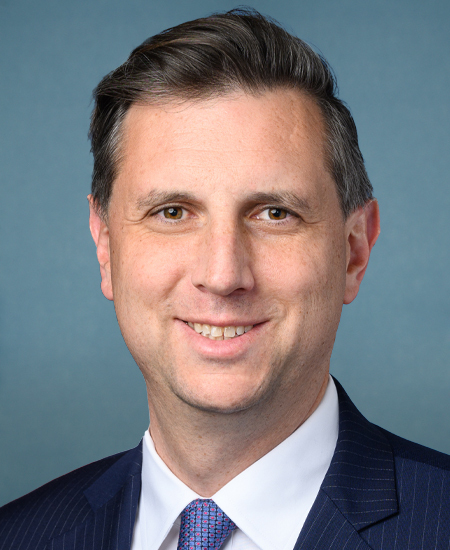
Rep. Seth Magaziner
Sponsored bills
Maddy summaryThis bill removes a barrier preventing most low-income students from accessing SNAP benefits. It amends the Food and Nutrition Act to explicitly allow students enrolled at least half-time in recognized higher education programs to qualify for SNAP, reversing a prior exclusion. The key change eliminates the previous requirement that students meet specific exceptions (now deleted) and adds a new eligibility category under Section 3(m)(5). This directly affects low-income undergraduate and graduate students at colleges and training programs who were previously ineligible. The changes take effect January 2, 2026.
Maddy summaryHR 4796, the Restoring Essential Healthcare Act, repeals a provision that blocked Medicaid payments to certain healthcare providers during a specific period. It directly affects Medicaid beneficiaries who received care from these providers between the enactment of the prior law (Public Law 119-21) and this bill's enactment. The key provision retroactively restores Medicaid payments for services already provided during that blocked period, treating the payment restriction as if it never existed. This change ensures eligible individuals and providers receive reimbursement for covered care delivered during the prohibited timeframe.
Maddy summaryHR 4763, the PTO Act, requires most employers to provide employees with at least 1 hour of paid annual leave for every 25 hours worked, with a maximum of 80 hours per year. It applies to private-sector workers and certain government employees, protecting their right to use paid leave for any purpose without disclosing the reason. The bill mandates employers to maintain health benefits during leave, allow carryover of up to 40 hours of unused leave, and pay out unused leave upon separation. It also prohibits employers from discriminating against employees for using paid leave or requiring them to find replacements while on leave. The law includes enforcement mechanisms, allowing employees to file complaints with the Department of Labor or pursue private lawsuits.
Maddy summaryThis bill updates the TRICARE Young Adult Program to make healthcare coverage more accessible for military dependents. It directly affects young adults (ages 21-26) who are children of active-duty service members, by eliminating a separate premium they previously paid for coverage. Key changes include removing an extra cost for young adults and adjusting eligibility rules to simplify enrollment. These amendments aim to reduce out-of-pocket expenses and streamline access to health insurance under the program.
Maddy summaryThe Foster Youth Mentoring Act of 2025 authorizes federal grants to fund structured mentoring programs for children in foster care (under 18) and youth with foster care experience (up to age 26). It requires grantees to provide trained mentors (adult or peer), ensure cultural competence, conduct background checks, and match mentors with mentees for at least one year to support academic, social, and emotional needs. Programs must prioritize input from youth, recruit diverse mentors reflecting foster youth demographics, and coordinate with child welfare and education systems. The bill allocates $50 million annually for fiscal years 2026-2027, mandating annual reports on program reach, mentor demographics, and outcomes like school attendance and college enrollment. This directly affects over 390,000 foster youth annually by expanding access to evidence-based mentoring.
Maddy summaryHR 4699, the BIKE Act of 2025, requires federal grant funding to support bicycle safety education programs for elementary and secondary school students. It mandates the Secretary of Transportation to revise Highway Safety Program Guideline No. 14 to include specific provisions for teaching bicycling skills, traffic rules, road navigation, safety precautions, and helmet use. The revised guidelines must be developed with input from educators and disseminated to state education agencies for integration into school curricula. This bill directly affects public school students and school districts through new safety education requirements and federal funding opportunities.
Maddy summaryHR 4719, the Freedom to Move Act, would create $5 billion in federal grants to help cities, counties, and transit agencies make public transportation free and improve service quality. Local governments applying for these grants must demonstrate how they will redesign bus routes to prioritize low-income and minority neighborhoods, eliminate criminal penalties for fare evasion, and address transit gaps in underserved communities. The grants cover lost fare revenue and fund specific improvements like safer bus stops, dedicated bus lanes, and better service frequency. This directly affects transit agencies and riders in communities currently lacking reliable, affordable transportation options.
Maddy summaryHR 4674, the Baby Hygiene Tax Relief Act, removes existing tariffs and prohibits future tariffs on 11 specific baby hygiene items, including diapers, baby wipes, baby soap, shampoo, and changing tables. The bill requires the President to terminate all current tariffs on these items imposed under the International Emergency Economic Powers Act and invalidates any similar tariffs from other authorities. This directly affects parents and caregivers who purchase these products, as it eliminates cost-increasing import duties. The key mechanism is a legal prohibition on tariff imposition and a mandate to end existing tariffs on the listed items.
Maddy summaryThe Baby Sleep Tax Relief Act (HR 4654) prohibits the President from imposing or continuing tariffs on specific baby sleep products under emergency economic powers. It directly affects parents, caregivers, and retailers by removing existing and preventing future tariffs on cribs, toddler beds, mattresses/bedding, bassinets, cradles, and baby monitors. The bill mandates the termination of all current tariffs on these items and invalidates any similar duties imposed under other authorities. This is a concrete policy change that eliminates a specific cost burden on essential baby sleep equipment. The legislation focuses solely on removing these tariffs, with no additional provisions or funding.