

Maddy summaryThe Expanding Access to Mental Health Services in Schools Act of 2025 creates a federal grant program to help high-need schools hire and retain mental health professionals like counselors, psychologists, and social workers. It targets schools in the top 15% of need (based on student poverty or counts) that lack required staff ratios, such as one counselor per 250 students. Grants fund recruitment incentives (e.g., student loan repayment), retention programs, and evidence-based mental health services, with recipients required to contribute 25% of costs from non-federal funds. Schools must report annually on staff numbers, student-to-staff ratios, and retention rates to track progress toward improved mental health access.
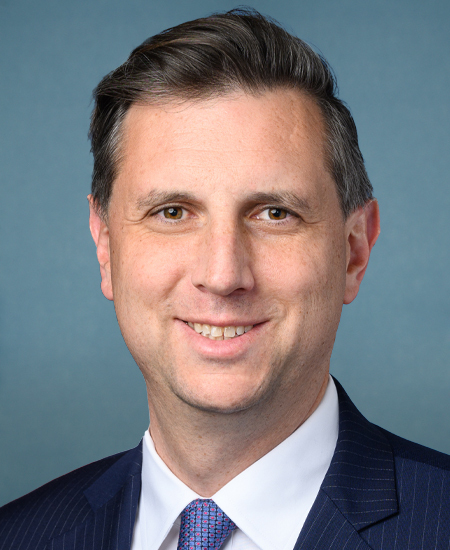
Rep. Seth Magaziner
Sponsored bills
Maddy summaryThis bill creates a federal grant program to help states, tribes, and local governments implement Extreme Risk Protection Orders (ERPOs), which temporarily remove firearms from individuals who may pose a danger to themselves or others. The grants fund law enforcement training on ERPO use, development of court protocols, public awareness campaigns, and ensure ERPOs are recognized across jurisdictions. The bill also amends federal law to include ERPOs in background checks through the National Instant Criminal Background Check System and requires states to have due process protections in place, including notice and hearing requirements for ERPOs. States receiving grants must submit annual reports on ERPO usage, including demographic data and outcomes.
Maddy summaryHRES 550 is a non-binding House resolution recognizing June 2025 as LGBTQIA+ Pride Month. It formally encourages all U.S. citizens to celebrate Pride Month to learn about LGBTQIA+ history, including the Stonewall Inn and Compton's Cafeteria uprisings. The resolution affirms that LGBTQIA+ rights are human rights and emphasizes the ongoing struggle for equality. It has no legal effect but serves as a symbolic statement of support for the LGBTQIA+ community and its history.
Maddy summaryThe AMMO Act (HR 4227) regulates ammunition sales by requiring background checks for all non-licensed buyers, limiting bulk purchases to 100 rounds of .50 caliber or 1,000 rounds of other calibers within a 5-day period, and mandating recordkeeping for dealers. It directly affects licensed ammunition dealers and individuals purchasing ammunition, requiring dealers to collect identification, written certifications, and maintain records for two years. The bill establishes penalties including fines up to $250,000 for dealers and up to 5 years in prison for false statements, and requires annual reporting on violations. Dealers must post signage about these restrictions and verify identities through government-issued photo IDs. The law will take effect 120 days after enactment.
Maddy summaryThe No Secret Police Act of 2025 requires U.S. Immigration and Customs Enforcement (ICE) and other Department of Homeland Security officers working on border security or immigration enforcement to visibly display their official badges or uniforms and provide identification during detentions or arrests. It prohibits officers from wearing face coverings that conceal their face during these interactions. The bill also mandates that the Department report to Congress about tactical gear policies and research technology to improve badge visibility in different conditions like weather or lighting. These changes aim to increase transparency in immigration enforcement encounters.
Maddy summaryHR 4170 requires federally funded bridge projects (including highway and railroad bridges) to use certified contractors trained in corrosion prevention. It mandates that contractors employ workers certified through qualified training programs meeting industry standards (like ANSI/NACE) for tasks like surface preparation, coating application, and hazardous material removal. The bill also expands federal grant eligibility to include corrosion control work on rail bridges and directs the Transportation Secretary to study best practices for inspecting and repairing weathering steel bridges within 18 months. These changes directly affect bridge contractors, federal agencies managing infrastructure funding, and state/local bridge maintenance entities.
Maddy summaryThis resolution (HRES 549) is a non-binding House measure expressing support for designating June 26 as "LGBTQI+ Equality Day." It commemorates three landmark Supreme Court rulings on June 26 (2003, 2013, and 2015) that ended criminalization of same-sex intimacy, struck down marriage discrimination, and established marriage equality. The resolution encourages public celebration of this day to honor these milestones and educate about ongoing discrimination faced by LGBTQI+ communities. It also acknowledges the need for future legislation to address discrimination in areas like employment, housing, and public accommodations. As a symbolic resolution, it does not create new legal requirements but formally recognizes these historical court decisions.
Maddy summaryThe CONNECT for Health Act of 2025 expands Medicare telehealth coverage by removing geographic restrictions that limited where patients could receive care, expanding the types of health care providers who can offer telehealth services, and eliminating the requirement for an in-person visit before receiving telemental health services. The bill includes specific provisions to support telehealth use for Native American health facilities, rural health clinics, and Federally Qualified Health Centers. It requires the Centers for Medicare & Medicaid Services to collect and publish data on telehealth usage and impacts, and to develop resources to improve accessibility for people with disabilities and limited English proficiency. Program integrity measures are added to monitor telehealth billing practices and prevent fraud while maintaining coverage for telehealth services during public health emergencies.
Maddy summaryHR 4169, the Preventing Crimes Against Veterans Act of 2025, creates a new federal crime for schemes to defraud veterans of their benefits. It adds Section 1352 to Title 18, making it illegal to knowingly execute or attempt to execute a scheme to defraud an individual of veterans' benefits or to obtain such benefits fraudulently for them. The law specifically defines "veterans' benefits" as any federal benefit for veterans, dependents, or survivors, and sets penalties of fines, up to 5 years in prison, or both. This directly affects veterans and their families by strengthening legal tools to prosecute fraudsters targeting their benefits.
Maddy summaryThe Preventing Pretrial Gun Purchases Act would prohibit firearm sales to individuals subject to a court order (released before trial) that specifically bans them from possessing or purchasing guns. It amends federal gun law to add such court orders as a new reason for barring firearm transfers, updating background check systems to require states to report these orders to the national database. The bill allocates $25 million annually from 2026 to 2030 to help states and tribes report these orders, ensuring gun dealers can check eligibility during background checks. This directly affects people under such court orders and gun dealers processing transfers.