

Maddy summaryHR 1858, the Flooding Prevention, Assessment, and Restoration Act, requires the Secretary of Agriculture to conduct a national study on flood risks to agricultural lands within two years, analyzing economic losses, downstream effects, and existing data on various flood types. The bill expands watershed restoration authority by allowing the Secretary to implement long-term protective measures beyond immediate repairs if they are cost-effective and benefit watershed health. It also increases federal funding for rehabilitating aging structural flood measures from 65% to 90% of project costs. This legislation directly affects agricultural producers and watershed management programs by mandating new assessments and modifying funding thresholds for flood prevention infrastructure.
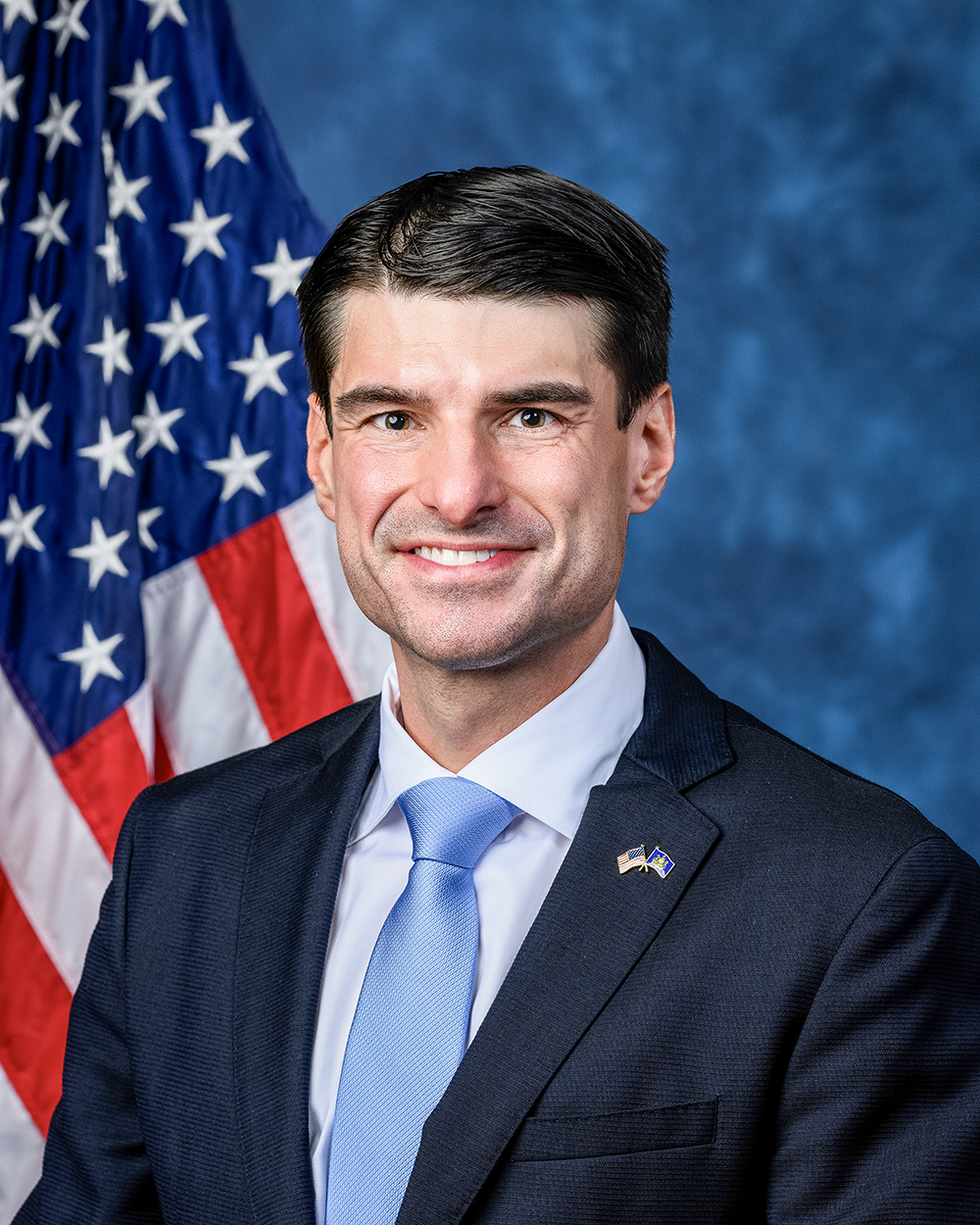
Rep. Robert P. Bresnahan, Jr.
Sponsored bills
Maddy summaryHR 1613, the Protecting Mushroom Farmers Act, requires the federal Risk Management Agency to develop and research crop insurance policies specifically for mushroom farmers. The bill directs the agency to study insurance coverage for risks like pests (e.g., mushroom flies), fungal diseases, power outages, and extreme weather affecting growing media and production. Key provisions mandate streamlined paperwork to accommodate mushrooms' short growing cycles and multiple crop types within a single facility. The agency must submit a report to Congress within two years detailing research findings and recommendations for these new insurance policies. This bill directly affects commercial mushroom growers by aiming to create tailored insurance options for their unique production challenges.
Delivering for Rural Seniors Act of 2025 This bill directs the Food and Nutrition Service (FNS) to award competitive grants to state agencies under a home delivery pilot program for participants in the Commodity Supplemental Food Program (CSFP). As background, the CSFP works to improve the health of low-income persons at least 60 years of age by supplementing their diets with nutritious Department of Agriculture foods. Under the pilot program, a state agency must distribute grant funds to an eligible entity (i.e., a local agency or subdistributing agency) to operate projects that facilitate home delivery of commodities to CSFP participants. Grant funds may be used for costs associated with transportation and distribution of commodities to CSFP participants, staffing required to operate home delivery services, and home delivery outreach to CSFP participants or potential participants. A state agency must prioritize eligible entities that serve CSFP participants who reside in rural areas. A state agency must also submit an annual report to FNS about the project, including best practices regarding the use of home delivery to improve the effectiveness of the CSFP.
Maddy summaryThe Providing Veterans Essential Medications Act requires the Department of Veterans Affairs to reimburse State homes or provide medications directly for certain high-cost drugs used by veterans in State-run nursing homes. A medication is defined as high-cost if its price (including a 3% fee) exceeds 8.5% of the VA's monthly payment for the veteran's care at that home. This applies specifically to State homes that provide such medications to veterans under VA contracts. The bill ensures veterans receive essential medications without financial burden on the State homes, using clear cost thresholds to determine eligibility.
Maddy summaryThis bill expands transportation assistance for rural veterans by updating a Department of Veterans Affairs grant program. It allows grants to be awarded to county veterans service organizations and tribal organizations, in addition to existing recipients, and increases the maximum grant amount to $80,000 for organizations needing to purchase ADA-compliant vehicles. The bill defines "rural" using the USDA's Rural-Urban Commuting Areas (RUCA) system and removes fixed annual funding limits, allowing for flexible budgeting. It directly affects rural veterans who need transportation to healthcare facilities and the organizations that provide this service.
Maddy summaryThe Cellphone Jamming Reform Act of 2025 allows state and federal correctional facilities to operate jamming systems that block cell signals from entering or leaving the facility, specifically targeting contraband devices used by inmates. It directly affects prisons and jails by enabling them to disrupt unauthorized wireless communications without FCC approval, provided the jamming is limited to housing areas within the facility. Key requirements include state facilities covering all costs themselves, consulting with local law enforcement before implementation, and notifying the Bureau of Prisons. The law aims to address security risks from smuggled phones while restricting jamming to only necessary areas and requiring transparency.
Maddy summaryThe Safer Skies Act of 2025 requires specific smaller airlines to adopt enhanced security screening protocols currently used by larger carriers. It mandates that "covered air carrier operations" - defined as airlines operating under certain FAA rules, offering individual seats with public schedules, using planes with more than nine passenger seats, and not using TSA checkpoints - to follow the Aircraft Operator Standard Security Program (49 CFR §1544.101(a)) within 360 days of the bill's enactment. The Transportation Security Administration must revise its rules to enforce this requirement. This directly affects regional and private charter airlines that currently skip TSA checkpoint screening but serve the public with scheduled passenger flights.
Maddy summaryHR 2360 permanently exempts school bus drivers from the engine compartment inspection requirement during their commercial driver's license skills test, which was previously granted as a temporary measure in a 2024 federal notice. This affects school bus drivers in states that choose to participate in the exemption program. For six years after the bill's enactment, participating states must submit annual reports to the Transportation Secretary detailing how many drivers use this exemption. The exemption maintains the specific conditions established in the 2024 notice.
Maddy summaryThis bill allows schools to use existing public health block grants to purchase naloxone (a medication that reverses opioid overdoses) and provide training for school staff on its use. It directly affects schools, teachers, nurses, administrators, and students by requiring the allocation of funds for naloxone kits, staff training, and fentanyl awareness education. Key provisions include adding specific grant uses for naloxone procurement, training school personnel in administration, and distributing fentanyl safety materials to students. The bill amends the Public Health Service Act to enable these concrete, preventative measures within educational settings.
Brake for Kids Act of 2025 This bill directs the Department of Transportation (DOT) to produce and distribute a national public safety campaign on the dangers of illegally passing stopped school buses. Specifically, the campaign must increase awareness and education about the issue through a variety of media, including television, radio, and social media advertising. DOT must use Infrastructure Investment and Jobs Act funds to produce and distribute the campaign.