

Maddy summaryHRES 750 is a symbolic resolution recognizing the "Operation Green Light for Veterans" campaign, which encourages counties to illuminate buildings green (Nov 6-12) to show community support for veterans. It promotes awareness of existing county resources - such as mental health services, job training, housing assistance, and benefits guidance - that help veterans transition to civilian life. The resolution urges all counties to participate in the lighting event and use community outreach to highlight these resources, while commending the National Association of Counties for leading the initiative. It does not create new laws or funding but focuses on raising visibility for existing support systems. (HRES 750, introduced Sept. 29, 2023)
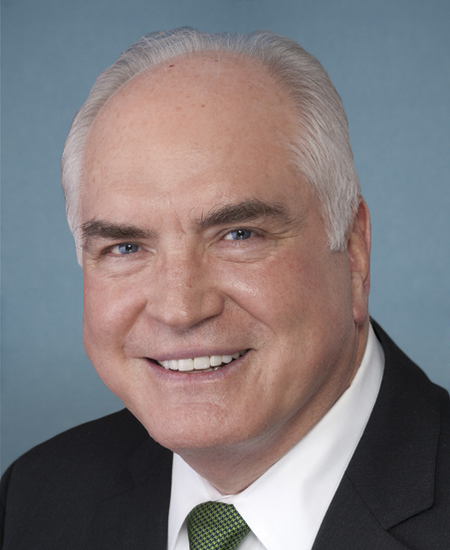
Rep. Mike Kelly
Sponsored bills
Maddy summaryThis resolution (HRES 725) is a symbolic congressional expression of support for designating September 30, 2023, as "Rare Cancer Day." It does not create new laws or allocate funding but aims to raise public awareness about rare cancers - conditions affecting about 1 in 5 cancer patients in the U.S. - and highlight challenges like delayed diagnosis, lower survival rates, and limited treatment options. The resolution encourages greater awareness of rare cancer symptoms and partnerships to improve early detection and develop better treatments. It directly affects patients, caregivers, and healthcare providers by amplifying advocacy efforts, though it has no binding policy impact.
Maddy summaryThis bill requires the Department of Homeland Security (DHS) to conduct a comprehensive assessment of technology needs for securing U.S. maritime borders within two years of enactment, with biannual updates for four years. The analysis must evaluate current and emerging technologies to address threats like drug trafficking, human smuggling, cybersecurity risks, and gaps in surveillance, while considering operational impacts and coordination with agencies. DHS must report findings to Congress, focusing on how technology can enhance border security, improve resource deployment, and support legal trade without mandating specific technology purchases or funding.
Maddy summaryHR 5820, the Technology for Energy Security Act, extends a federal tax credit for businesses installing qualified fuel cell technology. It amends the tax code to change the expiration date for this credit from January 1, 2025, to January 1, 2033. This extension provides businesses with a longer timeframe to claim the credit for eligible fuel cell property investments. The bill directly affects companies deploying fuel cell energy systems by making the tax incentive available for an additional decade.
Maddy summaryThis bill would criminalize the prescription, dispensing, distribution, or sale of chemical abortion drugs (mifepristone and misoprostol) for abortion purposes under federal law, with penalties up to 25 years in prison. It directly affects healthcare providers, pharmacists, and patients who use these drugs for abortion. Key exceptions include contraceptive use before pregnancy confirmation, treatment of miscarriage, and life-threatening pregnancy conditions certified by a physician. The bill defines "abortion" as intentionally ending a pregnancy with intent other than live birth or treating specific medical conditions, and explicitly prohibits prosecuting women who receive chemical abortions.
Mental Health Research Accelerator Act of 2023 This bill allows a tax credit through 2033 for 25% of expenses for translational research regarding neurodegenerative diseases and psychiatric conditions. The credit amount is subject to limitations, including an aggregate national limitation of $1 billion in 2024, $2 billion in 2025-2028, and $1 billion in 2029.
Maddy summaryHR 5641, the Pay Our Troops Act, ensures military personnel and their support staff continue receiving pay during fiscal year 2024 if Congress fails to pass regular budget appropriations. It appropriates existing Treasury funds to cover pay and allowances for active-duty troops, reserve components, and civilian employees or contractors supporting military operations. The bill automatically terminates on January 1, 2025, or earlier if Congress enacts a regular budget or continuing resolution. This provision directly affects service members, Department of Defense staff, and Coast Guard personnel (when not under the Navy) during budget implementation gaps.
Maddy summaryThis bill updates the Opportunity Zones program by requiring designated census tracts to meet specific poverty and income criteria, with a process to replace tracts that no longer qualify. It establishes mandatory annual reporting for Opportunity Zone funds and investors, collecting data on investments, employment, and community impact. The bill extends the tax deferral period for capital gains invested in Opportunity Zones from 2026 to 2028. Additionally, it creates a $1 billion State and Community Dynamism Fund to support investments in underserved communities, with specific requirements for how these funds can be used for affordable housing, small businesses, and community capacity building.
Maddy summaryHR 5561, the Protecting the Right to Keep and Bear Arms Act of 2023, prevents federal agencies from using emergency declarations to implement gun control measures. It specifically prohibits the President from declaring a national emergency under the National Emergencies Act or the Robert T. Stafford Act for gun control purposes, and stops the Health and Human Services Secretary from declaring a public health emergency under the Public Health Service Act for the same reason. The bill also amends the Stafford Act to explicitly prohibit any emergency-related restrictions on possessing, manufacturing, selling, or transferring firearms, ammunition, ammunition feeding devices, or firearm accessories. This directly affects how federal agencies can respond during emergencies without violating the Second Amendment. The law aims to limit executive actions during emergencies that could restrict gun rights.
Maddy summaryHR 1435, the Preserving Choice in Vehicle Purchases Act, amends the Clean Air Act to restrict states from implementing vehicle emissions rules that limit the sale or use of new gasoline-powered cars. It directly affects states with stricter emissions standards (like California) by adding a new definition that blocks state rules "directly or indirectly" limiting internal combustion engine vehicles as defined in federal regulations as of January 1, 2023. The bill requires the EPA to revoke existing state emissions waivers granted between January 2022 and the bill’s enactment if they don’t comply with this new definition. This creates a concrete federal standard preventing states from advancing policies that could reduce demand for conventional vehicles.