

Maddy summaryHRES 1095 is a symbolic resolution expressing congressional support for designating March 2024 as "Music in Our Schools Month." It recognizes music's cultural importance, its long history in U.S. schools, and the unequal access to music education faced by students in underserved communities (including urban/rural schools and schools with high percentages of Black, Hispanic, or Native American students). The resolution does not create new laws, allocate funding, or mandate school actions - it simply affirms the value of music education and calls for greater support. This non-binding resolution was introduced by multiple representatives and referred to the Education Committee.
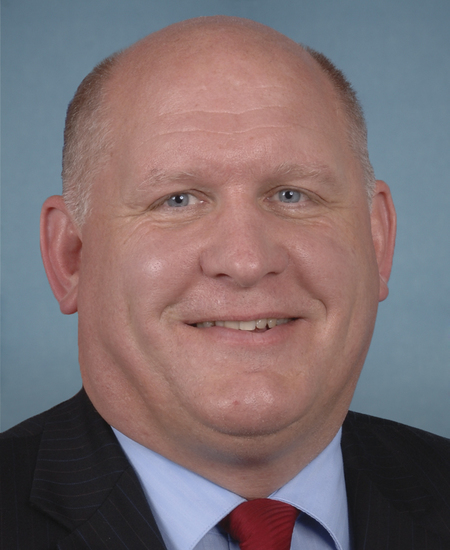
Rep. Glenn Thompson
Sponsored bills
Maddy summaryThis resolution (HRES 1086) is a symbolic gesture expressing the House's support for designating March 19, 2024, as "National Agriculture Day." It does not create new laws or policies, but instead formally recognizes agriculture as a vital industry in the U.S. economy. The resolution celebrates agriculture's broad economic impact without imposing any requirements or changes on farmers, consumers, or government programs. It is a commemorative statement, not a substantive legislative action.
Maddy summaryHR 7698 establishes a new Office of Civic Bridgebuilding within the Corporation for National and Community Service to support programs reducing polarization and improving social cohesion. It authorizes $25 million annually (2025-2027) for competitive grants to nonprofits, community groups, and educational institutions to fund projects addressing local needs like healthcare gaps or environmental concerns through research-backed methods. Grantees must demonstrate how projects engage diverse communities, ensure participant safety (especially for marginalized groups), and use standardized metrics to track effectiveness. The Office will oversee grants, support training, and maintain a public research base on civic bridgebuilding best practices.
Maddy summaryHR 7517, the Skills Investment Act of 2023, renames "Coverdell education savings accounts" to "Coverdell lifelong learning accounts" in tax law and expands their eligible uses beyond traditional education to include career training programs. The bill allows funds to cover workforce training under the Workforce Innovation and Opportunity Act, career technical education, and adult literacy programs, directly affecting beneficiaries (typically young adults and workers) and employers who contribute. Key changes include raising the contribution age limit to 70, increasing the account balance limit to $10,000 after age 30, creating a new 25% tax credit for employer contributions, and allowing tax deductions for beneficiary contributions. These provisions take effect for contributions after December 2023 and distributions after December 2023.
Maddy summaryThis bill designates the U.S. Postal Service facility at 28 East Airy Street in Norristown, Pennsylvania, as the "Charles L. Blockson Post Office Building." It directly affects the specific post office location and all official references to it. The key provision requires that all future government documents, maps, and records referencing this facility must use the new name. The bill makes no changes to postal services, operations, or affected individuals - only updating the facility's official designation. (Procedural naming bill; summary limited to 2 sentences as specified.)
Maddy summaryHRES 1032 is a symbolic resolution designating the week of February 26-March 1, 2024, as "Public Schools Week" in the U.S. House of Representatives. It expresses congressional support for public education, highlighting its role in preparing students and communities. The resolution has no legal effect or funding provisions - it solely serves as a formal expression of backing for public schools. It directly affects no individuals or entities but aims to raise awareness about public education. This is a non-binding gesture, not a policy change.
Maddy summaryThe Uyghur Policy Act of 2023 establishes a U.S. Special Coordinator for Uyghur Issues within the State Department to coordinate policy and advocate for the protection of Uyghur cultural, religious, and linguistic identity in Xinjiang. It authorizes $250,000 annually for Uyghur human rights advocates to speak at public diplomacy events in Muslim-majority countries and mandates Uyghur language training for U.S. diplomats. The bill also directs the U.S. government to support United Nations monitoring of Xinjiang human rights issues and oppose efforts to block discussions of Xinjiang at the UN. These provisions focus on diplomatic advocacy and information-sharing, not direct sanctions or enforcement actions against China.
Maddy summaryHR 7373, the Recognize AGS Act, would require the Centers for Disease Control and Prevention (CDC) to add alpha-gal syndrome to its official list of nationally notifiable diseases. This means doctors and health facilities would be mandated to report diagnosed cases of alpha-gal syndrome to public health authorities, similar to how they report diseases like measles or Lyme disease. The bill directly affects individuals diagnosed with this rare condition (caused by a tick bite and triggering meat allergies), healthcare providers who treat it, and public health agencies tracking disease patterns. This change would improve national data collection on alpha-gal syndrome but does not alter treatment or funding.
Maddy summaryThis bill amends the Elementary and Secondary Education Act to require K-12 schools to strengthen career counseling programs. It mandates schools to identify regional workforce trends, develop personalized career plans for students, connect students with opportunities like apprenticeships and dual enrollment, and partner with workforce agencies. The law also requires professional development for counselors and access to current workforce data to help students plan postsecondary paths. Directly affecting public school students and counselors, it focuses on concrete changes to career guidance rather than new funding.
Maddy summaryHR 7355, the Early Childhood Workforce Advancement Act of 2024, establishes a federal grant program to fund career and technical education programs in early childhood education. It directly supports partnerships between institutions of higher education, child care providers, and community stakeholders to expand training and career pathways for early childhood educators. Key provisions include funding for curriculum development, educator recruitment/retention, professional development, and support services like childcare assistance for students pursuing credentials (such as Child Development Associate) or degrees. The grants aim to improve workforce readiness, address regional shortages, and enhance outcomes for students - particularly in underserved communities - by aligning training with industry needs and State strategic plans.