

Maddy summaryHR 7202 requires the U.S. Secretary of State to report to Congress within 90 days on all U.S. funding provided to UNRWA (the UN agency supporting Palestinian refugees) from fiscal years 2020 through 2024, including monthly spending details. The bill also prohibits U.S. federal funds from being used to support UNRWA, either directly or indirectly, starting upon its enactment. This bill affects U.S. government funding decisions for UNRWA and mandates transparency about past financial support. The legislation focuses on requiring a spending report and blocking future U.S. financial assistance to the agency.
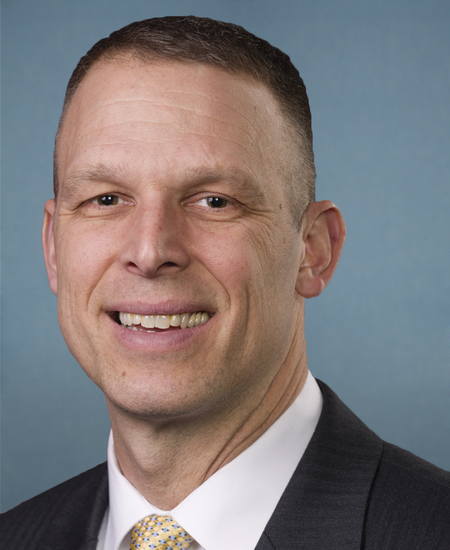
Rep. Scott Perry
Sponsored bills
Maddy summaryThe Death Tax Repeal Act would eliminate the federal estate tax and generation-skipping transfer tax for estates of people who die on or after the bill's enactment date, and for generation-skipping transfers made after that date. It would also establish a new $10 million lifetime gift tax exemption (adjusted annually for inflation) and replace the existing gift tax rate schedule with a revised structure. These changes would primarily affect high-net-worth individuals and their heirs, as the estate tax and gift tax typically apply to large estates or gifts exceeding the new exemption threshold. The bill's provisions would take effect on the date of enactment, with transitional rules for the year the bill is signed into law.
Maddy summaryHR 7047, the "Defund Davos Act," prohibits the use of federal funds from the Department of State, USAID, or any other federal agency to provide financial support to the World Economic Forum. The bill directly affects U.S. government agencies that manage international funding programs by banning their use of taxpayer money for the Forum's activities. Its key provision is a clear funding ban, ensuring no federal resources can be allocated to the World Economic Forum under any circumstances. This is a procedural measure focused solely on restricting federal expenditures, with no other policy changes or impacts described.
Maddy summaryHR 1508, the Traveler’s Gun Rights Act, clarifies who is considered a "resident" for federal gun purchase background checks. It redefines "State of residence" to include active-duty military members' duty station state or their commuting home state, and allows individuals without a physical home to use a private mailbox address. The bill modifies the National Instant Criminal Background Check System requirement to mandate that background checks include either a physical address or a private mailbox address for those without a physical residence. This change directly affects gun buyers traveling across state lines who may not be considered residents of the state where they purchase firearms under current rules.
Maddy summaryHR 788, the Stop Settlement Slush Funds Act of 2023, prohibits federal agencies from entering settlement agreements that direct payments to third parties (other than the U.S. government) unless the payment directly reimburses actual harm caused by the defendant or covers services related to the case. It requires agencies to report annually on such settlements to Congress and mandates annual audits by agency Inspectors General to ensure compliance. The law applies to all federal agencies entering settlements after its enactment and includes a 7-year sunset provision. This directly affects how federal agencies handle settlements in civil cases, limiting their ability to divert settlement funds to external entities without clear, direct justification.
Maddy summaryThis bill raises the dollar threshold that determines when the National Labor Relations Board (NLRB) can handle labor disputes involving small businesses. It increases the threshold for 2023 to ten times the previous year’s amount and sets up an automatic annual adjustment using the Personal Consumption Expenditure Per Capita Index (starting in 2024) to keep pace with inflation. Small businesses with payroll below this higher threshold will no longer fall under the NLRB’s jurisdiction for labor disputes. The change directly affects small businesses and the NLRB’s ability to assert jurisdiction over their labor issues, shifting oversight away from the agency for smaller employers. The amendment applies to all NLRB decisions made after the bill’s enactment date.
Maddy summaryThe REMAIN in Mexico Act of 2024 would require the U.S. government to reinstate the Migrant Protection Protocols (MPP), a policy that forces certain asylum seekers to wait in Mexico while their U.S. immigration cases are processed. It directly affects asylum seekers from Mexico and Central America who are seeking entry to the United States and would be subject to the MPP under this law. The bill mandates implementation of the MPP as described in a 2019 policy memo by former Homeland Security Secretary Nielsen. This would reverse the current administration's decision to end the program, requiring asylum seekers to remain in Mexico during their immigration proceedings.
Maddy summaryThis bill permanently cancels unused funds from the Department of Commerce's Nonrecurring Expenses Fund, which were set aside under the 2023 Fiscal Responsibility Act. It specifies that this cancellation won't count toward federal budget caps or allocation rules under existing budget laws. The bill directly affects how leftover government funds are handled within the Commerce Department's budget, eliminating a specific account for nonrecurring expenses.
Maddy summaryHR 1147, the Whole Milk for Healthy Kids Act of 2023, allows schools participating in the National School Lunch Program to offer whole milk as an option during lunch. It amends the school lunch law to explicitly permit schools to serve flavored and unflavored whole milk alongside reduced-fat, low-fat, and fat-free milk choices for students. The bill also requires the Secretary of Agriculture to adjust meal regulations to account for saturated fat from whole milk, ensuring it doesn't count against meal fat limits. This change directly affects participating schools and the students who receive school lunches, expanding their milk beverage options.
Maddy summaryHR 6813 blocks the Environmental Protection Agency (EPA) from finalizing, implementing, or enforcing a specific proposed rule about air emissions reporting. The bill directly targets the EPA Administrator, preventing action on the "Revisions to the Air Emissions Reporting Requirements" rule published in the Federal Register on August 9, 2023. This bill does not change current reporting rules but stops the EPA from moving forward with this particular revision. The key mechanism is a direct prohibition on the EPA's regulatory actions regarding this specific rule.