

Maddy summaryHR 6011, the VA Work-Study Improvement Act, expands opportunities for veterans and military members participating in the VA's work-study program. It allows them to work on activities with state/local governments or nonprofits that benefit veterans (e.g., community service or job training), and sets a new wage standard requiring payments to be the highest of federal employee rates, state minimum wage, or local minimum wage. The bill also requires electronic tracking of work hours and annual public reporting on program participation, including demographics, wages, hours worked, and participating schools. These changes apply to work-study payments made on or after January 1, 2028.
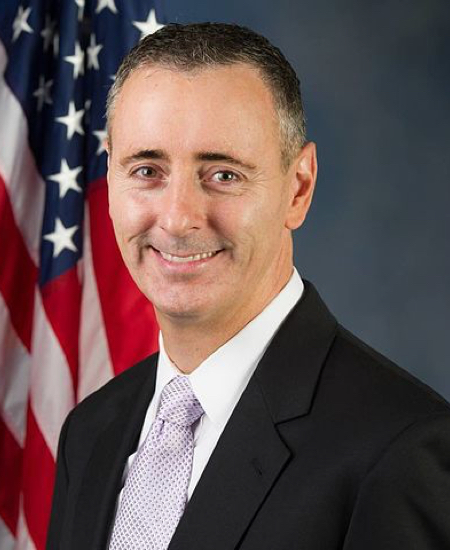
Rep. Brian K. Fitzpatrick
Sponsored bills
Maddy summaryThis bill expands outreach to service members transitioning out of the military through the Solid Start program. It requires the Department of Veterans Affairs to coordinate with the Department of Defense to reach out to service members 120-210 days before separation, with priority for women veterans. Key provisions include calling each service member during this window to explain transitional health care options and provide contact information for disability claims assistance, plus collecting suicide prevention resources for crisis support. The law directly affects service members separating from the military by mandating structured pre-separation support.
Maddy summaryHRES 875 is a symbolic resolution recognizing the 75th anniversary of The Arc of the United States, a national organization dedicated to advancing the rights of people with intellectual and developmental disabilities. It honors The Arc’s historical advocacy, including its role in landmark cases and legislation like the Individuals with Disabilities Education Act (IDEA). The resolution does not create new policy or affect any individuals or programs - it solely expresses the House’s recognition of The Arc’s contributions to inclusion and civil rights. This is a ceremonial gesture, not a substantive legislative action.
Maddy summaryThe Defense Biotechnology Strategy Act (HR 6009) requires the U.S. Department of Defense (DoD) to create a comprehensive strategy within one year of enactment, detailing how biotechnology will support national security. The strategy must address specific areas including developing commercial biomanufacturing facilities for defense-critical products, updating military specifications to use biotech-based items, establishing advance market commitments for biotech products, integrating biotechnology into military exercises, and enhancing international cooperation with NATO allies on biotechnology procurement and research. This bill directly affects DoD operations, defense contractors, and U.S. partnerships with NATO countries. It mandates concrete planning steps but does not create new funding or alter existing laws.
Maddy summaryHRES 864 is a ceremonial resolution honoring U.S. veterans on Veterans Day 2025. It does not create new laws or policies but formally recognizes veterans' service and sacrifice, calling on all Americans to observe Veterans Day. The resolution references historical context about Veterans Day's origins (from Armistice Day to honoring all veterans) but contains no concrete policy changes. It directly addresses the general public, urging them to participate in the observance. As a non-binding resolution, it affects no specific individuals or groups through legislative action.
Maddy summaryHR 5939 authorizes a Congressional Gold Medal to honor Medevac Marines and Navy Corpsmen who served in Vietnam from 1962 to 1975. The bill recognizes their critical role in saving lives through medical evacuations, which supported ground troops in high-risk combat zones across the I-Corps Tactical Zone. The medal, designed by the Treasury Secretary with input from the Defense Secretary, will be displayed at the National Museum of the United States Navy. This is a commemorative honor for specific service members, not a policy change affecting current legislation or beneficiaries.
Maddy summaryThe North Korean Human Rights Reauthorization Act of 2025 reauthorizes U.S. programs supporting human rights in North Korea through 2030, extending funding and reporting requirements from previous timelines. It mandates annual reports to Congress on U.S. efforts to improve human rights conditions, including coordination with international partners and support for nongovernmental organizations. The bill directs diplomatic actions urging China to halt forced returns of North Korean refugees, allow UNHCR access to refugees in China, and address refugee resettlement. It also requires the State Department to report on efforts to appoint a Special Envoy for North Korean Human Rights and expands U.S. support for information access into North Korea. These provisions directly affect U.S. foreign policy implementation, international humanitarian coordination, and the protection of North Korean refugees.
Maddy summaryThis bill creates the Historic Naval Ship Preservation Grant Program under the Department of the Interior to fund the physical preservation of decommissioned military vessels displayed at public sites like museums and memorials. It authorizes $5 million annually for competitive grants to state/local governments or nonprofits managing these "covered sites," covering vessel repairs, environmental protection, and education programs related to shipbuilding and submarine careers. The program directly supports organizations that maintain historic military vessels, ensuring public access to these educational resources. It does not alter existing vessel ownership or military operations but provides dedicated funding for their upkeep and educational use.
Maddy summaryHR 5987, the Total Force Family Education Act, requires military schools (DODEA) to automatically enroll children of reserve component service members who are on active duty under orders for accompanied permanent station changes. It applies specifically to reserve members performing active service with family relocation orders, directly affecting their families during military relocations. If space is unavailable at the school near the member’s permanent station, children are placed on a waitlist. This policy change modifies access rules to ensure consistent school enrollment for reserve families during duty assignments.
Maddy summaryThis bill changes HUD housing rules to exclude veterans' disability and dependency benefits from being counted as income. It directly affects veterans receiving disability compensation (under 38 U.S.C. Chapter 11) or dependency compensation (under 38 U.S.C. Chapter 13) who apply for HUD housing assistance. The key provision ensures these benefits are not considered when determining eligibility, benefit amounts, or rent calculations under HUD housing programs. This is a concrete policy adjustment to simplify access to housing support for veterans.