

Maddy summaryHRES 762 is a non-binding House resolution expressing congressional support for increasing Latino representation in science, technology, engineering, and mathematics (STEM) careers. It highlights that Latinos make up 18% of the U.S. workforce but only 8% of STEM workers, despite growing population and interest in STEM fields. The resolution cites challenges like unmet financial needs (70% of Latino students) and notes STEM job growth (10.8%) outpaces non-STEM sectors. It formally acknowledges the underrepresentation in STEM, encourages federal support for initiatives targeting Latino students, and recognizes Hispanic-serving institutions' role - without creating new programs or funding.
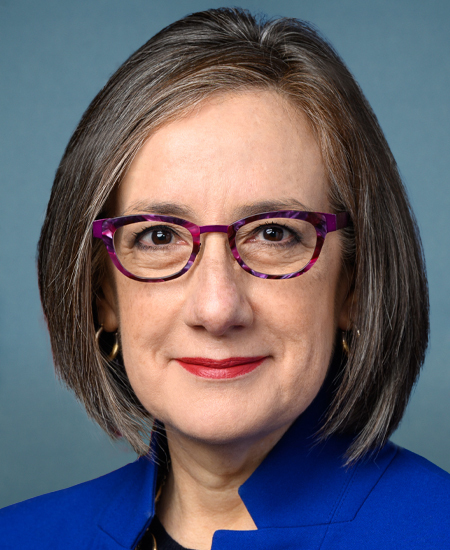
Rep. Andrea Salinas
Sponsored bills
This resolution expresses respect for the sovereignty of Mexico and condemns calls for military action in Mexico without Mexico's consent. The resolution also states that while the President has the inherent power to repel sudden attacks, the manufacture and sale of fentanyl does not constitute such a sudden attack or an armed invasion.
Maddy summaryThe Safe Schools Improvement Act (HR 6031) requires public elementary and secondary schools to implement comprehensive anti-bullying policies that specifically prohibit harassment based on protected characteristics like race, gender identity, disability, religion, and sexual orientation. It mandates schools to collect and publicly report annual data on bullying incidents while establishing clear grievance procedures for students and parents. The bill also requires states to submit biennial reports on school compliance and supports evidence-based interventions, such as restorative practices, to reduce exclusionary discipline. This legislation directly affects all public K-12 schools and students in the U.S., aiming to create safer learning environments through standardized policy requirements and data transparency.
Maddy summaryThis bill removes a previous exclusion that prevented temporary federal employees (including U.S. Postal Service staff and Members of Congress) from counting service after January 1, 1988, toward their retirement benefits. It allows these workers to have their post-1988 temporary service counted toward retirement eligibility if they pay a deposit to the retirement system. The change applies to anyone employed by the federal government on or after the bill's enactment date. The Office of Personnel Management must notify affected employees and create rules to implement this change.
Maddy summaryHR 6006 establishes a 3-year pilot program to improve summer meal access for children by providing grants to eligible community organizations (like schools or service institutions) to purchase or retrofit vehicles for delivering noncongregate meals. Grants of up to $100,000 per year prioritize entities serving high numbers of students eligible for free/reduced-price lunches and those with many children from socially disadvantaged backgrounds, while ensuring geographic diversity. Participants must use no more than 10% of funds for administrative costs and report annually on meals served and beneficiaries. The program is funded at $1 million annually for three years, with the Secretary required to submit a final report to Congress on its outcomes.
Keeping Drugs Out of Schools Act of 2023 This bill allows the Office of National Drug Control Policy to award grants for eligible entities to implement school-community partnerships for preventing and reducing substance use and misuse among youth. Eligible entity refers to a coalition that (1) is a Drug-Free Communities funded coalition on or before the date on which the coalition submits a grant application, and (2) has a memorandum of understanding in effect with not less than one local school to establish a school-community partnership.
Maddy summaryThe Reforming Disaster Recovery Act establishes a Long-Term Disaster Recovery Fund to improve federal assistance for communities recovering from major disasters, with a focus on helping low- and moderate-income households and distressed areas. It creates a new Community Development Block Grant Disaster Recovery Program that allocates funds based on unmet needs in the most impacted areas, requires at least 70% of funds to benefit low- and moderate-income persons, and allows preliminary funding of up to $5 million before full disaster assessment. The law mandates detailed grantee plans addressing housing, economic revitalization, infrastructure, and disaster mitigation, with requirements for public input, transparency, and coordination with FEMA and other agencies. It aims to strengthen long-term recovery by addressing pre-disaster challenges, reducing future risks through mitigation, and ensuring resources reach vulnerable communities most affected by disasters.
Maddy summaryHR 5950, the Quantum Instrumentation for Science and Engineering Act, establishes a new grant program under the National Science Foundation to upgrade research facilities and improve access to equipment for quantum information science. The bill directs the NSF to fund institutions of higher education, nonprofit organizations, or consortia to accelerate quantum technology development by upgrading research resources, enhancing equipment sharing across institutions, and providing hands-on training for students, including at community colleges. Key provisions require grantees to address materials and supply chain needs while facilitating coordination and professional staff support for quantum research operations. This legislation directly affects research institutions and students by expanding access to critical quantum research infrastructure and training opportunities.
Maddy summaryThe Rail Worker and Community Safety Act establishes a minimum 2-person crew requirement for most freight trains (with exceptions for smaller carriers or specific low-risk operations), mandates new safety regulations for hazardous materials transportation including advance notification to emergency response agencies, and requires rail carriers to provide employees with earned paid sick time (1 hour for every 30 hours worked). The bill also sets a minimum requirement of 425 federal rail safety inspectors with specialized expertise across various safety domains, along with additional funding for hiring and compensation. These provisions directly affect rail carriers, rail workers, and communities near rail operations, aiming to enhance rail safety and worker protections through concrete policy changes.
Maddy summaryHRES 754 is a symbolic House resolution recognizing the heritage, culture, and contributions of Latinas in the United States. It highlights Latinas' roles in business (owning over 2 million businesses), military service (45,710 active duty), arts (Oscar-winning artists like Rita Moreno), and public service, while noting persistent challenges like the 57-cent pay gap. The resolution does not create new laws or policies but formally honors these contributions and acknowledges the need for further progress toward equality. It was introduced by multiple representatives and referred to the Committee on Oversight and Accountability.