

Maddy summaryThis proposed constitutional amendment would limit Members of Congress to serving a maximum of three terms in the House of Representatives or two terms in the Senate. It directly affects current and future members by preventing those who have already served the maximum terms from seeking re-election. Key provisions include counting vacancies filled for more than a year (House) or three years (Senate) as a full term toward the limit, while excluding terms served before ratification from the count. As a constitutional amendment proposal, it requires approval by three-fourths of state legislatures to become law.
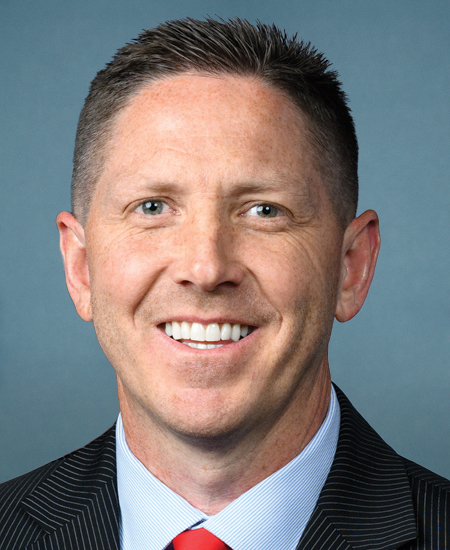
Rep. Josh Brecheen
Sponsored bills
Maddy summaryHRES 15 rescinds three subpoenas issued by the January 6th Select Committee to Stephen Bannon, Mark Meadows, Daniel Scavino Jr., and Peter Navarro, and withdraws the House's prior recommendations that they be found in contempt of Congress. The bill directly affects these four individuals by removing the legal force of the subpoenas and the contempt findings. It accomplishes this by formally withdrawing specific House resolutions (H.Res. 730, H.Res. 1037, and H.Res. 851) that had been adopted. The resolution also directs the Speaker to notify the Department of Justice that the subpoenas are void.
Maddy summaryHR 54, the WHO Withdrawal Act, directs the U.S. President to withdraw the United States from the World Health Organization (WHO) Constitution upon enactment and prohibits all federal funding for U.S. participation in the WHO or any successor organization. The bill repeals the 1948 law that established U.S. membership and funding for WHO participation. This legislation directly affects all federal departments and agencies that handle international health funding and diplomatic engagement, ending U.S. financial and legal ties to the WHO.
Maddy summaryHR 57, the "Ending Catch and Release Act of 2025," changes U.S. immigration enforcement for individuals apprehended at the border who request asylum. It prohibits immigration officers from releasing these individuals into the United States while their asylum claims are processed, requiring instead either detention for immigration court proceedings or immediate return to the border territory (like Mexico) for asylum consideration. The bill mandates that if an individual cannot be removed within 72 hours, they must remain detained until removal occurs, with no exception for parole. This directly affects asylum seekers arriving by land from contiguous foreign territories who are processed under Section 235 of the Immigration and Nationality Act.
Maddy summaryHR 24, the Federal Reserve Transparency Act of 2025, mandates a comprehensive audit of the Federal Reserve Board and Federal Reserve banks by the Government Accountability Office (GAO) within 12 months of enactment. The bill requires the GAO to submit a detailed report to Congress within 90 days of completing the audit, including findings, conclusions, and recommendations for legislative or administrative action. This audit replaces current limitations on reviewing Federal Reserve operations, particularly regarding entities like special purpose vehicles not previously subject to standard audits. The bill directly affects the Federal Reserve System by increasing congressional oversight of its financial activities and reporting mechanisms.
Maddy summaryHR 162, the First Amendment Accountability Act, creates a legal right for individuals to sue federal employees who violate their First Amendment rights (such as free speech or assembly) while acting under government authority. It directly affects citizens whose rights are infringed and federal employees (excluding the President/Vice President) who may face lawsuits. The bill allows victims to seek redress through court action, with courts having discretion to award attorney fees to the winning party. It explicitly excludes lawsuits against the federal government or employer for conduct within the scope of employment.
Maddy summaryHR 191, titled "Inflation Reduction Act of 2025," is a procedural bill that repeals the Inflation Reduction Act of 2022 (Public Law 117-169) and rescinds its unobligated funds. It directly affects the implementation of the 2022 law by nullifying its provisions and redirecting any remaining unspent budget authority. The bill contains no new policy mechanisms or direct impacts on citizens or programs; its sole action is to undo the previous legislation. This is a straightforward repeal measure with no new funding or regulatory changes. The title is misleading, as the bill does not create a new inflation reduction policy but instead reverses the prior law.
Maddy summaryHR 174 adds new grounds for inadmissibility and deportability related to specific fraud offenses. It targets non-citizens convicted of, or admitting to, Social Security fraud (using false account numbers/cards), identification document fraud, or fraud involving pandemic-era loans or grants (like those under the Small Business Act or American Rescue Plan). The bill amends immigration law to make such individuals ineligible for entry into the U.S. or subject to removal. It directly affects non-citizens who commit these defined offenses, not general fraud cases. The policy change is limited to these specific fraud categories tied to federal pandemic programs and Social Security/ID documents.
Maddy summaryThis bill (HR 190) would require the expedited removal of individuals who entered the U.S. illegally on or after January 20, 2021, regardless of whether they claimed asylum or feared persecution. It directly affects noncitizens who entered without inspection after that date, removing standard asylum processing for them. The key provision mandates faster deportation without court hearings for this group, except for current U.S. military members as of January 1, 2025. The bill changes immigration enforcement procedures by bypassing asylum eligibility checks for a specific cohort of recent arrivals. It does not address broader immigration policy or provide new pathways for legal status.
Maddy summaryThe ALVIN Act prohibits the federal government from providing any new funding to the Manhattan District Attorney's Office. It requires the office to repay all federal funds it has spent since January 1, 2022, and cancels any unspent allocated funds previously provided to the office. This bill directly affects the Manhattan DA's Office by eliminating its federal funding sources and imposing repayment obligations for past spending. The key provisions are a funding ban and a mandatory repayment requirement for post-2022 expenditures.