

Maddy summaryHRES 1391 is a formal House resolution congratulating the American Motorcyclist Association (AMA) on its 100th anniversary. It recognizes the AMA's role since 1924 in promoting motorcycling, representing riders, sanctioning events, and preserving motorcycle heritage through its Hall of Fame in Ohio. This resolution has no legislative effect - it is a symbolic gesture of appreciation with no policy changes or direct impact on individuals or regulations.
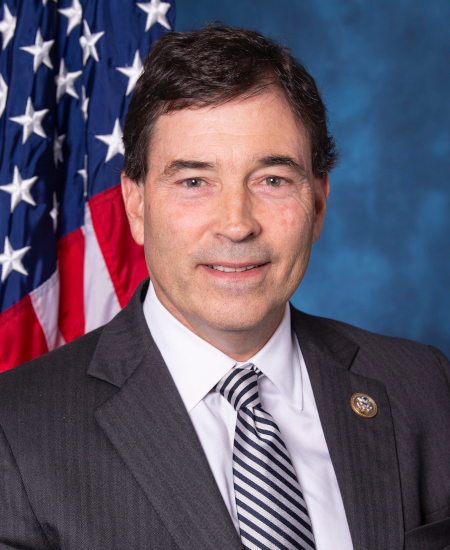
Rep. Troy Balderson
Sponsored bills
Maddy summaryHRES 1371 is a House resolution condemning the Biden Administration and Vice President Kamala Harris for failing to secure the U.S. border. It cites statistics including over 9.7 million illegal immigration encounters since 2021 and the end of the Remain in Mexico program as evidence. As a symbolic resolution with no policy changes, it publicly expresses the House's disapproval of current border policies without altering any laws or enforcement actions.
Maddy summaryHRES 1365 is a non-binding House resolution calling for the immediate termination of Kimberly Cheatle as U.S. Secret Service Director. It directly addresses the Secret Service Director and the executive branch, though it has no legal force to remove her from office. The resolution’s sole provision is a formal request for her termination, reflecting the sponsors' position on her leadership. As a symbolic gesture, it does not change her employment status or require any action from the President or Secret Service.
Maddy summaryThis bill creates a new Public Participation Division within the Federal Energy Regulatory Commission to better coordinate assistance for the public during regulatory proceedings. The Division would be led by a Director who provides technical and logistical support to individuals and groups participating in Commission processes, but cannot offer financial compensation for legal or expert witness fees. The legislation also requires the new Director to submit a report to Congress within one year detailing how the Division operates and how its functions overlap with existing Commission authorities. This structure aims to streamline public engagement in energy regulation while maintaining clear boundaries on the type of assistance provided.
Maddy summaryHR 4581, the Maternal and Child Health Stillbirth Prevention Act of 2024, amends Title V of the Social Security Act to explicitly allow federal funds to support stillbirth prevention efforts. The bill directs states receiving Title V maternal and child health funds to use these resources for evidence-based programs and research aimed at reducing stillbirths, including tracking fetal movements, screening for growth issues, smoking cessation, and community support. It directly affects state maternal health programs by clarifying that existing funding can now cover specific stillbirth prevention activities previously not explicitly permitted. The law changes how Title V funds may be spent, adding clear provisions for research and programs targeting stillbirth reduction. This is a policy change that updates funding guidelines without creating new programs or mandates.
Maddy summaryHR 5567, the CLASS Act, prohibits public elementary and secondary schools receiving federal education funds from accepting money or entering contracts with the Chinese government, Chinese Communist Party, or entities acting on their behalf. Schools must disclose any foreign funding sources within 30 days, including the foreign entity’s name, country, amount received, and any terms or conditions. This applies to all schools receiving federal financial assistance under applicable programs, as defined by existing education laws. The bill aims to restrict foreign influence in U.S. school systems by requiring transparency about foreign funding. It does not alter school curricula or address content, only funding sources and disclosure requirements.
Maddy summaryThis bill (HR 2365, Public Law 118-66) directs the U.S. Department of Health and Human Services (HHS) to establish the National Parkinson’s Project. It requires HHS to create and update a coordinated national plan for preventing, diagnosing, treating, and researching Parkinson’s disease and related disorders (including multiple system atrophy and progressive supranuclear palsy), while coordinating federal research and care efforts across agencies like the NIH, CDC, and VA. The law mandates annual progress assessments, an advisory council with patient advocates and diverse experts, and annual reports to Congress on federal Parkinson’s programs and recommendations for improvement. It affects federal agencies managing Parkinson’s-related programs and aims to improve care coordination and research efficiency for patients and caregivers, with the law sunsetting in 2035.
Maddy summaryHRES 1330 is a non-binding resolution supporting Alzheimer’s and Brain Awareness Month in June. It recognizes the significant impact of Alzheimer’s disease on millions of Americans, including high prevalence among women and racial/ethnic minorities. The resolution encourages the public to educate themselves about Alzheimer’s, advocate for research and support services, and offer assistance to affected individuals, families, and caregivers. It does not create new programs, funding, or legal obligations. The resolution is directed at raising public awareness and fostering community support during the designated month.
Maddy summaryHR 8903, the UPRISERS Act, would revoke the student visas of international students on F, J, or M visas who are convicted of assaulting a police officer or participating in riot-related violence. It specifically targets offenses like inciting riots, organizing riots, committing violence during riots, or aiding others in such activities. The bill amends immigration law to make these convictions grounds for visa revocation and deportation. This policy directly affects international students holding these specific visa types who face criminal charges for the listed violent acts.
Maddy summaryHR 8902, the FAFSA Act of 2024, terminates federal student aid eligibility for individuals convicted of assault against police officers or specific riot-related offenses (including inciting, organizing, or participating in riots involving violence). It requires affected individuals to repay any grants received under Title IV of the Higher Education Act, converting those grants into unsubsidized loans that accrue interest from the grant award date. These converted loans are ineligible for any forgiveness, cancellation, or repayment assistance programs under federal law. The bill applies to aid received for programs of study ongoing at the time of the conviction.