

Maddy summaryThis bill authorizes a Congressional Gold Medal to honor the "Hello Girls" - female telephone operators who served in the Army Signal Corps during World War I. They provided critical battlefield communications in France (connecting 26 million calls), wore military uniforms, and faced combat risks, but were denied veteran benefits for 60 years due to being classified as civilian contractors. The medal recognizes their pioneering service, devotion, and the decades-long struggle to gain military recognition. The award follows similar recognition for other WWII women veterans and aims to correct the historical injustice they faced.
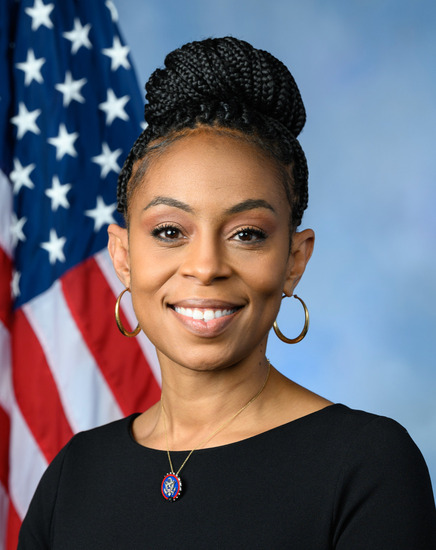
Rep. Shontel M. Brown
Sponsored bills
Maddy summaryHRES 219 is a symbolic resolution (not a binding bill) expressing the House’s support for inclusive public schools. It urges schools to adopt historically accurate, diverse educational materials that reflect the nation’s diversity, foster parent-educator partnerships, and eliminate discrimination based on race, disability, LGBTQ+ identity, or other factors. The resolution emphasizes creating safe, well-rounded learning environments that prepare all students for success while protecting students’ civil rights. It directly affects public school districts, educators, families, and students by encouraging practices that promote equity and inclusion.
Maddy summaryHRES 185 is a non-binding House resolution declaring racism a public health crisis in the United States. It directly affects communities of color - including Black, Latino, Native American, and Asian American populations - who experience significant health disparities like higher infant mortality rates, shorter life expectancy, and worse outcomes for conditions like heart disease and diabetes. The resolution cites evidence showing racism meets all four public health crisis criteria (widespread impact, unfair distribution, preventable, and lacking current solutions) and calls for a nationwide strategy to dismantle systemic racism and address its health impacts. It does not create new laws or funding but urges federal agencies to prioritize racial equity in health policy.
Maddy summaryHR 1499, the Good Jobs for Good Airports Act, requires airports receiving federal funding to pay covered service workers a minimum wage of at least $15 per hour (or higher if state/local laws or federal standards require it) and provide minimum fringe benefits. It directly affects workers in specific airport roles like security, ticketing, concessions, cleaning, and ramp services at small, medium, or large hub airports. The bill mandates annual certification from airport operators to verify compliance with these wage and benefit standards, tied to eligibility for federal airport grants under the Infrastructure Investment and Jobs Act. It does not override stricter state or local laws but ensures minimum standards for workers supporting airport operations.
Maddy summaryThe Paycheck Fairness Act (HR 17) strengthens equal pay protections by amending the Fair Labor Standards Act. It prohibits pay discrimination based on sex, pregnancy, childbirth, sexual orientation, gender identity, and sex characteristics. The bill modifies employer defenses for pay differences to require demonstration that any disparity is job-related, consistent with business necessity, and accounts for the entire pay differential. It also prohibits employers from relying on wage history when making hiring decisions or setting pay, enhances penalties for violations, and requires the EEOC to collect compensation data disaggregated by sex, race, and national origin.
Maddy summaryHCONRES 22 is a symbolic resolution recognizing the persistent gender pay gap in the U.S., documenting that women earn significantly less than men across racial groups (e.g., Black women earn 67 cents for every dollar earned by White men). It highlights the economic impact of this disparity, noting women lose over $958 billion annually in wages and face barriers like occupational segregation and workplace harassment. The resolution does not create new laws or policies but formally acknowledges the issue and reaffirms Congress’s commitment to addressing the gap. It references specific Equal Pay Days (e.g., March 14 for all women) to underscore the time women must work to earn what men did the previous year.
Maddy summaryHR 1478 requires federal firearm dealers to implement physical security measures, including locked cabinets, security systems, and video surveillance, to prevent gun thefts. The bill mandates quarterly inventory checks, extends background check record retention from 24 hours to 90 days, and repeals restrictions that prevented the ATF from disclosing crime gun trace data. It increases penalties for violations, including fines up to $20,000 and license suspension or revocation for repeated failures. The bill directly affects all federally licensed firearm dealers, manufacturers, and importers by holding them accountable for security failures and recordkeeping. This legislation aims to reduce gun trafficking by strengthening enforcement and transparency in the firearm industry.
Maddy summaryThe Stop Corporate Capture Act requires agencies to disclose conflicts of interest when industry-funded studies or research are submitted for rulemaking consideration. It mandates that such studies be made publicly available and requires agencies to assess the social equity impacts of proposed rules. The bill creates an Office of the Public Advocate to help improve public participation in rulemaking, particularly for historically excluded groups. These provisions aim to increase transparency in regulatory decision-making and ensure rulemaking considers broader public interests beyond corporate interests.
Maddy summaryHR 1269, the Healthy Meals Help Kids Learn Act of 2023, increases federal funding for school meals. It adds 45 cents per lunch and 28 cents per breakfast served by school food authorities (like school districts) starting July 1, 2023, covering all meal types (free, reduced-price, and full-price). The extra payments are adjusted annually beginning July 1, 2024, based on inflation. This directly affects schools serving meals under the National School Lunch and Child Nutrition programs, providing them with additional funding to support meal costs.
Maddy summaryHR 1387, the Civics Learning Act of 2023, amends the Elementary and Secondary Education Act to strengthen civics education in public schools. It requires states to prioritize innovative civics teaching - including lessons on the Constitution, civil rights history, and community engagement - and allocates $70 million for grants to schools, with specific funding targets (30% for elementary, 30% for middle, max 40% for high school). The bill directly affects public elementary, middle, and high schools, particularly those serving high-need communities, by mandating new curriculum activities like service learning, student governance participation, and after-school programs. Grants must include reporting on how schools meet civics education goals, with the Department of Education required to submit annual progress reports to Congress.