

Maddy summaryThis bill makes federal funding for the WIC program mandatory by requiring Congress to appropriate necessary funds annually for fiscal year 2026 and each subsequent year. It removes discretionary language from WIC funding requirements and clarifies that eligible participants must be served without participation limits. The bill directly affects low-income pregnant women, new mothers, and young children who rely on WIC for nutrition assistance, ensuring continued access to critical food, health, and education services.
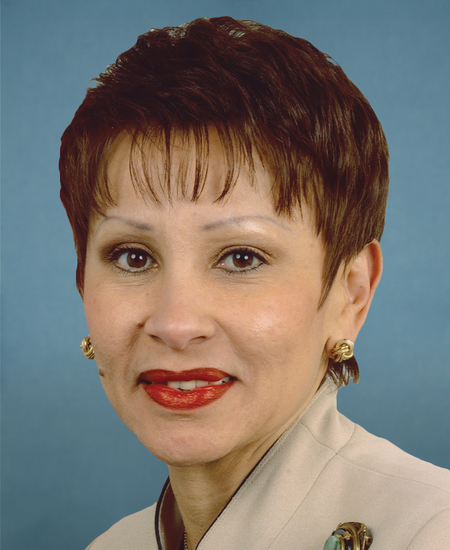
Rep. Nydia M. Velázquez
Sponsored bills
Maddy summaryHCONRES 56 is a symbolic congressional resolution recognizing the persistent wage gap faced by Latina women in the U.S. It specifically highlights that, as of 2024, Latina workers earn just 58 cents for every dollar paid to White, non-Hispanic men working full-time year-round. The resolution designates October 8, 2025, as "Latina Equal Pay Day" to raise awareness about this disparity, which affects over 14 million Hispanic women in the labor force. It does not create new laws or policies but formally acknowledges the economic impact of this gap on Latina families and the broader economy.
Maddy summaryHR 5705 requires the federal government to reimburse state agencies for funds they use to maintain participation in the WIC program during a government shutdown. It directly affects states that cover WIC costs using their own money when federal funding lapses. The bill establishes a process where states can seek reimbursement from the federal government after the shutdown ends. This ensures states aren’t burdened with costs for a federal funding gap that impacts nutrition assistance for women, infants, and children.
Maddy summaryHR 5673, titled "Stop the Trump Electricity Price Hikes Act," would reinstate financial assistance awards terminated by the Department of Energy under a May 15, 2025, secretarial memorandum. It directly affects recipients of these awards - likely energy or infrastructure projects - that had their funding cut, by restoring their financial support as if the terminations never occurred. The key mechanism requires the Department to treat all such terminated awards as valid and continuing, overriding prior termination actions. This bill does not address electricity pricing, consumer rates, or introduce new energy regulations.
Maddy summaryThis bill allows federal employees who are furloughed or working without pay during a government shutdown (defined as a funding lapse of at least two weeks) to withdraw up to $30,000 from their Thrift Savings Plan (TSP) retirement savings without the usual 10% early withdrawal penalty. The $30,000 limit adjusts annually for inflation and applies per shutdown period. It also ensures missed TSP loan payments during a shutdown are not treated as taxable distributions, and employees can later contribute back up to the withdrawn amount without penalty. The bill directly affects federal workers facing financial hardship due to funding lapses, providing immediate relief through modified TSP rules.
Maddy summaryThis bill adds Medicare coverage for multi-cancer early detection screening tests (blood or biological tests analyzing cell-free DNA) starting January 1, 2028. It directly affects Medicare beneficiaries aged 68 and older (starting in 2028, with the age limit increasing by 1 year annually), requiring tests to be FDA-cleared and deemed reasonable/necessary by the Secretary for early cancer detection across multiple organ sites. Payment will initially match current stool DNA test rates before 2031, then shift to a lower rate or new payment system after 2031, with limits preventing more than one test per year. The bill explicitly states it does not alter coverage for existing cancer screenings like breast, colorectal, or prostate cancer tests.
Maddy summaryHRES 781 is a symbolic resolution designating October 1, 2025, as "National Animal Rescue Day" to raise public awareness about animal adoption and spaying/neutering. It does not create new laws or allocate funds but encourages nationwide events like adoption drives and educational campaigns to support shelters and reduce pet overpopulation. The resolution directly aims to benefit animal shelters, rescue organizations, and potential adopters by promoting the importance of adopting pets and responsible pet ownership. As a non-binding gesture, it focuses on awareness rather than policy change.
Fair Pay for Federal Contractors Act of 2025 This bill provides back pay to employees of federal contractors who lost pay due to a lapse in appropriations (i.e., government shutdown) in FY2026. Specifically, the bill provides appropriations for federal agencies that are subject to a lapse in appropriations in FY2026 to adjust the price of contracts to compensate federal contractors for providing back pay to employees who were affected by the lapse in appropriations. The agencies must adjust the price of any contract for which the contractor stopped, suspended, delayed, or interrupted all or part of the work under the contract due to the lapse in appropriations. The price adjustment must compensate the contractor for reasonable costs incurred to (1) compensate employees who were furloughed or laid off, were not working, or experienced a reduction of hours or compensation due to the lapse in appropriations; or (2) restore paid leave taken by employees during the lapse in appropriations if the contractor required or permitted employees to use paid leave as a result of the lapse in appropriations. The maximum amount of weekly compensation of an employee for which an adjustment may be made under this bill may not exceed the lesser of (1) the employee's actual weekly compensation, or (2) $1,442 (or a lesser amount pro-rated for an employee who works less than 40 hours per week). The bill also requires the Office of Federal Procurement Policy to submit a report to Congress on the adjustments made under this bill.
Maddy summaryHR 5655, the "No Shame at School Act of 2025," requires schools to eliminate stigma around unpaid meal fees for students. It mandates that school districts automatically certify eligible students for free/reduced meals (replacing "may" with "shall"), prohibits physical segregation or public identification of students with unpaid fees (like special tokens or name lists), and bans withholding grades or activities due to meal debt. The bill also prevents schools from using debt collectors for meal fees and requires adjustments to past meal claims when eligibility is later confirmed. This directly affects schools, local educational agencies, and students from households with outstanding meal fees.
Maddy summaryHCONRES 53 is a symbolic resolution expressing the House of Representatives' support for recognizing September 26, 2025, as "World Contraception Day" and outlining policy principles for improving contraception access. It calls for expanding universal, affordable access to contraception - including over-the-counter options - and addressing disparities affecting Black, Indigenous, and other marginalized communities facing barriers like "contraceptive deserts" and discrimination. The resolution urges federal action to support comprehensive sex education, eliminate insurance cost-sharing for contraception, train healthcare providers on contraceptive care, and fund programs like Title X. It does not create new laws but affirms congressional support for policies that ensure reproductive autonomy and reduce preventable health issues linked to limited access.