

Maddy summaryThis bill amends Medicare rules to improve payment for air ambulance services. It requires air ambulance providers to submit detailed cost and revenue data every three years (including fixed costs per base, utilization rates, and revenue) to the Medicare Secretary. The Secretary must then revise fee schedules based on this data and stakeholder input, aiming to better align payments with actual costs. A separate provision mandates the GAO to study average operating costs, payment adequacy, geographic variations, and make recommendations within one year of data collection starting. The bill directly affects Medicare beneficiaries using air ambulances and the providers operating those services.
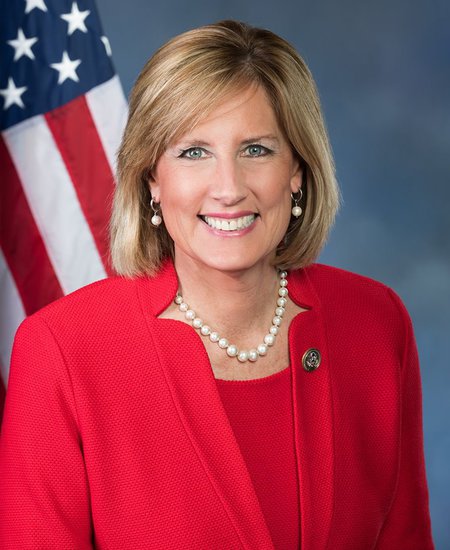
Rep. Claudia Tenney
Sponsored bills
Maddy summaryHR 4780 (USTRx Act) creates a new Chief Pharmaceutical Trade Negotiator within the U.S. Trade Representative's office to address foreign government drug pricing policies. The bill requires annual reports assessing whether high-income countries' pharmaceutical pricing practices are unfair, non-market-based, or deny U.S. market access. If such practices are found, the USTR must submit a response plan within 30 days to Congress. This bill directly affects U.S. pharmaceutical manufacturers and consumers by aiming to ensure foreign governments pay their "fair share" for drug innovation developed in the U.S.
Maddy summaryHJRES 111 is a joint resolution seeking congressional disapproval of a U.S. Fish and Wildlife Service rule on barred owl management. The rule, published in September 2024, outlined strategies to reduce barred owl populations to protect the endangered spotted owl. Under the Congressional Review Act, this resolution would nullify the rule, preventing its implementation. If enacted, the rule would have no legal effect, and the agency could not enforce the barred owl management strategy.
Maddy summaryHR 4676, the Modern Firearm Safety Act, preempts state and local laws that require specific handgun design features not mandated by federal law. It directly affects handgun manufacturers, sellers, and consumers in jurisdictions with such requirements, such as those mandating loaded indicators, magazine safety mechanisms, or identification systems. The bill prohibits any state or local government from enforcing or creating regulations that require handguns to include features like cartridge identification, magazine insertion sensors, or other mechanisms not required by federal statute. This law establishes federal standards as the sole requirement for handgun design, overriding conflicting state or local regulations.
Maddy summaryThis bill adds "spotted lanternfly control" as a priority research area under federal agricultural funding, authorizing grants to develop and share tools for combating the invasive spotted lanternfly pest (Lycorma delicatula). It directly affects farmers, agricultural communities, and state departments of agriculture in states like Pennsylvania where the pest causes significant crop damage. The key provision amends existing law to allow research grants focused on creating effective treatments and management strategies for the pest. The bill also extends the funding period for all high-priority research initiatives through 2030.
Maddy summaryThis bill creates a tax incentive for U.S. corporations to distribute company stock to employees. To qualify, corporations must have 500+ full-time U.S. employees, be U.S.-domiciled, and meet specific share distribution requirements (e.g., distributing at least 1% of shares to employees or maintaining a 5% "SHARE ratio" of shares granted). Eligible corporations receive a 3% reduction in corporate income tax and can deduct the fair market value of distributed stock. Employee stock received under these plans is excluded from taxable income, directly benefiting workers at qualifying companies while lowering tax liability for the corporations.
Maddy summaryThis bill would amend U.S. immigration law to exclude from birthright citizenship children born in the United States to parents who are unlawfully present in the country, serving as foreign diplomats, or engaged in hostile operations (such as espionage or terrorism). It directly affects the citizenship status of children born to undocumented immigrants and certain foreign agents. The key mechanism adds specific exceptions to Section 301(a) of the Immigration and Nationality Act, explicitly stating that such children are not "subject to the jurisdiction" of the United States. The bill claims to codify existing common law exceptions but creates new legal categories for exclusion beyond current practice.
Resident Physician Shortage Reduction Act of 2025 This bill increases the number of residency positions eligible for graduate medical education payments under Medicare for qualifying hospitals, including hospitals in rural areas and health professional shortage areas. The bill provides for an additional increase of 2,000 positions per fiscal year from FY2026-FY2032; during this period, each hospital may receive up to 75 additional positions in total under the bill and current law. Additionally, one-third of the positions that are made available under the bill must be allocated to hospitals that are already operating above applicable resident limits. The bill also requires the Government Accountability Office to report on strategies to increase the diversity of the health professional workforce, including with respect to representation from rural, low-income, and minority communities.
Maddy summaryHR 4655 establishes a grant program to fund joint U.S.-Israel research on post-traumatic stress disorder (PTSD). It directs the Secretary of Defense to award grants to U.S. academic institutions or nonprofits partnering with Israeli organizations to develop new PTSD treatments and diagnostics. The program requires research projects to address specific PTSD needs identified by the Department of Defense and mandates joint agreements between U.S. and Israeli entities. Grants must be used for collaborative research, with reports submitted to Congress within 180 days of project completion, and the program terminates 7 years after the first grant is awarded.
Veterans' Assuring Critical Care Expansions to Support Servicemembers Act of 2025 or the Veterans' ACCESS Act of 2025 This bill addresses the administration of the Veterans Community Care Program (VCCP) and other Department of Veterans Affairs (VA) health care matters. Among other provisions regarding the VCCP, the bill establishes in statute access standards that determine when a veteran is eligible to receive non-VA care through the VCCP, requires the VA to notify veterans regarding their eligibility for care within two business days after the VA is aware the veteran is seeking care, and extends the deadline for the submittal of claims under the VCCP by health care entities and providers. The VA must address its mental health treatment programs by establishing a standardized screening process to determine whether a veteran satisfies criteria for priority or routine admission to a mental health residential rehabilitation treatment program or a program for residential care for mental health and substance abuse disorders, tracking the performance of medical facilities and Veterans Integrated Service Networks in meeting the requirements for mental health treatment screenings and timely admission to treatment programs under such screenings, and establishing an appeal process for when a veteran is denied admission to a covered treatment program or is accepted into a program but not offered bed placement in a timely manner. Additionally, the VA must establish an online self-service module for veterans to request and manage appointments, track referrals, and appeal and track decisions related to requests for care.