

Maddy summaryThe SEEK HELP Act provides legal protections for individuals responding to opioid overdoses. It shields people who administer reversal drugs (like naloxone) in good faith from civil lawsuits, and protects those who call for help (e.g., 911) from drug possession charges related to the overdose. States can use federal funds to run public awareness campaigns about these protections and train law enforcement and healthcare workers. The bill also requires a federal report to assess how well these protections are working across states and their impact on overdose outcomes.
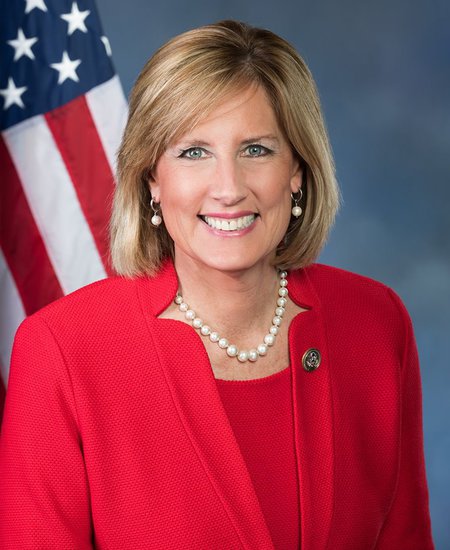
Rep. Claudia Tenney
Sponsored bills
Maddy summaryThis bill prohibits life, disability, and long-term care insurers from denying coverage, canceling policies, or increasing premiums based solely on a person's status as a living organ donor. It directly protects living organ donors by preventing insurance discrimination unrelated to actual health risks. The bill also requires the Health and Human Services Secretary to update public educational materials about organ donation benefits, risks, and insurance impacts within six months of enactment. These materials will include information on the new insurance protections established by the bill. The law relies on state insurance regulators for enforcement of the insurance provisions.
Maddy summaryThis bill establishes two grant programs to support construction and manufacturing apprenticeship colleges. It provides up to $500,000 per college for community outreach (e.g., connecting with high schools, rural businesses, and workforce boards) and student support services (e.g., academic advising, mental health resources, childcare). The grants target increasing enrollment and completion rates for underrepresented groups, including rural students, first-generation college students, and minorities. Funding of $5 million annually (2026-2030) requires colleges to report on program outcomes like retention rates and diversity metrics. The law directly affects apprenticeship colleges offering work-based training in construction and manufacturing fields.
Maddy summaryHR 4620 amends federal law to include rioting as a form of racketeering activity under Title 18, United States Code. This change would allow prosecutors to charge individuals who organize or participate in riots as part of a larger criminal enterprise under federal racketeering laws. The bill specifically targets coordinated riot activities linked to organized crime, not isolated or spontaneous protests.
Maddy summaryThis bill modifies the tax treatment of certain alcoholic beverages by merging the classification for mead and low-alcohol wine under a single tax category. It defines "low alcohol by volume wine" as still wine containing less than 8.5% alcohol by volume and no more than 0.64 grams of carbon dioxide per 100 milliliters. This change directly affects winemakers and honey-based beverage producers who previously faced different tax rules for these products. The updated definition takes effect for wine produced after December 31, 2025.
Maddy summaryThis bill amends the Family and Medical Leave Act (FMLA) and federal employee leave rules to clarify that recovery from organ donation surgery qualifies as a "serious health condition." It directly affects private-sector workers covered by the FMLA and federal civil service employees. The key change adds "including recovery from surgery related to organ donation" to the definitions of serious health conditions in both the FMLA and federal leave statutes. This ensures eligible employees can use their existing family and medical leave benefits to recover after donating an organ, without requiring new leave entitlements.
Maddy summaryThis bill adds Ontario County, New York, to the list of counties covered by the Northern Border Regional Commission under federal law. It directly affects residents and local officials in Ontario County by expanding their access to the commission's economic development programs and federal funding. The key mechanism is a simple update to the geographic boundaries listed in Title 40 of the U.S. Code, inserting "Ontario" after "Oneida" in the commission's authorized region. This change ensures Ontario County qualifies for the commission's support without altering existing programs or creating new requirements.
Maddy summaryHR 1522, the Federal Retirement Fairness Act, changes federal retirement rules to include temporary employees' service after January 1, 1988, in retirement benefit calculations. It directly affects temporary federal employees (including U.S. Postal Service workers) and Members of Congress who served after that date. The bill removes a previous cutoff date in retirement law, allowing their temporary service to count toward retirement eligibility. This means eligible temporary workers can now have their full service period considered when calculating retirement benefits.
Maddy summaryThis bill prohibits the Department of Transportation from providing any federal grants or funds to local governments (including cities, counties, or other state subdivisions) that are classified as "sanctuary cities." A sanctuary city is defined as any local government that restricts sharing immigration status information with federal authorities or refuses to comply with certain immigration detainer requests from Homeland Security. The Secretary of Transportation may grant a limited waiver for specific projects if they certify it serves national interest and notify Congress 15 days in advance. The law directly affects jurisdictions with policies limiting cooperation on immigration enforcement, withholding all DOT funding for transportation projects.
Maddy summaryHR 4546, the FIRE Act, prohibits federal, state, and local governments from restricting or banning firearm magazines based on their capacity (how many rounds they hold). It bans federal enforcement of such restrictions, nullifies state or local laws imposing capacity-based limits on magazines, and defines "firearm magazine" and "capacity" for clarity. This directly affects firearm owners who use magazines of certain capacities and law enforcement agencies responsible for enforcing firearm regulations. The law takes effect 30+ days after enactment.