

Maddy summaryHR 4961 requires U.S. Customs and Border Protection (CBP) to maintain the operating hours at all U.S. ports of entry along the U.S.-Canada border at or above the levels in effect before the COVID-19 pandemic's public health emergency declaration. This directly affects CBP operations and travelers, commercial truckers, and businesses relying on cross-border trade through these ports. The key provision mandates CBP to ensure hours equal to or greater than pre-pandemic schedules without requiring new approvals. The bill creates a concrete policy change by legally binding CBP to specific operational hours, avoiding any reduction below the 2019 baseline.
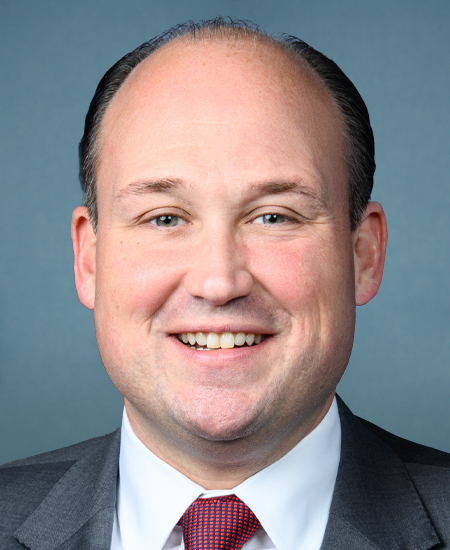
Rep. Nicholas A. Langworthy
Sponsored bills
Maddy summaryThis bill expands Medicare coverage to include home infusion treatment for people with Alpha-1 Antitrypsin Deficiency Disorder, a genetic condition causing lung and liver damage. It specifically covers "augmentation therapy" (a standard treatment using Alpha-1 Proteinase Inhibitor) when administered in a patient's home by qualified providers. Medicare will pay 80% of the cost for intravenous kits and up to 2 hours of nursing care during these home infusions, starting January 1, 2025. The change directly affects Medicare beneficiaries with this condition who require home-based treatment and their qualified home infusion providers.
Maddy summaryThis bill amends Medicare rules to improve access to home infusion therapy, which delivers IV medications at home for conditions like chronic diseases. It adds pharmacy services (including drug preparation and compounding) to covered Medicare benefits and creates a payment rule: if a supplier isn't physically present during therapy, Medicare pays 50% of the full rate instead of denying payment. It also allows nurse practitioners and physician assistants to establish and review home infusion care plans, previously limited to physicians. These changes, effective January 2024, directly affect Medicare beneficiaries requiring home infusion therapy and providers delivering these services.
Maddy summaryThe Leveling the Playing Field 2.0 Act (HR 3882) updates U.S. trade law to better address international trade practices that disadvantage American businesses. It establishes special rules for handling multiple investigations of the same merchandise (called "successive investigations"), requiring the Commerce Department to consider previous injury determinations when making new findings. The bill also creates mechanisms to address market distortions from foreign government subsidies, including currency undervaluation, and strengthens procedures to prevent duty evasion through certification requirements for importers. These changes primarily affect foreign exporters of goods subject to U.S. antidumping and countervailing duty investigations, as well as U.S. importers of those goods.
Maddy summaryHR 3033, the Solidify Iran Sanctions Act of 2023, repeals the expiration date (sunset) from the 1996 Iran Sanctions Act. This permanently maintains existing U.S. sanctions targeting Iran's weapons programs, ballistic missile development, and support for terrorism. The bill directly affects Iran's government and entities involved in these activities by ensuring sanctions remain in effect without needing periodic renewal. It does not impose new sanctions but preserves current policy by removing the automatic expiration provision.
Maddy summaryHR 2769, the "Stop Penalizing Working Seniors Act," allows seniors over 65 who are enrolled only in Medicare Part A (hospital insurance) to contribute to Health Savings Accounts (HSAs). It removes a current tax rule that barred these seniors from HSA contributions while they remain working. The bill amends the Internal Revenue Code to exclude this group from the existing restriction, effective for taxable years beginning after December 31, 2022. This change directly affects working seniors with limited Medicare coverage who previously could not use HSAs for medical expenses.
Maddy summaryHR 2707, the MADE in America Act, creates a 25-30% federal tax credit for manufacturers producing specific health products (including drugs, medical devices, personal protective equipment, and diagnostic tools) in designated "distressed zones." These zones are census tracts with over 30% poverty rates that are also designated as qualified opportunity zones. The credit applies to wages paid to employees working in these zones and qualified production costs (like equipment and materials), increasing to 30% if most employees reside locally. It directly affects pharmaceutical and medical device manufacturers operating in eligible low-income areas, aiming to incentivize domestic production of critical health products.
Maddy summaryThis bill would require Medicare to cover FDA-approved blood tests that screen for multiple cancers simultaneously (like breast, lung, or colorectal cancer) for beneficiaries. It directly affects Medicare recipients aged 65+ who could access these new screenings once per year, without prior authorization. The key provision adds "multi-cancer early detection screening tests" to Medicare's covered services under Part B, defining them as blood tests analyzing cell-free DNA, while maintaining existing coverage for standard screenings like mammograms. The bill does not change current coverage for individual cancer screenings but ensures Medicare keeps pace with new medical technology.
Maddy summaryThis bill expands Medicare Part B coverage to include specific pharmacist services, directly affecting Medicare beneficiaries and pharmacists who provide these services. It adds new coverage for pharmacist evaluations and treatments related to certain illnesses (like COVID-19, flu, or strep throat) and public health emergencies, requiring payment at 80% of the lesser of actual charge or 85% of physician payment rates (100% during emergencies). The bill also prohibits balance billing for these services, ensuring beneficiaries pay only the standard Medicare copayment. These changes aim to improve access to pharmacist care during health crises while aligning payment with existing physician service frameworks.
Maddy summaryHR 1610 would modernize Medicare coverage for chiropractic care by removing the current restriction that limited beneficiaries to one chiropractic service per visit. It expands coverage to include all services provided by licensed chiropractors within their state-authorized scope, aligning Medicare with VA, military, and private insurance practices. The bill requires chiropractors to complete a Secretary-approved educational webinar to cover non-spinal services, while still allowing payment for spinal manipulation treatments without this requirement. This directly affects Medicare beneficiaries seeking chiropractic care and chiropractors seeking Medicare reimbursement for their services.