

Maddy summaryHR 1690 (ORDER Act) establishes a framework for U.S. diplomatic agreements with Mexico, Honduras, El Salvador, and Guatemala to manage immigration flows in the Western Hemisphere. It requires Mexico to process asylum claims for migrants from other countries within Mexico and accept migrants waiting for U.S. asylum decisions, while also mandating Honduras, El Salvador, and Guatemala to process asylum claims for migrants in their territories. The bill commits the U.S. to accelerating asylum adjudications, supporting asylum capacity in partner countries, and conducting a feasibility study for a U.S. law enforcement center in southern Mexico to combat crime and reduce migration. These provisions directly affect migrants seeking asylum, the governments of the four partner nations, and U.S. immigration enforcement coordination.
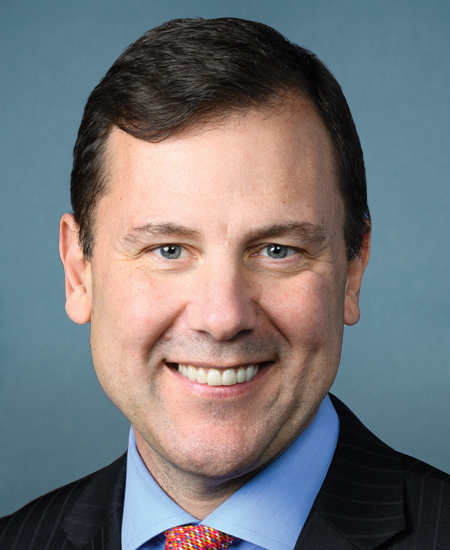
Rep. Thomas H. Kean, Jr.
Sponsored bills
This resolution urges transatlantic unity on a robust deterrence policy to maintain peace and stability across the Taiwan Strait. The resolution also (1) encourages NATO allies to work with their partners in the Indo-Pacific to address shared global security challenges; and (2) commends the people of Taiwan for their commitment to democracy, civil liberties, and human rights.
Maddy summaryThis bill increases the tax deduction rate for volunteer drivers who transport people or property for qualifying organizations. It sets a minimum standard mileage rate of 14 cents per mile for general charitable driving but allows the IRS to set a higher rate (at least equal to the standard business mileage rate) specifically for volunteer transportation services. The change directly affects volunteers driving for tax-exempt organizations like charities, religious groups, or community nonprofits. It modifies IRS rules to better align charitable mileage deductions with current business travel rates. The policy change applies to tax returns filed for 2023 and later.
Maddy summaryThis bill protects living organ donors from insurance discrimination by prohibiting life, disability, and long-term care insurers from denying coverage, raising premiums, or altering policy terms solely because someone donated an organ while alive. It also updates the Family and Medical Leave Act to include recovery from organ donation surgery as a qualifying health condition, allowing donors to take protected leave for this purpose. Additionally, the bill requires the Health and Human Services Secretary to update public educational materials about living donation benefits, risks, and insurance protections within six months of enactment. These changes directly affect living organ donors, insurers, employers, and healthcare systems by ensuring fair access to insurance and workplace leave.
Maddy summaryHR 2955, the Stop Institutional Child Abuse Act, establishes a Federal Work Group to improve data collection and best practices for youth in residential programs (like therapeutic schools, treatment centers, and group homes). The Work Group, composed of federal agency representatives and diverse stakeholders, must develop national data standards, create risk assessment tools, and issue biennial reports with recommendations to enhance safety, reduce restraints, and expand community-based alternatives. It directly affects youth with mental health, substance use, or disability needs placed in these facilities, as well as agencies overseeing them. The bill also mandates a National Academies study to examine funding, oversight, and barriers to community care. These mechanisms aim to standardize data tracking and promote less restrictive, trauma-informed care for youth in residential programs.
Maddy summaryHRES 332 is a symbolic House resolution expressing congressional support for Ukraine's victory in its war against Russia. It affirms that U.S. policy should aim for Ukraine to prevail and return to its internationally recognized 1991 borders, with the House declaring that Ukraine's victory must be secured through NATO integration. The resolution also calls for the Russian Federation to pay reparations, global support for Ukraine's rebuilding, accountability for Russian leaders, and justice for victims of wartime crimes. As a non-binding "sense of Congress" resolution (not a law), it does not change U.S. policy but reflects the House's stance on supporting Ukraine.
Maddy summary# Summary of the National Apprenticeship Act of 2023 This proposed legislation establishes a comprehensive framework to modernize and expand apprenticeship programs in the United States, creating a National Apprenticeship System designed to address current workforce needs and increase opportunities for underrepresented populations. ## Key Provisions ### System Framework - Establishes clear quality standards for apprenticeship, pre-apprenticeship, and youth apprenticeship programs - Requires programs to meet specific criteria including: - Minimum 2,000 hours of on-the-job learning (with flexibility for some occupations) - Structured related instruction (minimum 144 hours per year for time-based programs) - Progressive wage scales - Safety training and equipment - Equal opportunity for participation ### Program Types - **Apprenticeship Programs**: Time-based, competency-based, or hybrid models for full-time workers - **Pre-apprenticeship Programs**: Designed to prepare individuals without meeting minimum qualifications for apprenticeship - **Youth Apprenticeship Programs**: For high school students, integrating academic and work-based learning ### Diversity & Inclusion Requirements - Requires programs to actively recruit and support nontraditional apprenticeship populations: - Women, minorities, individuals with disabilities - Long-term unemployed - Individuals impacted by the criminal or juvenile justice system - Foster and former foster youth - Individuals with barriers to employment ### Registration & Oversight - Requires formal registration of programs with a registration agency - Mandates annual performance data collection and reporting - Establishes procedures for program review, technical assistance, and deregistration ### Grant Program (Title II) - Authorizes $4 billion over five years ($400M-$800M annually) for competitive grants - Funds will support: - Creation and expansion of apprenticeship programs in high-demand sectors - Encouraging employer participation, particularly with small- and medium-sized businesses - Supporting intermediaries (national and local) - Strengthening educational alignment with secondary and postsecondary systems ### Evaluation Requirements - Mandates independent evaluations of grant programs - Requires collection of disaggregated data by program type and demographic factors - Focuses on measuring outcomes including: - Program completion rates - Employment rates in related fields - Wage growth - Increased participation of underrepresented groups ### Conforming Amendments - Repeals outdated sections of the American Competitiveness and Workforce Improvement Act of 1998 - Amends the Immigration and Nationality Act to align with the new apprenticeship system This legislation represents a significant investment in workforce development, aiming to create a more inclusive, high-quality apprenticeship system that responds to 21st-century labor market needs while expanding opportunities for historically underrepresented groups.
Fostering Innovation in Global Development Assistance Act of 2023 or the FIGDA Act of 2023 This bill addresses innovation in U.S. development assistance. For example, the bill authorizes or provides statutory authority for the United States Agency for International Development (USAID) to appoint a chief innovation officer; employ innovation fellows to expand the use of innovation, technology, and research with respect to USAID development assistance authorities; provide flexible funding to support expanded use of innovation; and participate in the Global Innovation Fund and designate a USAID employee to serve on the fund's board as a representative of the United States. The bill also requires USAID to establish a program to integrate proven and rigorously demonstrated innovations into USAID programming and operating budgets.
Maddy summaryThe Armenian Genocide Education Act (HR 2803) establishes a Library of Congress program to support U.S. schools in teaching about the Armenian Genocide of 1915-1923. The program will develop educational resources, provide teacher training, and maintain an online resource center to help schools incorporate accurate historical information into curricula. It prioritizes schools without existing Armenian Genocide education programs, with $2 million authorized annually for five years. The Librarian of Congress will report yearly on the program’s activities to Congress.
Maddy summaryHR 2771, the Portal for Appraisal Licensing Act of 2023, creates a central online system called the "Portal for Appraiser Credentialing and AMC Registration Information" to streamline licensing for appraisers and appraisal management companies (AMCs). The portal will handle license applications, renewals, background checks (via FBI access), fee payments, and education course tracking, connecting state licensing agencies with appraisers and AMCs. It directly affects appraisers, AMCs, and state licensing agencies by replacing fragmented state processes with a single, standardized system. The bill ensures states retain final authority over licensing decisions while using the portal for data sharing and administrative efficiency.