

Keeping School Meals Flexible Act This bill extends authority through June 30, 2023, for the Department of Agriculture (USDA) to waive certain requirements for the school meal programs to address COVID-19. The bill extends the authority for USDA to issue a single waiver of child nutrition program requirements to all states under the National School Lunch Program for purposes of providing meals and snacks with appropriate safety measures with respect to COVID-19; grant waivers of requirements to allow non-congregate feeding in the Child and Adult Care Food Program for purposes of providing meals and snacks with appropriate safety measures with respect to COVID-19; and grant waivers related to the nutritional content of meals served in child nutrition programs if it determines the waiver is necessary to provide meals and snacks, and there is a food supply chain disruption due to COVID-19.
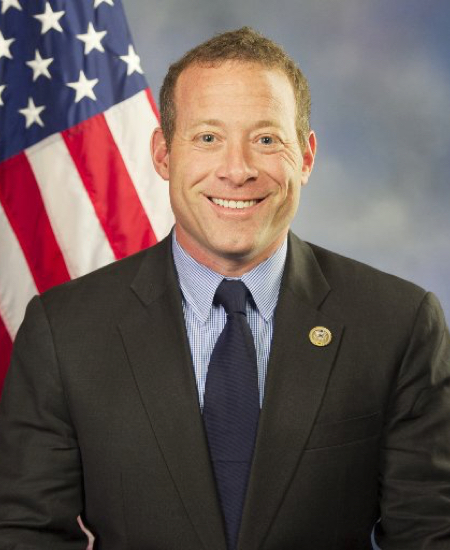
Rep. Josh Gottheimer
Sponsored bills
Blockchain Solutions for Small Businesses Act This bill requires the Small Business Administration to study the current and potential uses of blockchain technology (i.e., the technology that supports digital currencies such as Bitcoin) in making loans to qualified small businesses.
VA Same-Day Scheduling Act of 2022 This bill requires the Department of Veterans Affairs (VA) to ensure that when a veteran enrolled in the VA health care system contacts the VA by telephone to schedule an appointment for care or services at a VA facility, the scheduling for the appointment occurs during that telephone call.
Medical and Health Stockpile Accountability Act of 2022 This bill requires the Department of Health and Human Services (HHS) to develop an automated application to track the amount of supplies in the Strategic National Stockpile and in similar inventories maintained by states, tribes, territories, and private entities (e.g., hospitals). Additionally, HHS must (1) provide for an annual exercise to test the effectiveness of the application, and (2) establish a program to assist health care entities in obtaining automated vendor management systems.
Improving Corporate Governance Through Diversity Act of 2021 This bill requires certain issuers of securities to disclose the racial, ethnic, and gender composition of their boards of directors and executive officers, as well as the status of any of those directors and officers as a veteran. It also requires the disclosure of any plan to promote racial, ethnic, and gender diversity among these groups. The Securities and Exchange Commission must establish a Diversity Advisory Group to report on strategies to increase gender, racial, and ethnic diversity among board members.
This resolution expresses support for the goals and ideals of Korean American Day and honors the 119th anniversary of the arrival of the first Korean immigrants to the United States.
Maddy summaryThis bill (H.J.Res. 68) is a symbolic, procedural measure that would require the President to issue an annual proclamation designating a day as "Democracy Day." It directs the President to call on state/local governments and citizens to observe the day through programs and activities, with January 6 referenced as a potential date. The bill does not create new government programs or change existing laws - it only establishes a recurring presidential proclamation. It directly affects federal, state, and local governments by encouraging them to participate in annual observances. The bill has no budgetary impact and remains focused on promoting civic engagement through a designated day.
COVID-19 Supply Chain Relief Act This bill establishes in the Executive Office of the President an Office of Supply Chain Policy, headed by a Supply Chain Czar appointed by the President. Such office shall coordinate a national response to supply chain disruptions, shortages, and increased prices; serve as a resource for states as they deploy unused COVID-19 relief funds to address supply chain bottlenecks; and appoint, oversee, and coordinate among regional supply chain leaders. Unobligated COVID-19 relief funds may be made available to states, territories, or tribal governments to help address supply chain disruptions and labor shortages by undertaking one or more of the following: promoting employment in the trucking and logistics industries, implementing apprenticeship programs to recruit more women and military veterans to become licensed commercial motor vehicle drivers, undertaking port and shipping infrastructure projects, and providing relief from other detrimental economic impacts of supply chain disruptions. The Department of Commerce must issue guidance, as needed, to define the scope of the allowable activities listed above. Further, Commerce shall publish and submit to Congress a report on (1) supply chain points of congestion or blockages; (2) underlying causes of supply chain disruptions, shortages, and delays; and (3) other supply chain shortcomings which could be remedied with public or private investment.
Survivor Benefits Fairness Act This bill adjusts the effective date of a reduction or discontinuance of compensation, dependency and indemnity compensation, or pension payments to the last day of the month during which a marriage, remarriage, or death of a payee occurs.
PrEP Access and Coverage Act This bill requires private health insurance plans to cover prescription drugs that prevent HIV, including related screenings, diagnostic procedures, administrative fees, and clinical follow-ups, without any cost-sharing obligation for the plan holder. Further, insurance plans must not impose any preauthorization requirement for this coverage. These coverage requirements also apply to public health insurance programs, including Medicare, Medicaid, and the Children's Health Insurance Program. Additionally, the bill prohibits denying, limiting, or qualifying coverage or increasing premiums for disability insurance, long-term care insurance, or life insurance policies based on an individual taking medication for HIV prevention. The bill further requires the Department of Health and Human Services to award grants to states, or directly to eligible local organizations, to provide uninsured individuals and underinsured individuals access to prescription drugs and related services that prevent HIV. The Centers for Disease Control and Prevention also must develop a public awareness campaign that focuses efforts in communities with a high need for HIV prevention treatment.