

Maddy summaryThe Jersey Pride Tax Credit Act of 2026 creates a new tax incentive for businesses that sell products promoting the state of New Jersey. Under this bill, eligible businesses can claim a tax credit equal to 25 percent of the sales revenue from these specific products. Additionally, the legislation requires Port Authorities to give preference when renting commercial space to businesses selling such promotional items. These changes apply to products sold after December 31, 2025.
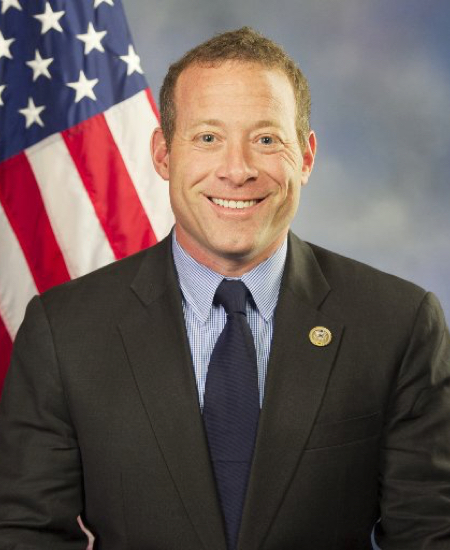
Rep. Josh Gottheimer
Sponsored bills
Maddy summaryThis resolution expresses the sense of the House of Representatives that antisemitic rhetoric from specific online personalities, including Hasan Piker and Candace Owens, is dangerous and contributes to hatred. It urges social media platforms to enforce their policies against hate speech and calls on public officials to condemn such conduct without exception. The bill does not impose new laws or penalties but instead highlights specific instances of alleged hate speech to emphasize the need for responsibility among influencers and technology companies.
Maddy summaryThis bill, titled the Protecting Human Rights and Public Health in Foreign Assistance Act, aims to cancel specific regulations issued by the Department of State. It directly affects the federal government by prohibiting any department or agency from enforcing, implementing, or proposing rules related to protecting life, combating discriminatory equity ideology, and combating gender ideology in foreign aid programs. The legislation treats these cancelled rules as if they never existed, effectively nullifying their impact on future foreign assistance policies.
Maddy summaryThis resolution expresses support for designating April as Sikh History Month to honor the history, culture, and contributions of the Sikh community. The measure highlights key Sikh principles such as equality, honest labor, and community service, noting that April often coincides with the significant festival of Vaisakhi. By encouraging schools and public institutions to host educational events, the bill aims to increase awareness of Sikh heritage and reduce misunderstandings about the faith. Ultimately, this non-binding resolution serves as a formal recognition of the Sikh community's role in American society rather than creating new legal requirements.
Maddy summaryThis bill prohibits U.S. universities from receiving federal research and development funding for five years if they previously accepted money from specific foreign governments for projects involving artificial intelligence, biotechnology, or quantum computing. The targeted foreign entities include China, Russia, Iran, North Korea, Venezuela, Cuba, Turkey, and Qatar, as well as organizations closely tied to these nations. By restricting access to future defense-related grants, the legislation aims to prevent institutions that have collaborated with these countries on sensitive technologies from participating in subsequent national security research.
Maddy summaryThis bill requires U.S. universities seeking federal research funding to certify that they do not operate permanent branch campuses in specific countries, including China, Russia, Iran, and others. The legislation defines a branch campus as a separate location that offers degree programs and has its own faculty and administrative control. If a university operates such a campus in a listed nation, it would be ineligible to receive federal research awards. The list of restricted countries also allows the Secretary of State to add additional nations as appropriate.
PI Post Acute Access Act This bill allows for separate payment under Medicare to skilled nursing facilities for items and services that are needed to administer intravenous immune globin (IVIG) to patients with primary immune deficiency diseases (rare genetic disorders that impair the immune system and increase vulnerability for other infections).
Maddy summaryThe American Leadership in AI Act establishes a new Center for AI Standards and Innovation at the National Institute of Standards and Technology to develop voluntary guidelines and testing methods for ensuring artificial intelligence systems are safe, secure, and reliable. It creates a large National Artificial Intelligence Research Resource to provide researchers and students with access to advanced computing power and data, while also launching prize competitions to solve specific challenges in areas like national security and health care. The bill mandates that every federal agency appoint a full-time Chief Artificial Intelligence Officer to oversee responsible AI use and requires the development of federal standards for AI procurement and security. Additionally, the legislation strengthens penalties for financial crimes committed using AI, protects workers who report AI safety violations from retaliation, and expands educational programs to improve AI literacy among K-12 students and the broader workforce.
Maddy summaryThis resolution designates April as "Community College Month" to recognize the significance of community colleges across the United States. It celebrates over 1,000 institutions for their role in providing accessible higher education and workforce training, and for contributing to the nation's economic prosperity.
Maddy summaryThis bill establishes a grant program within the Department of Veterans Affairs to fund nonprofit and research organizations in developing artificial intelligence tools that predict suicide risks among veterans. Selected organizations will create models that combine military service records with clinical health data to identify risk factors, with a focus on areas experiencing high suicide rates and long wait times for mental health care. The program prioritizes applicants capable of building secure, interoperable systems that can be shared across the VA network, though the resulting technology remains the intellectual property of the winning organizations. Funding for this pilot initiative is authorized until September 30, 2029.