

Maddy summaryThis bill adds Medicare coverage for multi-cancer early detection screening tests (blood or biological tests analyzing cell-free DNA) starting January 1, 2028. It directly affects Medicare beneficiaries aged 68 and older (starting in 2028, with the age limit increasing by 1 year annually), requiring tests to be FDA-cleared and deemed reasonable/necessary by the Secretary for early cancer detection across multiple organ sites. Payment will initially match current stool DNA test rates before 2031, then shift to a lower rate or new payment system after 2031, with limits preventing more than one test per year. The bill explicitly states it does not alter coverage for existing cancer screenings like breast, colorectal, or prostate cancer tests.
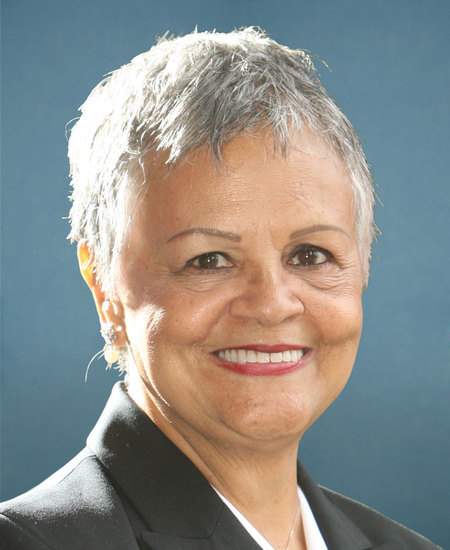
Rep. Bonnie Watson Coleman
Sponsored bills
Fair Pay for Federal Contractors Act of 2025 This bill provides back pay to employees of federal contractors who lost pay due to a lapse in appropriations (i.e., government shutdown) in FY2026. Specifically, the bill provides appropriations for federal agencies that are subject to a lapse in appropriations in FY2026 to adjust the price of contracts to compensate federal contractors for providing back pay to employees who were affected by the lapse in appropriations. The agencies must adjust the price of any contract for which the contractor stopped, suspended, delayed, or interrupted all or part of the work under the contract due to the lapse in appropriations. The price adjustment must compensate the contractor for reasonable costs incurred to (1) compensate employees who were furloughed or laid off, were not working, or experienced a reduction of hours or compensation due to the lapse in appropriations; or (2) restore paid leave taken by employees during the lapse in appropriations if the contractor required or permitted employees to use paid leave as a result of the lapse in appropriations. The maximum amount of weekly compensation of an employee for which an adjustment may be made under this bill may not exceed the lesser of (1) the employee's actual weekly compensation, or (2) $1,442 (or a lesser amount pro-rated for an employee who works less than 40 hours per week). The bill also requires the Office of Federal Procurement Policy to submit a report to Congress on the adjustments made under this bill.
Maddy summaryThe Colorectal Cancer Payment Fairness Act eliminates out-of-pocket costs for Medicare beneficiaries receiving colorectal cancer screenings. It amends Medicare rules to remove coinsurance requirements, ensuring 100% coverage for these screenings starting in 2027 (replacing the previous 85% coverage through 2026). This directly affects Medicare beneficiaries, particularly seniors and older adults eligible for preventive care. The key mechanism is a straightforward policy change to the Medicare payment structure for these specific screenings, removing cost-sharing barriers to encourage early detection. The bill does not alter funding or create new programs, only adjusting existing coverage terms.
Maddy summaryHR 5655, the "No Shame at School Act of 2025," requires schools to eliminate stigma around unpaid meal fees for students. It mandates that school districts automatically certify eligible students for free/reduced meals (replacing "may" with "shall"), prohibits physical segregation or public identification of students with unpaid fees (like special tokens or name lists), and bans withholding grades or activities due to meal debt. The bill also prevents schools from using debt collectors for meal fees and requires adjustments to past meal claims when eligibility is later confirmed. This directly affects schools, local educational agencies, and students from households with outstanding meal fees.
Maddy summaryHRES 772 is a symbolic House resolution expressing support for National Public Lands Day (observed September 27, 2025). It encourages U.S. citizens to visit public lands on this fee-free day, recognizing their cultural, spiritual, and economic value. The resolution cites existing statistics on public lands' economic contributions (e.g., $252 billion in economic output from Bureau of Land Management lands in 2024) but does not create new policies or alter fees. As a procedural resolution, it has no binding effect and serves only to promote awareness of existing public land access.
Maddy summaryHR 5604, the National Guard Proper Use Act, prohibits military and National Guard personnel from being ordered to enforce federal immigration laws. It adds new sections to military law (Title 10 for active forces and Title 32 for the National Guard), explicitly stating members cannot be directed to perform duties related to immigration enforcement. This directly affects military commanders who might attempt to assign such tasks and ensures National Guard members remain focused on their core missions, not civilian immigration enforcement. The bill references the Posse Comitatus Act (18 U.S.C. §1385), a longstanding law that limits military involvement in domestic law enforcement. It clarifies existing legal boundaries without creating new programs or funding.
Maddy summaryThis bill allows individuals applying for government benefits to deduct certain insurance costs from their reported income when determining eligibility. It covers auto insurance for vehicle owners, home/renter insurance, and flood insurance for primary residences. These deductions apply to both federal programs (like SNAP or Medicaid) and state/local programs receiving federal funding. The change directly affects people seeking assistance by reducing their counted income for benefit calculations.
Maddy summaryHRES 764 is a symbolic House resolution recognizing persistent disparities in mental health access and treatment for Black youth. It cites alarming statistics, including a 149% rise in suicide rates among Black adolescents (2007-2023) and higher rates of suicide attempts among Black high school students. The resolution calls on the current administration to continue previous efforts addressing these disparities, incorporate recommendations from the Congressional Black Caucus’s "Ring the Alarm" report, and protect the Substance Abuse and Mental Health Services Administration (SAMHSA) as an independent agency. It does not create new laws or allocate funds but serves as a formal acknowledgment of the crisis and a request for policy continuity.
Maddy summaryHRES 759 is a non-binding resolution expressing support for designating September 2025 as "National Children's Emotional Wellness Month" to increase public awareness about children's emotional health. It does not create new laws or allocate funds but highlights statistics showing rising mental health challenges among children, including high rates of depression, anxiety, and limited access to care. The resolution encourages public attention to these issues and acknowledges the role of mental health professionals and nonprofits in supporting children's well-being. It directly affects public discourse and awareness efforts, not specific individuals or programs.
Maddy summaryHRES 761 is a symbolic House resolution expressing support for designating September 23, 2025 (Bruce Springsteen’s birthday) as "Bruce Springsteen Day" to honor his musical contributions. It does not create new laws or affect any individuals or groups - it simply recognizes his impact on American music, New Jersey culture, and his work highlighting working-class experiences. The resolution cites his career achievements, including 21 studio albums, 20 Grammy Awards, and his role in addressing social themes through music. This is a non-binding gesture of appreciation, not a policy change.