

Maddy summaryThis bill establishes the New York-New Jersey Watershed Restoration Program to coordinate and fund habitat restoration and water quality improvements across the shared watershed region. It creates a competitive grant program providing federal matching funds (up to 90% for small/rural/disadvantaged communities) to state/local governments, nonprofits, and tribes for projects advancing habitat restoration, climate resilience, and public access. The program prioritizes communities facing environmental injustice and requires coordination with existing regional conservation plans like the Hudson River Estuary Program. Funding of $20 million annually (2026-2031) will support these activities, with 75% dedicated to the grant program and all projects supplementing existing conservation efforts.
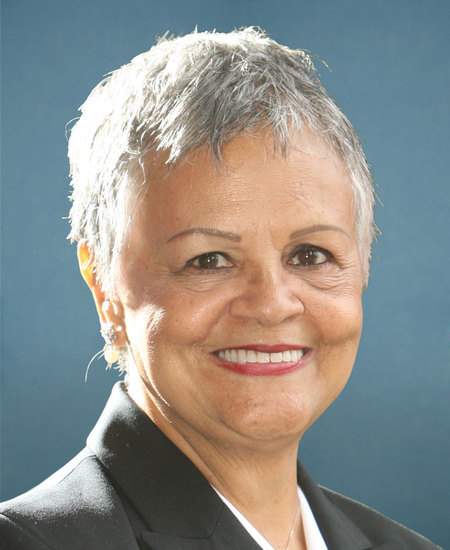
Rep. Bonnie Watson Coleman
Sponsored bills
Maddy summaryHRES 792 is a symbolic resolution designating May 31, 2026, as "Youth Mental Health Day" and September 9 annually as "Youth Suicide Prevention Day." It calls for increased investments in youth mental health services and encourages state and local governments to adopt these observances while promoting community-based mental health initiatives. The resolution does not create new laws or allocate funding but aims to raise awareness about the youth mental health crisis, which disproportionately affects marginalized groups like LGBTQ+, Black, Indigenous, and low-income young people. It references CDC and NIH data showing rising rates of depression, suicidal ideation, and suicide among U.S. youth, particularly ages 10-34.
Maddy summaryHR 5705 requires the federal government to reimburse state agencies for funds they use to maintain participation in the WIC program during a government shutdown. It directly affects states that cover WIC costs using their own money when federal funding lapses. The bill establishes a process where states can seek reimbursement from the federal government after the shutdown ends. This ensures states aren’t burdened with costs for a federal funding gap that impacts nutrition assistance for women, infants, and children.
Maddy summaryThis bill creates a federal grant program to help communities develop non-police mental health crisis response teams. It provides funding for local governments, clinics, fire departments, and nonprofits to recruit behavioral health professionals, establish co-response teams (combining mental health clinicians with emergency responders), and integrate these teams into 911 or 988 dispatch systems. The grants specifically support replacing police as the primary responders for mental health crises with clinician-led mobile teams or emergency medical services, while respecting existing state laws on detention. Recipients must report on response outcomes, diversion rates (cases handled without police), and community feedback.
Maddy summaryHR 5725, the Mental Health Crisis Response Act of 2025, establishes a federal grant program to help state and local governments create health-centered alternatives for mental health emergencies. It provides $25 million annually (2027-2031) for jurisdictions to embed mental health professionals in 911 systems, develop direct routing to crisis hotlines like 988, and build partnerships between emergency services and dispatch centers. The bill specifically aims to reduce law enforcement involvement in behavioral health crises by creating streamlined pathways to crisis care, without requiring police removal or overriding state emergency authority laws. Jurisdictions receiving grants must report on response times, use of force, and diversion rates to health services.
Maddy summaryHR 5720, the Federal Worker Childcare Protection Act of 2025, would provide reimbursement to federal employees who face a pay gap during a government funding lapse (starting October 1, 2025) while paying for childcare. It directly affects federal workers who are furloughed or working without pay during such a lapse. Employees would receive reimbursement for childcare costs if they provide documentation, such as receipts from a childcare provider, to the General Services Administration. This reimbursement is subject to available congressional appropriations and does not guarantee payment.
Maddy summaryHR 5673, titled "Stop the Trump Electricity Price Hikes Act," would reinstate financial assistance awards terminated by the Department of Energy under a May 15, 2025, secretarial memorandum. It directly affects recipients of these awards - likely energy or infrastructure projects - that had their funding cut, by restoring their financial support as if the terminations never occurred. The key mechanism requires the Department to treat all such terminated awards as valid and continuing, overriding prior termination actions. This bill does not address electricity pricing, consumer rates, or introduce new energy regulations.
Maddy summaryHR 5689, the "Shutdown Guidance for Financial Institutions Act," requires federal banking regulators (like the Fed and FDIC) to issue guidance within 180 days of enactment. The guidance directs financial institutions to help consumers and businesses affected by government shutdowns - such as furloughed federal workers, District of Columbia employees, or contractors with reduced income - by offering flexible payment options, modifying loan terms, and preventing temporary payment difficulties from harming credit scores. Regulators must also issue a press release within 24 hours of a shutdown starting to notify institutions and the public. The bill mandates a post-shutdown report to Congress within 90 days and potential guidance updates if issues arise.
Maddy summaryHR 5685, the PNA Modernization Act, increases the minimum monthly cash allowance under Medicaid for people living in long-term care facilities. It raises the individual allowance from $30 to $60 per month (effective January 2026) and the couple allowance from $60 to $120 per month. The bill also includes an automatic adjustment mechanism: starting after November 2025, these allowances will increase by the same percentage as Social Security benefit adjustments. This directly affects Medicaid beneficiaries residing in nursing homes or similar institutions, providing them with higher guaranteed personal spending funds.
Maddy summaryThis bill allows federal employees who are furloughed or working without pay during a government shutdown (defined as a funding lapse of at least two weeks) to withdraw up to $30,000 from their Thrift Savings Plan (TSP) retirement savings without the usual 10% early withdrawal penalty. The $30,000 limit adjusts annually for inflation and applies per shutdown period. It also ensures missed TSP loan payments during a shutdown are not treated as taxable distributions, and employees can later contribute back up to the withdrawn amount without penalty. The bill directly affects federal workers facing financial hardship due to funding lapses, providing immediate relief through modified TSP rules.