

Maddy summaryThis bill provides $2.29 billion for veterans' compensation and pensions and $597 million for readjustment benefits to address funding shortfalls. It requires the VA Secretary to submit reports on budget forecasting improvements and to regularly update Congress on fund usage through 2026. The bill mandates an Inspector General review of the causes behind the 2024 Veterans Benefits Administration funding shortfall and the expected 2025 Veterans Health Administration shortfall. These provisions focus on improving financial accountability and preventing future funding gaps for veterans' programs. The bill is focused on funding and oversight rather than changing benefit eligibility or amounts.
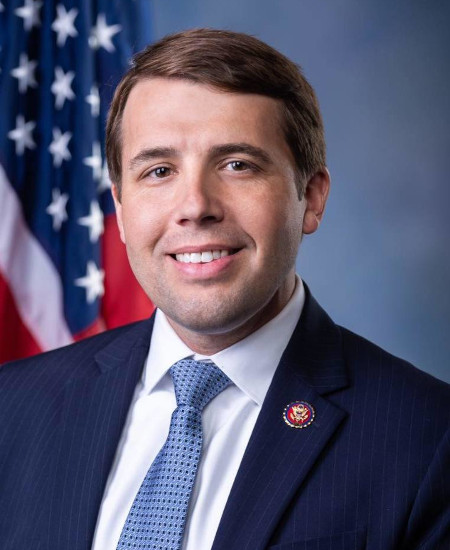
Rep. Chris Pappas
Sponsored bills
Maddy summaryHR 9699, the Pay Our Troops Act, ensures military personnel and key support staff continue receiving pay during government funding gaps in fiscal year 2025. It appropriates funds to cover pay and allowances for active-duty troops, Department of Defense civilians, and qualifying contractors supporting military operations, if regular appropriations aren't enacted. The funding remains in effect until the earliest of: a new appropriations law, a funding resolution without such funding, or January 1, 2026. This bill does not change pay rates or create new policies - it guarantees existing pay continuity during budget transitions.
Maddy summaryHR 6319 (the 911 SAVES Act of 2023) requires the Office of Management and Budget to reclassify public safety telecommunicators as "Protective Service Occupations" within 30 days of enactment. This change corrects their current misclassification in the federal Standard Occupational Classification (SOC) system, which is used for statistical data on jobs. The bill directly affects how these professionals - critical in emergency calls involving missing children, active threats, and officer safety - are officially categorized in government workforce data. It does not create new benefits or funding but aims to better recognize their lifesaving role through accurate federal job classification.
Maddy summaryThis bill creates a new occupational category (code 31-1123) within the federal Standard Occupational Classification system specifically for direct support professionals (DSPs) who assist people with intellectual or developmental disabilities. It directly affects DSPs, state agencies, and federal data collectors by reclassifying their work - currently grouped under home health aides - into a distinct category. The key mechanism is revising the SOC system to better track DSP workforce data, address high turnover rates (43% nationally), and recognize their unique role in promoting clients' independence and community inclusion. This change aims to improve data accuracy for addressing staffing challenges, without altering service delivery or benefits.
Maddy summaryThis bill allows states to require boaters to pay state fees related to boating (such as for search and rescue, safety programs, or invasive species control) as a condition for receiving a vessel number. It affects boaters who need vessel registration and state agencies that issue vessel numbers. States can collect these fees together with other vessel numbering fees, and must use the funds exclusively for recreational boating safety, access, waterway use, or invasive species efforts. The bill amends federal law to clarify that states may implement these fee requirements without conflicting with existing federal provisions.
Maddy summaryThis bill directs the Joint Committee on the Library to procure a statue of Benjamin Franklin and place it in the U.S. Capitol. The committee must secure the statue within two years of the bill's enactment and install it in a public-accessible location by January 1, 2026, for viewing during Capitol Visitor Center guided tours. It is a procedural measure with no policy changes or direct impact on constituents or legislation.
Maddy summaryHR 6160 reauthorizes the existing Lifespan Respite Care Program under the Public Health Service Act, extending its funding period from fiscal years 2020-2024 to 2024-2028. This program provides temporary relief for family caregivers of individuals with chronic illnesses or disabilities, directly benefiting caregivers and the people they support. The bill makes no changes to program eligibility or benefits - only extends the current funding authorization. It affects caregivers and care recipients who rely on this support, ensuring continued access to respite services through 2028.
Maddy summaryThis bill modifies Medicaid and CHIP rules to let eligible out-of-state healthcare providers enroll without extra state screening. It applies to providers already in Medicare or their home state program, with low fraud risk, serving children under 21 with complex medical conditions. Providers would receive 5 years of enrollment under this streamlined process, eliminating state-level barriers. The change directly affects children seeking specialized care across state lines and the providers who serve them.
Maddy summaryHRES 1456 is a symbolic resolution designating September 17, 2024, as "Constitution Day" to honor the signing of the U.S. Constitution on September 17, 1787. It calls for the people of the United States to observe the day with ceremonies and activities, recognizing the Constitution's historical significance and foundational role in American governance. This resolution does not create new laws or affect any individuals or policies; it is purely a non-binding expression of support by the House of Representatives.
Maddy summaryThe RELIEVE Act changes eligibility rules for veterans seeking reimbursement for emergency medical treatment. It removes a requirement that veterans must have received prior VA care before the emergency, specifically for the first 60 days after enrolling in VA health care. This means veterans newly enrolled in VA health services will not need to prove prior treatment was received during their initial 60-day enrollment period to qualify for emergency reimbursement. The change applies to emergency care provided one year after the bill becomes law.