

Maddy summaryHJRES 72 proposes a constitutional amendment to remove the exception in the Thirteenth Amendment that allows slavery and involuntary servitude as punishment for a crime. If ratified, this amendment would ban the use of forced labor in prisons as a criminal penalty, directly affecting how the U.S. criminal justice system handles sentencing. The resolution clarifies it does not interfere with voluntary work programs in correctional facilities, existing employment protections for incarcerated people, or community service alternatives. This change aims to eliminate a historical loophole that has disproportionately impacted Black Americans since the 1860s.
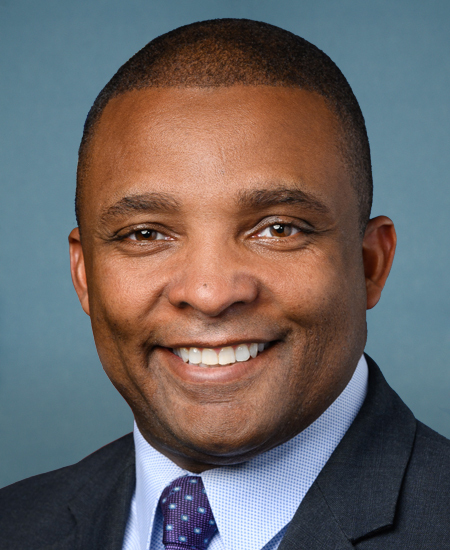
Rep. Donald G. Davis
Sponsored bills
Maddy summaryThe Federal Prisons Accountability Act of 2023 requires the President to appoint the Director of the Bureau of Prisons with Senate confirmation, replacing the current system where the Director is appointed directly by the Attorney General. It also establishes a 10-year term limit for the Director, though the current Director may continue serving for up to three months after the bill's enactment. This change directly affects the leadership structure of the Bureau of Prisons, which oversees over 176,000 federal inmates across 122 facilities and has a budget exceeding $7 billion annually. The bill aims to increase oversight of this major Department of Justice component by aligning its leadership appointment process with other senior Justice Department officials.
Maddy summaryThe Protecting Veteran Community Care Act expands access to mental health and substance-use services through the Veterans Community Care Program for veterans who cannot get timely care in VA residential treatment facilities. It requires community providers to meet state licensing and accreditation standards and prohibits the VA from denying community care solely because community providers cannot meet the same wait time standards as VA facilities. The bill also mandates the VA to track and report on requests for mental health care, including approvals, denials, and appeals. This applies directly to veterans facing delays in accessing VA residential mental health programs.
Maddy summaryHR 4070, the Disaster Mitigation and Tax Parity Act of 2023, excludes certain payments received from state disaster mitigation programs from taxable income. It directly affects homeowners who get funds from state or state-regulated programs to make property improvements specifically designed to reduce damage from windstorms, earthquakes, or wildfires (like installing fire-resistant roofing or seismic upgrades). The bill adds a new tax exclusion in the Internal Revenue Code, meaning these qualified mitigation payments won't be counted as gross income for tax purposes. This change applies to payments made after December 31, 2020, with options for retroactive tax filings.
This bill includes phosphate and potash on the Department of the Interior's final list of critical minerals. (Under current law, Interior and other departments are required to conduct a variety of efforts to ensure a secure and reliable supply chain of critical minerals.) Interior must evaluate current policies relating to permitting and leasing of projects to develop critical minerals and issue recommendations to Congress to support domestic production of such commodities.
Maddy summaryThe Telehealth Expansion Act of 2023 modifies the Internal Revenue Code to require health insurance plans to cover telehealth services without applying deductibles. It directly affects high deductible health plans (HDHPs) and their enrollees, ensuring telehealth visits aren’t counted toward annual deductibles. The key provision creates a "safe harbor" (Section 223(c)(2)(E)) so plans won’t lose HDHP status for excluding telehealth deductibles. This change applies immediately upon enactment and affects all plans offering telehealth services. It does not create new funding or services but adjusts tax code requirements for existing coverage.
Maddy summaryHRES 499 is a symbolic House resolution expressing support for designating June 12, 2023, as "Women Veterans Appreciation Day." It honors women veterans' service throughout U.S. military history, highlighting their current representation in the armed forces (17% active duty as of 2021) and their growing numbers in the veteran population. The resolution does not create new policies or funding but formally recognizes women veterans' contributions through a commemorative designation. This is a procedural resolution with no binding legal effect, solely serving to acknowledge their service.
This resolution expresses support for keeping AM radios in cars. (Several car manufacturers announced plans to remove AM radio options from some or all of their models.)
Maddy summaryHR 3956, the Veterans Protection from Fraud Act, amends federal criminal law to increase penalties for fraud committed against veterans. It directly affects veterans (defined under Title 38) of any age by adding them to a list of protected groups eligible for enhanced penalties under existing fraud statutes. The key provision modifies Section 2326(2) of Title 18 to include "targeted veterans" as a category subject to stricter sentencing when fraud is specifically directed at them. This change strengthens existing penalties without creating new crimes, making fraud against veterans a more severe offense under current federal law.
Maddy summaryThe Neighborhood Homes Investment Act creates a new tax credit for developers who rehabilitate or build affordable homes in distressed communities. The credit is calculated based on the difference between rehabilitation costs and the sale price, with homes required to be sold at affordable prices to qualified homeowners with incomes up to 140% of the local median family income. The bill targets specific "qualified census tracts" defined by high poverty rates, low homeownership, and below-average home values. Developers must ensure homes are sold to qualified homeowners who use them as primary residences for at least five years, with additional safeguards to prevent program abuse and ensure fair housing practices.