

Maddy summaryThe Disaster Loan Accountability and Reform Act (DLARA) requires the Small Business Administration (SBA) to improve transparency and accountability for disaster loans. It mandates monthly reports detailing loan funding status, new budget requests with historical cost comparisons, and strict limits on loan obligations when funds fall below 10% of a 10-year average. The bill also requires GAO and SBA Inspector General reviews of funding shortfalls, cost impacts of recent policy changes, and enhanced forecasting for disaster loan budgets. These provisions directly affect the SBA’s operations and its reporting to Congress, aiming to prevent future funding crises through better data and oversight.
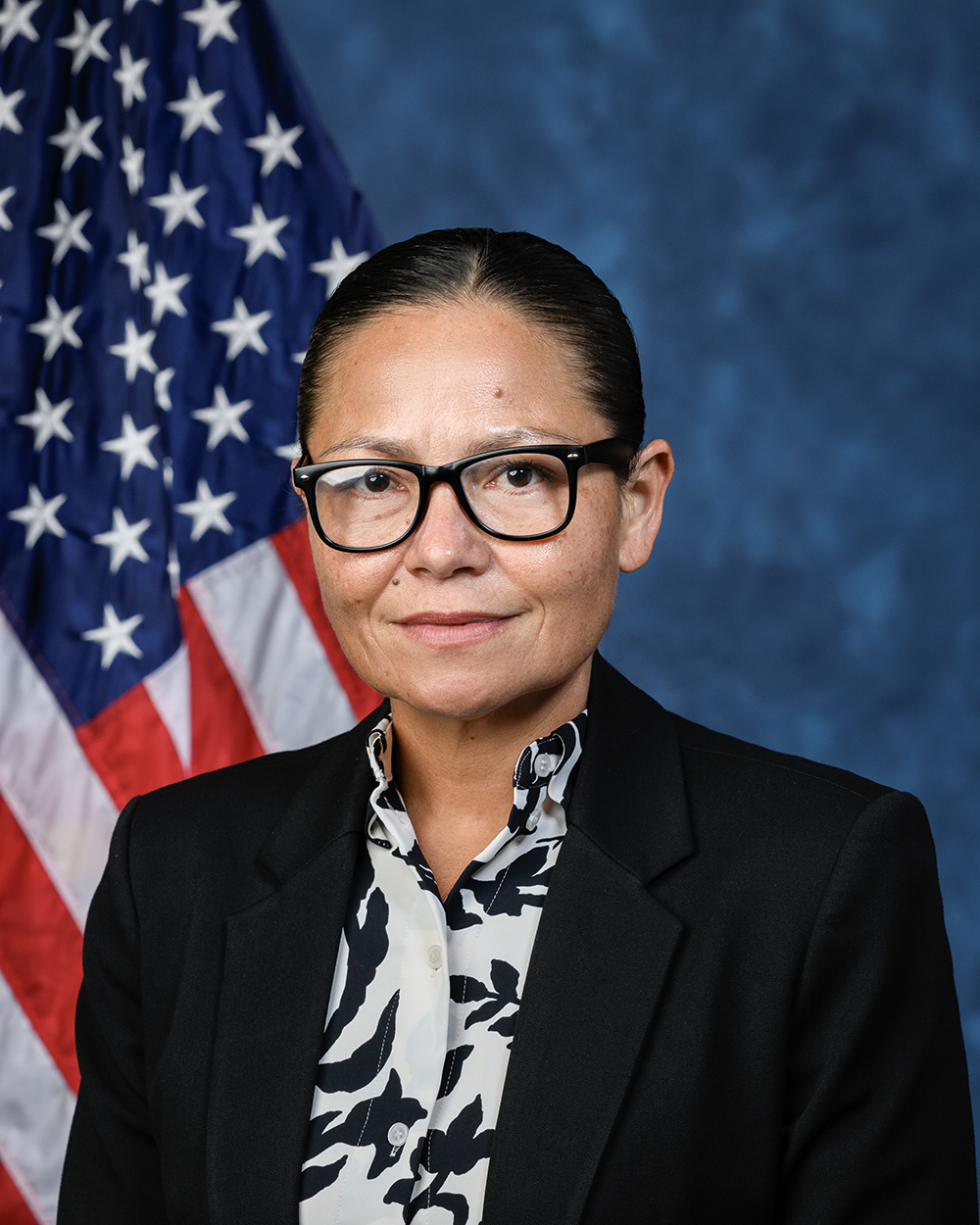
Rep. Kimberlyn King-Hinds
Sponsored bills
Maddy summaryThe TSP Modernization Act allows individuals to electronically transfer money from their Thrift Savings Fund accounts to qualified retirement plans at brokerage firms, a change that takes effect one year after the law is passed. To initiate this transfer, account holders must provide the necessary information to the Federal Retirement Thrith Investment Board. Additionally, the bill requires the board to submit a report to Congress one year after enactment detailing how the electronic transfer process was implemented.
Maddy summaryHR 3429 establishes a formal US-Japan-ROK Inter-Parliamentary Dialogue to deepen trilateral cooperation. It creates a US delegation of up to 8 Congress members (2 each from House/Senate leadership, with committee requirements) to meet annually with Japanese and South Korean legislators. The bill mandates annual reports to the Foreign Affairs and Foreign Relations committees and requires the delegation to rotate leadership between House and Senate every two years. This legislation directly affects US congressional members appointed to the delegation and provides a structured mechanism for ongoing policy coordination among the three nations.
Maddy summaryThis bill increases monthly disability compensation for veterans eligible for aid and attendance by adding a $833.33 supplemental payment, effective December 2026. It also creates an automatic adjustment for dependency and indemnity compensation (DIC) payments, tying them to Social Security benefit increases plus an additional 1%, for up to five years starting December 2026. Additionally, it temporarily allows the VA to collect fees for certain housing loans from veterans with a 70% or lower disability rating (2025-2035), effective August 2026. These changes directly affect veterans receiving disability compensation, surviving family members receiving DIC, and veterans applying for VA-guaranteed housing loans.
Maddy summaryThis resolution honors the 80th anniversary of diplomatic relations between the United States and the Philippines, which began on July 4, 1946. It formally recognizes the historical contributions of Filipino Americans and Filipino servicemembers, including their roles during World War II and in modern healthcare and business sectors. The document reaffirms the mutual defense treaty between the two nations and expresses support for strengthening economic and security cooperation in the Indo-Pacific region. As a non-binding statement of intent, it does not create new laws or funding but encourages the public and government to celebrate this milestone through appropriate programs.
Maddy summaryThe Smithsonian American Women’s History Museum Act authorizes the creation of a new Smithsonian museum dedicated to women’s history, to be located within the National Mall Reserve in Washington, D.C. If the site is managed by another federal agency, the bill requires that agency to transfer the land after notifying Congress and relevant committees. The museum must ensure exhibits and programs accurately represent diverse women’s experiences by consulting a broad range of experts and community voices. The Smithsonian will submit biennial reports to Congress detailing how the museum meets these representation standards.
Maddy summaryThe Northern Mariana Islands Workforce Improvement Act modifies immigration rules to allow certain long-term workers to stay longer in the region. Specifically, it permits aliens who began working there in 2015 and returned in two subsequent years between 2016 and 2019 to receive three-year work permits instead of the standard one-year limit. These extended permits can be renewed for additional three-year periods, but they still count toward the annual cap on foreign workers. The changes apply to the Commonwealth of the Northern Mariana Islands and take effect as if included in a previous law from 2018.
Maddy summaryThe Investing in All of America Act of 2025 amends the Small Business Investment Act of 1958 to adjust leverage rules for Small Business Investment Companies (SBICs), which provide capital to small businesses. It lowers the maximum allowable leverage ratio from 300% to 200% and expands eligible investments to include companies in rural areas, critical technology sectors, and small manufacturers. The bill caps excluded leverage at $125 million or 50% of a company’s private capital, whichever is lower, and requires annual inflation adjustments to these dollar amounts. These changes directly affect SBICs, private investment firms that support small business growth nationwide.
Maddy summaryThe BEACON Act of 2026 establishes two grant programs to improve treatment for veterans with chronic mild traumatic brain injury (mTBI). It authorizes $30 million over three years for grants to nonprofits, academic institutions, and health providers to develop and test non-drug neurorehabilitation approaches, focusing on mental health outcomes, suicide risk reduction, and long-term recovery. The bill requires grantees to prioritize patient-centered care, conduct clinical studies, and partner with VA facilities, with each grant capped at $5 million annually. A separate $10 million annual program funds independent research on TBI treatments, requiring third-party analysis and annual reports to Congress. The pilot programs expire after three years, with evaluations to determine future expansion.
Maddy summaryHR 6652, the "U.S. Vets of the FAS Act," requires the Department of Veterans Affairs (VA) to provide telehealth services and mail-order pharmacy deliveries to veterans residing in the Freely Associated States (FAS) - which include the Marshall Islands, Micronesia, and Palau. The bill mandates the VA to establish agreements with FAS governments within one year of enactment and begin offering these services within the same timeframe. It also modifies travel payment rules to require VA to cover beneficiary travel costs starting one year after enactment. The VA must report quarterly on implementation progress and costs to Congress until agreements are finalized and services launched. This bill directly affects veterans in FAS territories and VA operations related to their healthcare access.