

Maddy summaryHR 4591, the Habitat Enhancement Now Act, creates two federal grant programs to boost waterfowl populations. It provides $3.5 million annually (2026-2030) for grants to states, tribes, nonprofits, or individuals to install nesting structures (like hen houses) in the Prairie Pothole Region to improve duck nest success, and to establish nesting cover, brood ponds, and incentivize private landowners in California to enhance breeding habitat for mallards and gadwalls. The bill directly affects landowners who participate in the California program and conservation entities implementing both programs. Key mechanisms include competitive grants for specific habitat actions proven to increase nest success, based on scientific findings about declining duck populations. The funding is explicitly allocated for these targeted habitat management activities.
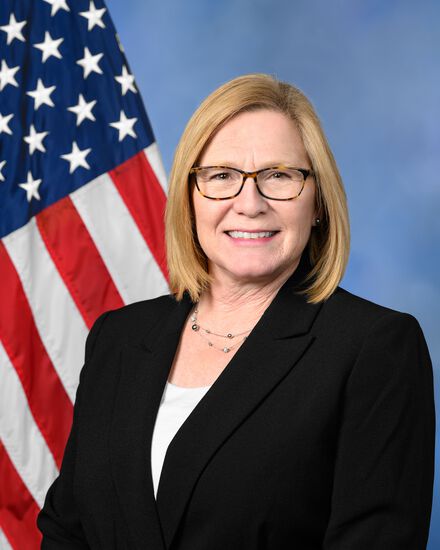
Rep. Michelle Fischbach
Sponsored bills
Maddy summaryHRES 589 requires the U.S. Attorney General to publicly release, within 30 days of enactment, searchable and downloadable documents related to the Jeffrey Epstein investigation - including DOJ communications, case files (like *United States v. Maxwell*), and materials about Epstein’s detention or death. It mandates the release of all such records unless specific, limited exceptions apply (e.g., to protect victims’ privacy, prevent child exploitation, or safeguard ongoing investigations). The resolution prohibits withholding documents solely due to embarrassment, reputational harm, or political sensitivity to officials or public figures. It also requires a detailed report to Congress within 15 days, listing all released materials, redactions, and unclassified summaries for any withheld classified information.
Maddy summaryHR 1919, the "Anti-CBDC Surveillance State Act," prohibits the Federal Reserve from developing, testing, or issuing any central bank digital currency (CBDC) or similar digital assets. It specifically bans the Fed from offering direct financial products to individuals, maintaining individual accounts, or issuing CBDCs directly or indirectly through intermediaries like banks. The bill also blocks the Fed from using any digital asset for monetary policy and clarifies that physical currency's privacy protections remain intact. This policy directly affects the Federal Reserve System's ability to create or manage digital monetary tools.
Maddy summaryHR 4382 authorizes the U.S. Mint to produce commemorative coins for the 2028 Los Angeles Olympics/Paralympics and 2034 Salt Lake City Winter Olympics/Paralympics. It specifies gold, silver, and half-dollar coin designs with defined mintage limits (e.g., up to 100,000 $5 gold coins for each event), all bearing inscriptions like "2028" or "2034" and standard coin features. A surcharge ($5-$50 per coin) is added to sales, with all funds directed to the respective Olympic committees to support event hosting and legacy programs like youth sports. The bill ensures no net cost to the government by requiring surcharge revenues to cover all design, production, and marketing expenses before funds are disbursed.
Treat and Reduce Obesity Act of 2025 This bill expands Medicare coverage of intensive behavioral therapy for obesity. Specifically, the bill allows coverage for therapy that is provided by (1) a physician who is not a primary care physician; or (2) other health care providers (e.g., physician assistants and nurse practitioners) and approved counseling programs, if provided upon a referral from, and in coordination with, a physician or primary care practitioner. Currently, such therapy is covered only if provided by a primary care practitioner. The bill also allows coverage under Medicare's prescription drug benefit of drugs used for the treatment of obesity or for weight loss management for individuals who are overweight.
Maddy summaryThe CONNECT for Health Act of 2025 expands Medicare telehealth coverage by removing geographic restrictions that limited where patients could receive care, expanding the types of health care providers who can offer telehealth services, and eliminating the requirement for an in-person visit before receiving telemental health services. The bill includes specific provisions to support telehealth use for Native American health facilities, rural health clinics, and Federally Qualified Health Centers. It requires the Centers for Medicare & Medicaid Services to collect and publish data on telehealth usage and impacts, and to develop resources to improve accessibility for people with disabilities and limited English proficiency. Program integrity measures are added to monitor telehealth billing practices and prevent fraud while maintaining coverage for telehealth services during public health emergencies.
Maddy summaryHRES 519 is a symbolic House resolution condemning the June 14, 2025, attacks in Brooklyn Park and Champlin, Minnesota, where a gunman critically injured State Senator John Hoffman and his wife, and killed State House Speaker Emerita Melissa Hortman and her husband. It honors the victims, commends law enforcement for preventing further harm, and calls on elected officials and the public to reject political violence. The resolution explicitly urges community leaders to publicly denounce such violence and reaffirms commitment to peaceful democratic engagement. As a non-binding statement, it does not create new laws or policies but formally expresses the House’s stance against political violence.
Maddy summaryHR 649, the Whole Milk for Healthy Kids Act of 2025, amends the National School Lunch Act to allow schools participating in the program to offer students both organic and non-organic whole milk, in addition to reduced-fat, low-fat, and fat-free options. Key provisions include clarifying that milk fat in whole milk should not count toward saturated fat limits for meal compliance, prohibiting schools from purchasing milk from Chinese state-owned enterprises, and ensuring schools cannot be barred from offering the full range of milk types listed. The bill directly affects public and private schools serving the National School Lunch Program by expanding their milk options for students. It focuses on concrete policy changes to dietary offerings and sourcing restrictions within the school nutrition program.
Maddy summaryHRES 458 is a procedural resolution that allows the House of Representatives to debate and vote on four separate bills. It sets specific rules for consideration, including time limits for debate and amendments, for bills covering opioid treatment programs (H.R. 2483), relocating Small Business Administration offices in sanctuary jurisdictions (H.R. 2931), requiring citizenship documentation for SBA loans (H.R. 2966), and limiting small business lending companies (H.R. 2987). The resolution itself does not change policy but streamlines the legislative process for these bills. This procedural step enables the House to advance these measures through standard committee and floor procedures.
Maddy summaryThis bill (HR 3586) modifies federal transit funding rules to allow transit agencies to make advance payments for new buses without requiring manufacturers to provide a performance bond. It sets strict limits: agencies may pay no more than 20% of the total bus purchase price upfront, and must have a signed contract with the manufacturer, preaward approval, and meet other existing requirements. The bill directly affects transit agencies receiving federal funds under Title 49 for bus purchases. It changes how agencies can structure payments but does not alter funding amounts or create new financial obligations. The key change is removing the performance bond requirement while imposing a 20% cap on advance payments.