

Maddy summaryHR 6255, the Affordable Insulin Now Act, requires health insurance plans (including employer-sponsored and individual plans) to cover specific insulin products starting in 2026. It caps out-of-pocket costs for these insulin products at $35 per 30-day supply or 25% of the negotiated price, whichever is lower, with no deductibles applied. The bill defines "selected insulin products" to include at least one of each dosage form (like vials or pumps) and type (such as rapid-acting or long-acting) available from the plan. This directly affects people with diabetes who rely on insulin, ensuring more predictable and affordable access to essential medications under their health coverage.
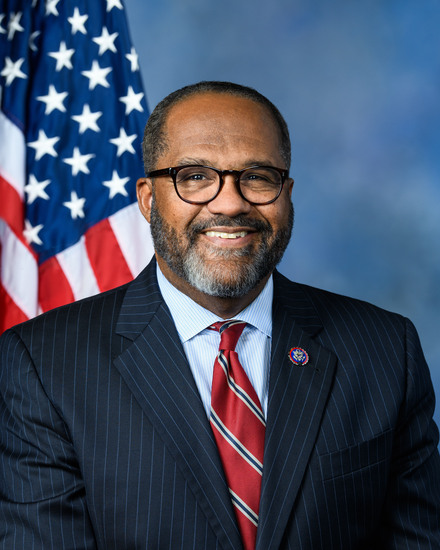
Rep. Troy A. Carter
Sponsored bills
Maddy summaryHRES 897 is a non-binding resolution expressing the House's support for foster youth rights, not a law creating new requirements. It formally declares that foster youth should have 10 specific rights, including staying in their original school, accessing health services, freedom from abuse, maintaining sibling contact, and regular caseworker communication. The resolution cites studies showing foster youth face higher risks of educational gaps, maltreatment, and racial disparities in the system. It does not alter existing laws but serves as a symbolic statement of congressional support based on research data.
Maddy summaryHRES 899 is a symbolic House resolution recognizing the Transgender Day of Remembrance and memorializing transgender people killed by violence in 2024-2025. It directly affects transgender individuals, particularly transgender women of color, by acknowledging the epidemic of violence against them - citing 27 U.S. victims (including names like Rick Alastor Newman and Kyla Jane Walker) and 241 global cases in 2025. The resolution’s key provisions include formally recognizing the violence epidemic, memorializing specific lives lost, and affirming the need for solutions to protect transgender people. It does not create new laws but expresses congressional support for addressing systemic violence and discrimination faced by transgender communities.
Maddy summaryThe BOOST Act of 2025 establishes a new monthly $250 payment program for qualifying adults aged 19 to 67 who are U.S. citizens, nationals, or certain qualified immigrants residing in the U.S. These payments, adjusted annually for inflation, are funded by a new 2.5% supplemental tax on adjusted gross income exceeding $60,000 for joint filers (or $30,000 for individuals). The tax applies to all taxable income above these thresholds with no deductions or credits allowed, and the payments are excluded from income calculations for other federal benefits. The Social Security Administration’s new Office of Universal Adult Assistance will administer the program, including eligibility verification and annual reporting to Congress.
Maddy summaryThe Kidney Care Access Protection Act (HR 6214) improves access to innovative kidney treatments for Medicare beneficiaries with end-stage renal disease. It extends transitional payment adjustments for new renal dialysis drugs and devices for at least three years, then establishes permanent payment adjustments based on actual utilization and costs. The bill also expands Medicare's annual wellness benefit to include kidney disease screening and increases access to kidney disease education services through renal dialysis facilities. These changes apply to Medicare beneficiaries, renal dialysis facilities, and healthcare providers, with key provisions effective January 1, 2026.
Maddy summaryThis bill establishes a federal grant program to improve diabetes care in underserved urban and rural communities. It authorizes the Health Secretary to fund eligible providers - including community health centers, rural clinics, and tribal health departments - to deliver comprehensive services like routine diabetes treatment, prevention education, eye/foot care, and kidney disease management. Grants require providers to offer culturally appropriate care in local languages and conduct community outreach. Funding must be distributed equitably between urban and rural areas, with authorization for fiscal years 2026-2031. The program directly supports patients in medically underserved communities facing barriers to diabetes care.
Maddy summaryHR 6181, the John Lewis Every Child Deserves a Family Act, prohibits child welfare agencies receiving federal funds from discriminating against children, youth, or prospective foster/adoptive parents based on religion, sex (including sexual orientation and gender identity), or marital status. It directly affects LGBTQ youth in foster care - overrepresented at 30% of the system - who face higher risks of trauma, group home placements, and suicide attempts compared to non-LGBTQ peers. Key provisions require agencies to collect data on sexual orientation and gender identity, establish a National Resource Center for LGBTQ youth support, provide cultural competency training, and eliminate discriminatory practices. The law aims to improve safety, permanency, and placement stability by expanding access to family-based care and ensuring equitable services for all children in the system.
Maddy summaryHR 6137 would create a new separate job code for "direct support professionals" (DSPs) within the federal Standard Occupational Classification system. This change aims to better recognize DSPs - who provide daily support for people with intellectual and developmental disabilities (like helping with daily living, community participation, and goal-setting) - as distinct from other roles like home health aides. The bill requires the Office of Management and Budget to consider this revision during the next system update, without authorizing new funding. It addresses data gaps caused by high turnover rates (39% nationally) in DSP hiring and retention.
Maddy summaryThe Protect American Fisheries Act of 2025 amends the Magnuson-Stevens Act to expand the definition of "fishery resource disaster" to include "economic cause." This means U.S. fisheries affected by foreign activities - such as illegal fishing, predatory pricing, or harmful subsidies that distort markets or disrupt sustainable harvests - can now qualify for disaster assistance. The bill requires documentation of how foreign actors' actions specifically harm U.S. fishing communities' operational or economic viability. It directly affects U.S. commercial and recreational fisheries facing market disruptions from foreign entities, enabling them to access federal aid previously limited to natural or anthropogenic disasters.
Maddy summaryThe Global Respect Act (HR 6151) requires the U.S. President to publicly list foreign officials responsible for severe human rights violations against LGBTQI individuals, including torture, prolonged detention, or violence based on sexual orientation or gender identity. It mandates denying visas and entry to listed individuals and requires annual reports on the list's updates and impacts. The bill also directs the State Department to track global violence against LGBTQI people and update annual human rights reports to include discrimination based on sexual orientation or gender identity. These provisions directly affect foreign government officials and entities implicated in such abuses, aiming to increase accountability through U.S. visa restrictions.