

Maddy summaryHRES 856 is a non-binding resolution expressing the House of Representatives' view that the U.S. Department of Agriculture (USDA) should use its existing contingency funds and interchange authority to fund the Supplemental Nutrition Assistance Program (SNAP) for November 2025. The resolution cites that the USDA holds over $5 billion in contingency funds set aside for emergencies and has legal authority under the Department of Agriculture Organic Act to transfer funds between nutrition programs to maintain SNAP benefits. This would directly support approximately 42 million people relying on SNAP, including 16 million children, 8 million seniors, 4 million people with disabilities, and 1.2 million veterans, preventing disruption during a potential funding gap. The resolution does not create new law but urges the administration to use existing resources to ensure continued food assistance.
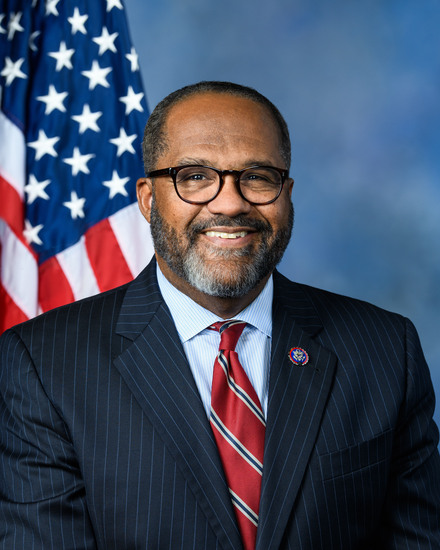
Rep. Troy A. Carter
Sponsored bills
Maddy summaryThis bill establishes comprehensive name, image, and likeness (NIL) rights for college athletes, prohibiting institutions from restricting athletes' ability to earn compensation for their personal branding or taking adverse action against them for doing so. It requires transparent NIL agreements for compensation over $600, including specific details about services, compensation amounts, and termination terms. The bill also amends immigration laws to better accommodate international student athletes participating in college sports and updates regulations governing sports agents. Additionally, it establishes a Commission to study college athletics governance, focusing on collective bargaining, revenue sharing, and Title IX compliance, while expanding disclosure requirements for colleges regarding athletics revenue and expenses.
Maddy summaryHR 5804, the PRODUCE Act, extends and increases funding for the USDA's Office of Urban Agriculture and Innovative Production. It reauthorizes the office through 2030 (previously 2023) and doubles its annual funding from $25 million to $50 million for fiscal years 2025-2030. This bill directly affects urban communities by supporting existing programs that expand access to fresh, locally grown food through community gardens, urban farms, and innovative agricultural initiatives. The key change is the increased, long-term funding to strengthen urban agriculture efforts in cities nationwide.
Maddy summaryHR 5716, the FARM SAFE Act, ensures that USDA employees administering key agricultural disaster programs cannot be furloughed or laid off during government shutdowns. It directly affects USDA staff working on programs like crop insurance, livestock aid, and other federal disaster assistance authorized under the Agricultural Credit Act of 1978 and the Agricultural Act of 2014. The bill requires these employees to be treated as "excepted" under federal law during funding gaps, guaranteeing program continuity without requiring new appropriations. This provides immediate stability for farmers relying on disaster relief during federal budget disruptions.
Maddy summaryHR 5541, the Every Kid Outdoors Reauthorization Act, expands eligibility for the program to include fifth graders (ages 10-11) and home-schooled learners in that age range, replacing the previous requirement for 10-year-olds. The bill authorizes $25 million annually for the National Park Service to support program operations, promote the initiative to schools and families, provide transportation assistance to financially needy schools and organizations, and conduct targeted outreach to underserved communities and children with disabilities. This reauthorization directly affects fifth-grade students and home-schooled learners aged 10-11, as well as schools and youth organizations participating in the program. The key change is broadening the age group served while maintaining the program's funding structure for operational support and equitable access.
Maddy summaryThis bill creates a pilot program providing development loans to beginning farmers and ranchers for long-term capital investments that benefit their operations for more than one year, such as equipment, soil health improvements, or business setup. Loans are capped at $100,000 with interest rates of 0-3% and repayment terms of 3-10 years, requiring borrowers to complete training on farm management, bookkeeping, and risk planning. The program aims to address current limitations where beginning farmers face under-investment due to existing annual operating loans. The Secretary of Agriculture must evaluate the pilot and report biennially to Congress on its outcomes.
Give Kids a Chance Act of 2025 This bill expands the Food and Drug Administration’s (FDA’s) authority with respect to research on rare pediatric diseases, including by permitting the FDA to take enforcement action against drug sponsors that fail to satisfy pediatric study requirements and by reauthorizing programs that support pediatric research. Specifically, the bill modifies requirements relating to molecularly targeted pediatric cancer investigations to permit research on new drugs in combination with active ingredients that have already been approved, provided certain conditions are met; permits the FDA to take enforcement action against drug sponsors that fail to comply with pediatric study requirements, if such sponsors demonstrated a lack of due diligence in satisfying the requirement; renews the FDA’s authority to award priority review vouchers to sponsors of new products intended to treat rare pediatric diseases through September 30, 2029; and reauthorizes through FY2027 certain funding for the National Institutes of Health to support priority pediatric research. The bill also provides statutory authority for the FDA’s interpretation of the orphan drug exclusivity period. The bill specifies, consistent with FDA regulations, that the seven-year market exclusivity period for drugs for rare diseases or conditions (i.e., orphan drugs) prohibits the approval of the same drug for the same approved use or indication with respect to the disease or condition. (In Catalyst Pharmaceuticals, Inc. v. Becerra , a court rejected the FDA’s interpretation and held that orphan drug exclusivity extends to all uses or indications for the disease or condition.)
Maddy summaryThis bill ensures FEMA can continue disaster relief payments during government funding gaps. It requires the agency to keep using existing Disaster Relief Fund money for active disaster assistance, emergency aid, and recovery programs - even if Congress hasn’t passed new funding. Essential staff handling these disbursements are protected from furloughs during such gaps, treated as "excepted" under federal law. The bill directly affects disaster victims receiving aid and FEMA employees managing relief operations during budget lapses.
Maddy summaryHR 5566, the Water Infrastructure Resilience and Sustainability Act, extends deadlines for three existing federal water infrastructure programs by five years. It amends the Clean Water Act to extend the deadline for the Clean Water Infrastructure Resiliency and Sustainability Program from 2026 to 2031, and updates the Safe Drinking Water Act to extend deadlines for both the general Drinking Water System Infrastructure Program and the Midsize/Large Drinking Water System Program from 2026 to 2031. These changes directly affect state and local governments administering these programs, giving them more time to complete eligible projects. The bill makes no new funding commitments or policy changes - only adjusts the timeline for existing program requirements.
Maddy summaryThis bill establishes a federal program to help low-income households pay for drinking water and wastewater services. It provides $500 million annually (2026-2030) in grants to states and tribes that already administer energy assistance programs, allowing them to cover past-due bills or other costs for households meeting specific income criteria (e.g., receiving certain federal benefits or earning ≤150% of the poverty level). The program prohibits using these funds to replace existing assistance and requires technical help to streamline eligibility. It directly affects low-income households in participating states and tribes, particularly those facing water affordability challenges.